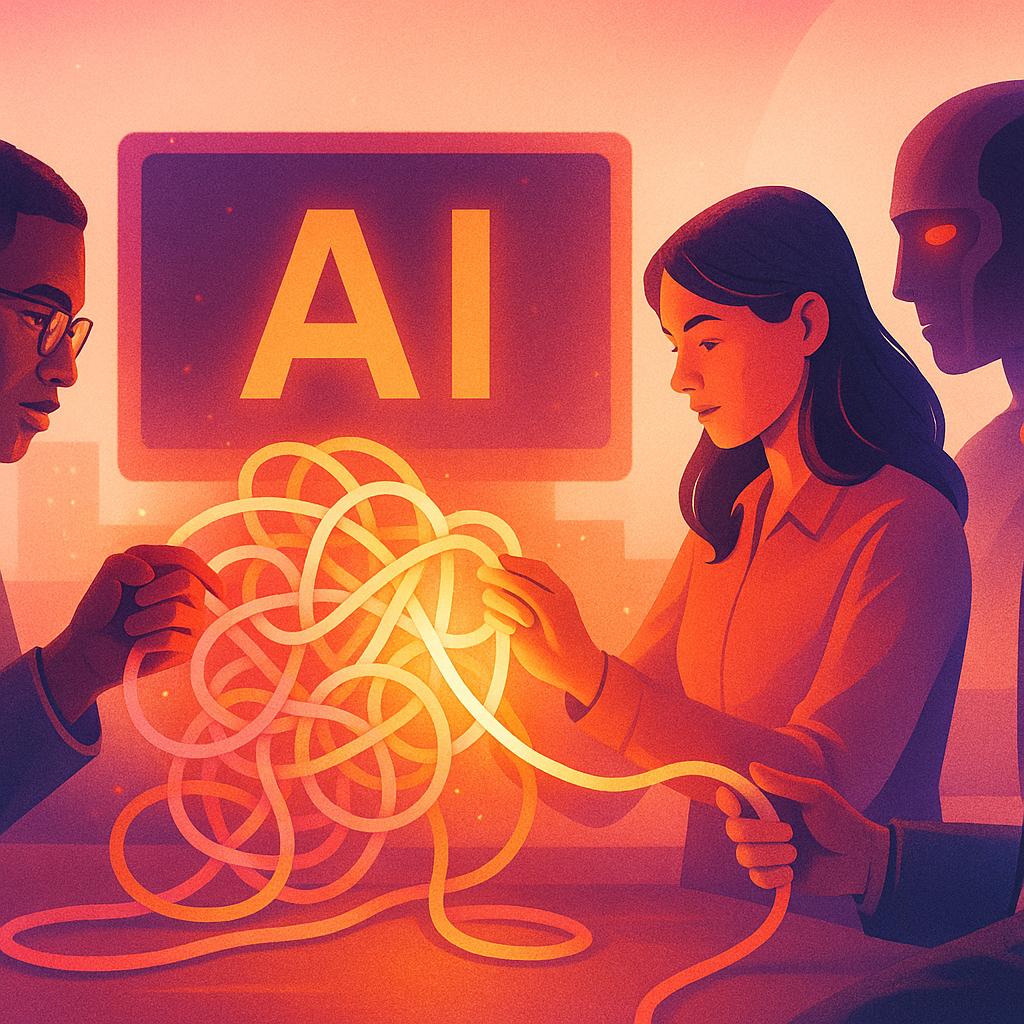



The OpenAI lawsuit escalated by Elon Musk, is nothing less than a thrilling tech saga permeating the industry with whiffs of rivalry, competition, and an underlying quest for AI supremacy. Prominent tech leaders are entangled in the narrative that begins with Tesla’s CEO suing OpenAI, a well-known Artificial Intelligence research lab on grounds of breaking their founding principles. The plot thickens as Musk brings new defendants into the fray, including the tech magnate, Microsoft and, Reid Hoffman, the LinkedIn co-founder.
The lawsuits and disputes might seem like distant news, but they have a pivotal role in shaping the consumer landscape and the broader US business environment. How, you might ask? Well, let’s delve a little deeper.
Artificial Intelligence is no longer science fiction; it has permeated our daily lives, from Google’s voice assistant to Facebook’s content suggestions, from self-driving cars to energy-efficient homes. This technological marvel illuminates countless possibilities and its effective regulation, undisrupted development, and fair use practices directly impact consumer experiences.
Our hero of the story, Elon Musk, alleges that OpenAI is trying to eliminate competitors by discouraging investors from funding competitive projects. He asserts an unfair benefit to OpenAI through Microsoft’s infrastructure, defining it as a “de facto merger”. Should Musk’s claims hold substance, it could lead to monopolistic practices in the AI market, adversely impacting consumer choice and innovation.
It’s important to acknowledge that monopolies in high-tech industries can scupper competition, stifle innovation, and result in higher costs for consumers. Consumers may find themselves limited to AI products developed by a single organization, limiting diversity, accessibility, and possibly compromising on quality and price.
Relatedly, the industry’s direction affects consumers indirectly by impacting start-ups and entrepreneurs. If investors are indeed pressured into not funding smaller, competitive AI projects, it could thwart innovation and stifle novel AI products from emerging into the market space.
Musk has roped in Microsoft in his lawsuit, alleging OpenAI’s wrongful acquisition of benefits from Microsoft. If such partnerships are formed without adequate transparency and regulation, it can set a precedent for unfair practices affecting other industries beyond AI as well. It highlights the need for clear laws for collaboration between businesses that protect interests of all parties involved, and in extension, the consumers.
In the heat of these lawsuits, the recent EU’s new AI rules were unveiled. This makes a solid argument that regulatory bodies in the US can also take the onus of introducing frameworks to prevent
monopolies, set boundaries for fair competition, and insure the consumer against any disadvantages arising from these corporate tussles.
With powerhouse businesses engaged in legal disputes and allegations, the business environment can risk becoming turbulent. Investors may become cautious, market shares may fluctuate, and government bodies may be urged to intervene, all of which can have indirect
ramifications on consumers.
Overall, as fascinated spectators watching this unfolding story, we need to comprehend that these disruptions in the AI landscape stretch far beyond the headlines. They hold the potential to mold market dynamics, influence consumer choices, shape regulatory policies, and alter the trajectory of AI advancement in more ways than we might anticipate. Will there be a happy resolution to this tech saga? Only time can tell, but till then, let’s keep a watchful eye as this gripping tale of tech power play continues.