

Well, ladies and gents, we’ve got quite the techno-telenova unfolding right before our very eyes. Remember those soap operas back in the day? Those vaporous dramas full of grand gestures and over-the-top showdowns? Yeah, well it’s time you were privy to the dazzling world of cyberpunks, tech behemoths and AI – and it’s proving to be way more engrossing than any episode of “Days of Our Lives.”
Dig the scene: Elon Musk has just lobbed a legal grenade at Apple and OpenAI over their ChatGPT iPhone deal. Musk’s assertion—Apple and OpenAI are building what he calls a “fortress” around ChatGPT, essentially stitching up the market and throwing away the key. It’s like a modern-day battle of swords and AI algorithms, only with less blood and more circuitry.
According to Musk, Apple’s posh new smart-hum-Apple Intelligence shimmies up ChatGPT as the de facto AI on iPhones. You might as well be slapping a bumper sticker on every iPhone reading “ChatGPT- or Bust!”. As for the App store? Musk’s pointing an accusatory finger, alleging it’s rigged for OpenAI as ChatGPT relishes its solo feature in the “Must-Have Apps” section.
But Musk’s tryst with ChatGPT isn’t just another salacious headline. On a broader scale, this tussle strikes at the heart of a very elemental question – Who governs AI distribution? Who calls the shots when it comes to AI’s place in our everyday devices, particularly those of the omnipresent iPhone?
Now, here’s the fun part. While Musk has been wagging fingers and slinging lawsuits, OpenAI has been honing its strategy, elbowing its way onto the most coveted smartphone on the planet. It’s not villainy, it’s Darwinian. Without distribution clout, the finest AI would crumble into tech oblivion.
The plot thickens too, with rumors wafting around that Apple might extend an invite to Google’s Gemini into its AI roster, possibly turning that beloved monopoly into a communal AI party. This isn’t about playing a blame game—it’s about the tech giants vying to lay claim to the AI user funnel.
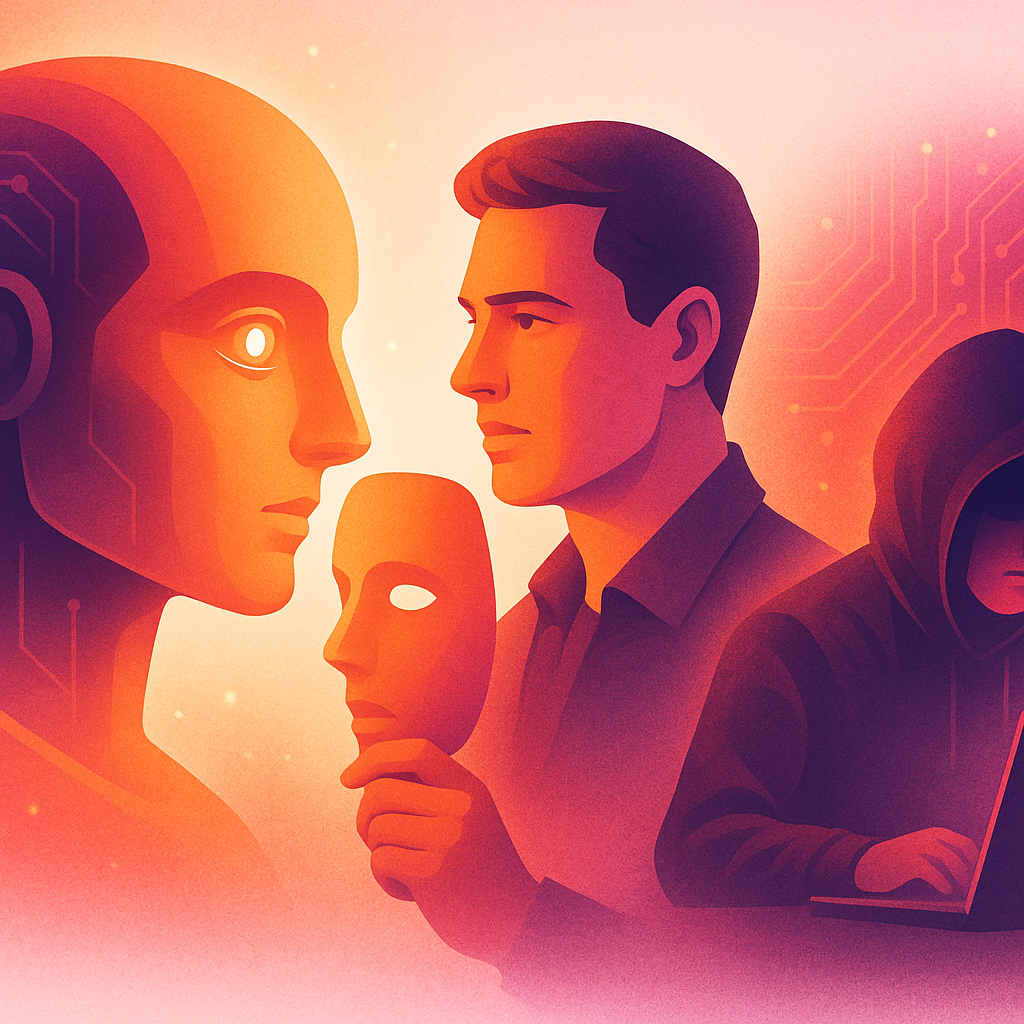
But wait, there’s a zesty B-plot to this digital drama. Picture this: YouTube has been stealthily using AI to tweak and “enhance” creator videos. Imagine peering at your finely edited YouTube video to find your skin looking uncannily smooth or your fashion choices appearing ominously sharp. Your reality doesn’t seem so, well, real anymore.
If the AI drama on the YouTube stage sounds familiar, it should. Netflix, Samsung, and Google Pixel have all earned their fair share of raised eyebrows for their “improving” of reality. Suddenly, AI isn’t just a futuristic whisper—it’s becoming the primary sculptor of our online presence while we sit passively by.
For consumers, this fancy AI play means more than just another tabloid headline. It sheds light on how AI, sneaky or not, is rapidly becoming the director of our digital lives. The way we consume information, interact on social platforms, and even perceive our reality is being subtly curated by AI.
So how should we unwrap this? Musk’s feud with Apple and OpenAI and YouTube’s unannounced AI enhancements underline the fundamental tensions between AI integration and consumer trust. And trust, my friends, is no trifling matter. It holds the key to the speed and extent to which we’ll accept and adopt AI into our lives.
As for the mega brands, the unfolding drama paints a revealing picture of the competitive landscape of the AI world. The fight for AI supremacy, as we’re seeing, is not just a matter of crafting the most fancy algorithm—it’s also about securing a spot on consumer interfaces and maintaining user trust.
As cliché as it sounds, navigating the AI realm requires a tightrope walk—apatently balancing consumer trust with technological innovation. So, as we pull out our popcorn and continue to watch this fascinating saga unfold, we must also keep abreast of the broader implications. It’s no longer just a fight for AI dominance; it’s a struggle for consumer trust and the shaping of our digital normalcy. Stay tuned, you never know what the next episode may hold.