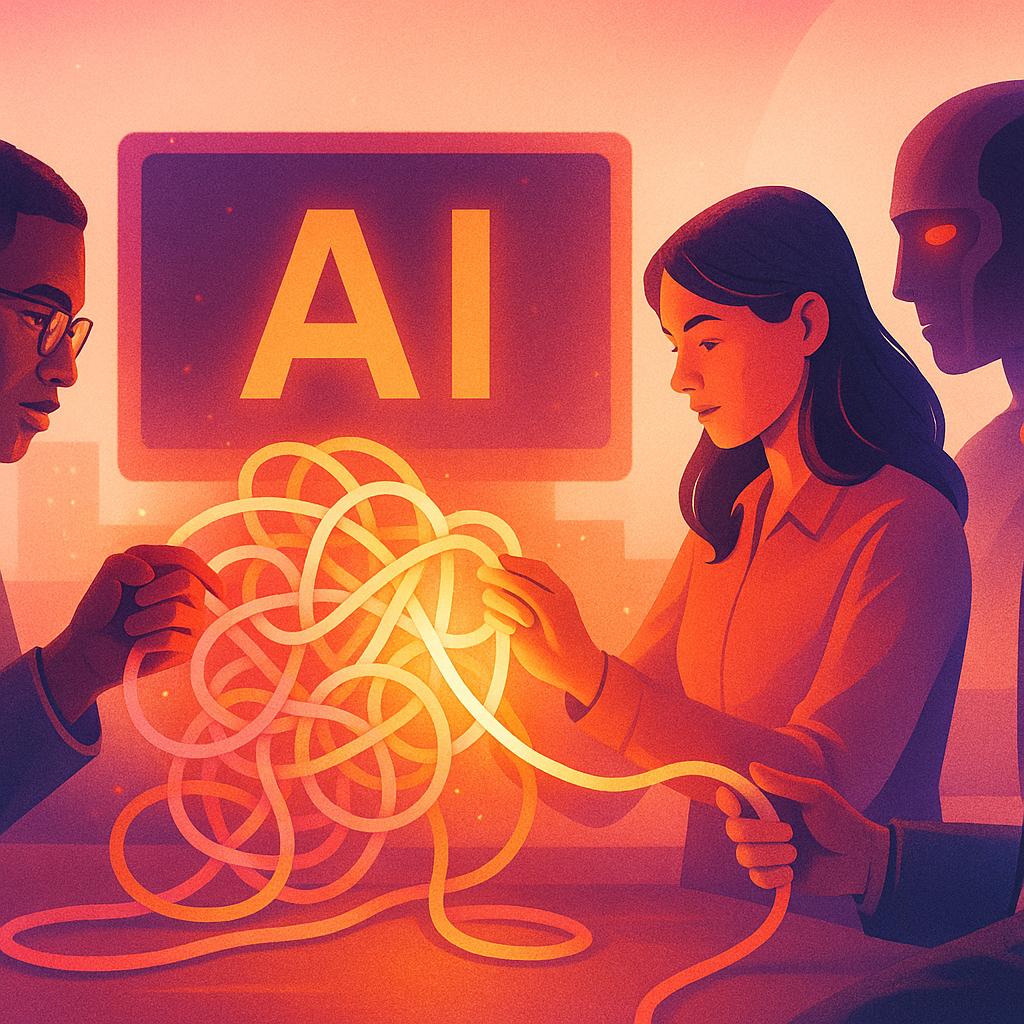



Artificial intelligence (AI) is not just a buzzword floating around tech circles anymore. It’s a force that is shaping the way we interact with technology and revolutionizing industries across the board. But as AI usage skyrockets, so does its energy consumption. This raises a critical question: How does the surge in AI demand impact the global push towards achieving net zero emissions? The implications of AI in the transition to net zero go far beyond just the tech realm; they touch upon the lives of consumers and the operations of large brands in profound ways.
In a recent webinar chaired by FT’s Climate Editor, industry experts delved into this pressing issue. Christopher d’Arcy, Managing Director Expert Services and Chief Data & AI Officer at E.On, highlighted the pivotal role that AI can play in reshaping energy management strategies. With AI’s advanced analytics and real-time decision-making capabilities, companies can optimize energy consumption, reduce waste, and enhance operational efficiency. This isn’t just good news for businesses looking to cut costs; it’s a win for the environment as well. By leveraging AI-powered solutions, companies can accelerate their journey towards achieving sustainability goals and contribute to the overarching mission of achieving net zero emissions.
Tone Langengen from the Tony Blair Institute shed light on the policy implications of integrating AI into climate and energy strategies. As governments and organizations worldwide strive to meet ambitious climate targets, AI can provide valuable insights and predictive capabilities to drive data-informed decision-making. From optimizing energy distribution networks to identifying renewable energy opportunities, AI has the potential to revolutionize the way we approach sustainability at a systemic level.
Steve Wilhite, President of Sustainability Business at Schneider Electric, emphasized the importance of collaboration and innovation in harnessing AI for sustainable practices. Large brands are increasingly recognizing the role they play in driving positive change, both for their bottom line and the planet. By investing in AI-driven solutions, companies can not only reduce their environmental footprint but also strengthen their competitive edge in a rapidly evolving marketplace.
For consumers, the advent of AI in the transition to net zero signifies a shift towards a more sustainable future. From smart home devices that optimize energy usage to AI-powered transportation solutions that reduce emissions, the impact of AI is tangible and far-reaching. As consumers become more environmentally conscious, they are actively seeking out products and services that align with their values, putting pressure on brands to adopt eco-friendly practices.
The Role of AI in the Transition to Net Zero is not just a discussion among industry experts; it’s a call to action for consumers and brands alike. As AI continues to shape our world, it’s crucial that we harness its power for good and drive meaningful change towards a greener, more sustainable future. Join the conversation and be part of this transformative journey towards a net zero world.