

Amid the flurry of headlines on the cutting-edge developments in Artificial Intelligence and Quantum computing, the recent news of a disagreement between Microsoft and OpenAI over their partnership terms jumped out. As analysts and industry watchers focus their attention on the friction between these two giants, it may seem that the mainstream consumer trends, perhaps the biggest drivers of tech innovation, are momentarily pushed aside in the spotlight. But, stay with me as we connect the dots and decode what this could possibly mean for the future of AI in a broader context.
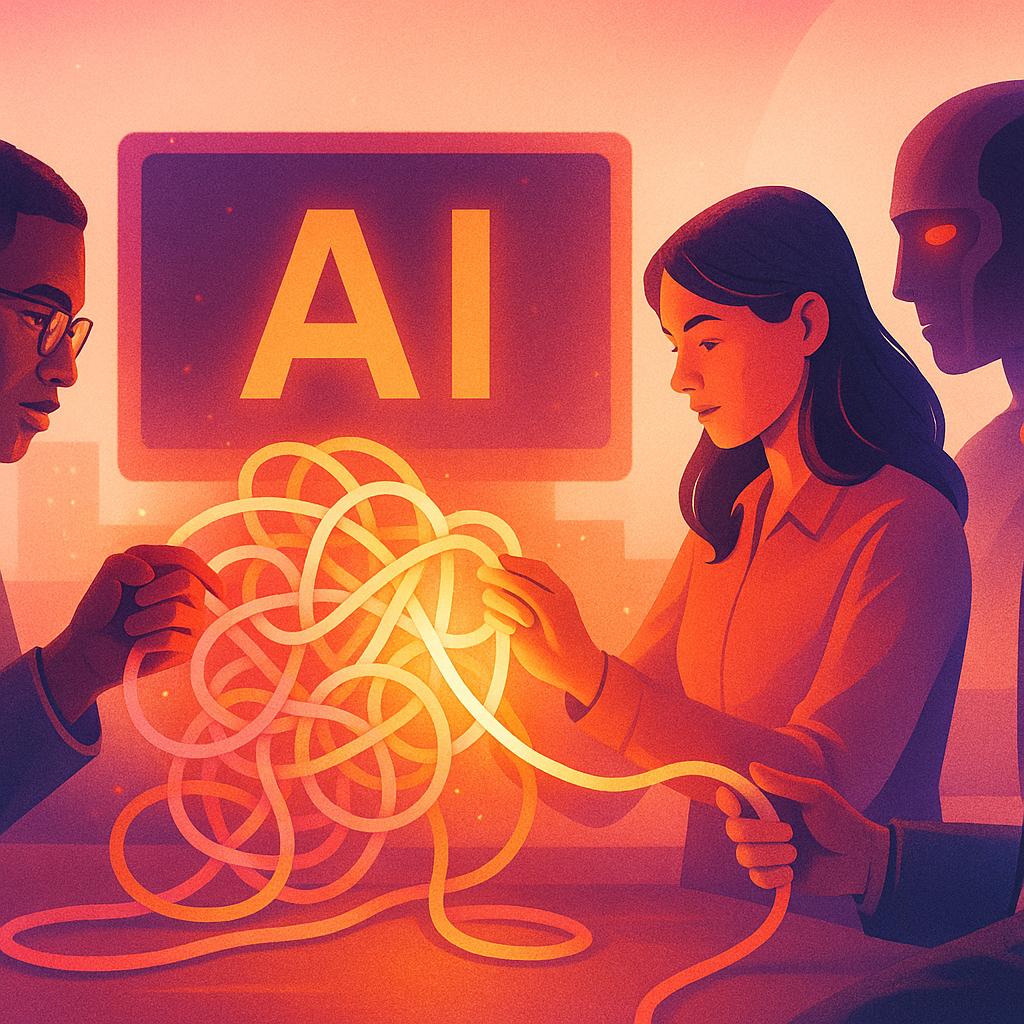
Microsoft and OpenAI, organizations at the forefront of AI research, recently sparked quite the conversation in the industry with their blockbuster partnership. However, the shadows of conflict loom as the terms of their partnership face scrutiny. Now, you may ask the question – What does this mean for the rest of us? Well, let’s untangle the implications.
On the surface, it might seem like this dispute only concerns the tech giants and their strategic alliances. In the backdrop, though, it carries the potential to shape the trajectory of AI’s future expansion. Strategic partnerships like these often drive technology adoption across sectors by pooling in resources and know-how. In this regard, the wrangle symbolizes the struggle for control, direction, and the fruits of the AI revolution.
Not too far away from this tale of giants, SandboxAQ, a startup working on the exciting intersection of Quantum computing and AI, navigates its journey under the aegis of the former Google CEO, Eric Schmidt. Despite facing difficulties in commercializing its
technology, SandboxAQ has seen tremendous growth, earning a valuation of a staggering $5.6 billion. This offers us a glimpse into the business potential held by these emerging technologies.
To put things into perspective, imagine these small and big players working on AI as the architects of a digital future where AI isn’t just a concept but a tangible, everyday reality. These are
transformative moves in technology that might someday change how you stream your favorite Netflix series, shop online, or interact with voice assistants.
Now, as mainstream consumers, it’s interesting to note that while these tech feuds and billion-dollar valuations might seem detached from our daily lives, there’s more connecting us to this than meets the eye. AI technology is deeply ingrained in our lives and
experiences. From personalized recommendations and virtual assistants to smart home devices and healthcare innovations, AI is steadily becoming the lifeblood of technology that powers consumer trends.
Furthermore, it’s the customers who write the success story of technological innovations. Tech giants and startups alike balance on the tightrope of commercial viability and cutting-edge innovation to ensure that the AI products and services they offer align with the dynamic consumer demands. Amid this constant jostling for dominance and innovation in the AI landscape, it’s the consumer who stands to gain the most. Or, to put it in perspective, we are the very individuals who get to shape the narrative and steer the course of this AI journey.
So, as we flip through the tech headlines of AI partnerships and disputes, billion-dollar valuations, and technological breakthroughs, remember, it’s not an alien world, but rather a blueprint of a thrilling future being crafted, where we play a significant role. There may be disagreements and hurdles, rocky launches, and worrisome valuation tags; but in the grand framework of things, each is merely a step towards a future that is firmly poised in our hands, a future where we all get to partake in the exhilarating journey of AI.