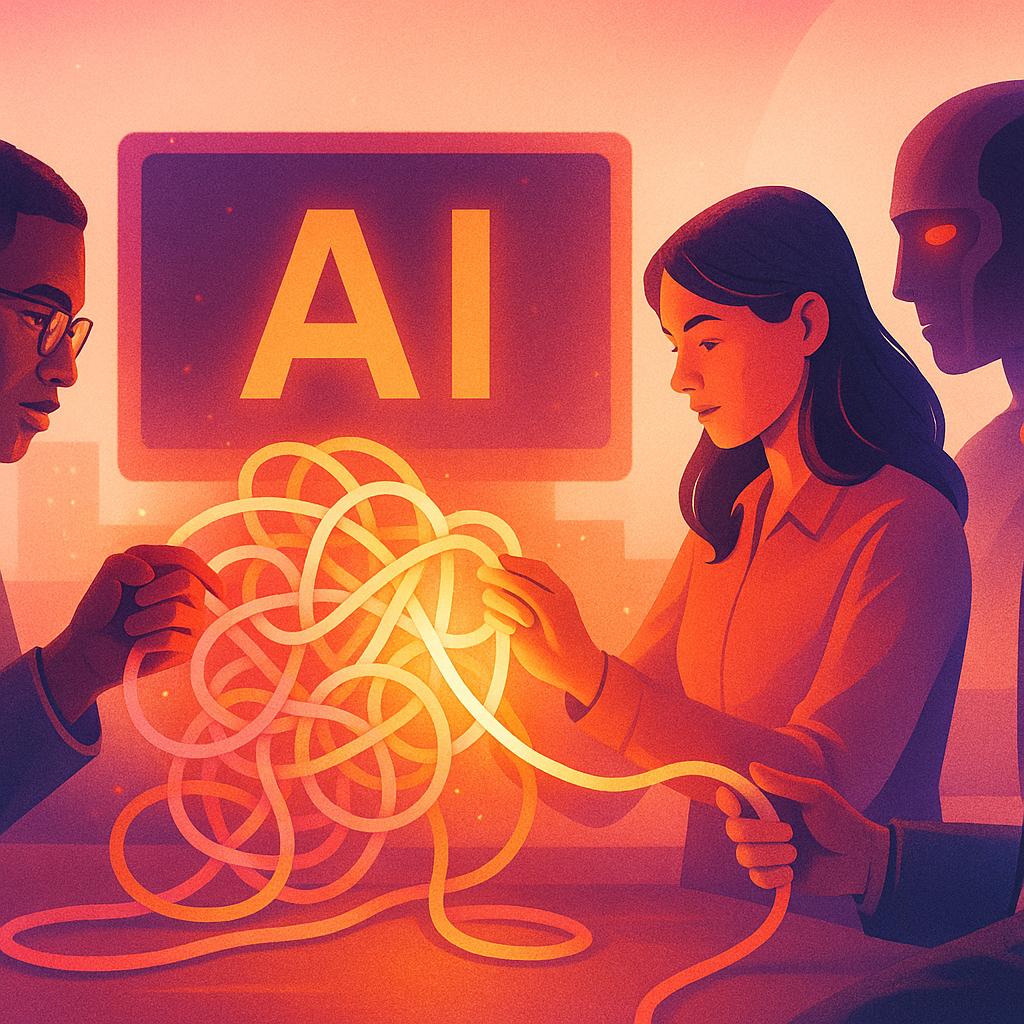



Ladies and gentlemen, if you were tuned in to the latest from the December-quarter earnings reports of tech giants Microsoft and Meta Platforms, you’d know that the buzzword on everyone’s lips is artificial intelligence. The big question lingering in the air is the uncertainty surrounding AI and its potential impact. Meta’s CEO, Mark Zuckerberg, exclaimed that the year ahead holds significant promise, hinting that the clarity on their AI endeavors will come into focus by the year’s end. Essentially, the verdict on whether Meta’s colossal investment in AI is paying off will be rendered soon.
This proclamation didn’t ruffle the feathers on Wall Street too much. Despite Meta’s optimistic revenue growth figures for the quarter, driven by robust ad expansion, there was a sense of calm among investors during after-hours trading. However, Meta’s forecasts of slower revenue growth in the upcoming quarter coupled with increased operational costs and capital expenditures did raise some eyebrows. It’s a balancing act between growth and expenditure, and investors seem willing to play the waiting game.
On the other hand, Microsoft’s earnings report painted a different picture. Its Azure cloud business, a crucial segment for the tech behemoth, didn’t quite meet the growth expectations set earlier. The CFO’s projections for the next quarter were no cause for celebration either, leading to a dip in Microsoft’s stock value post-announcement. Capacity constraints and subdued growth in non-AI services were cited as key culprits for this performance hiccup, leaving investors with a sense of unease.
One common thread between these tech giants is their stance on DeepSeek. Both Meta and Microsoft leadership downplayed the impact of this tech advancement, signaling that the industry at large will catch up soon. However, amidst the optimism lies a looming uncertainty about the substantial investments being poured into AI technologies and the returns they will yield. The race for AI supremacy is heating up, and the stakes have never been higher.
Switching gears to the automotive world, Tesla’s recent report highlighted a decline in auto revenues, attributed to sluggish sales growth. Factors like weakening demand and potential policy shifts threatening electric vehicle incentives pose challenges for the company. The link between Tesla’s sales performance and Elon Musk’s affiliations is a complex web to untangle, potentially influencing consumer sentiments.
As these tech titans navigate the AI landscape and consumer markets, the reverberations of their strategies and challenges are bound to impact us all. The realm of AI is dynamic and ever-evolving, promising groundbreaking innovations while posing intricate dilemmas. What unfolds in the coming months will shape the tech landscape,
influencing not just industry dynamics but also consumer experiences and choices.
In a world where AI is the new frontier, the Meta and Microsoft earnings unveil a narrative of cautious optimism mingled with underlying uncertainties. The outcomes of these strategic plays will not only redefine the tech industry but also have tangible
implications for consumers and brands worldwide. As we traverse this AI-driven terrain, buckle up for a ride filled with twists, turns, and the occasional unexpected detour. The journey has just begun, and the destination remains shrouded in AI’s mystique.