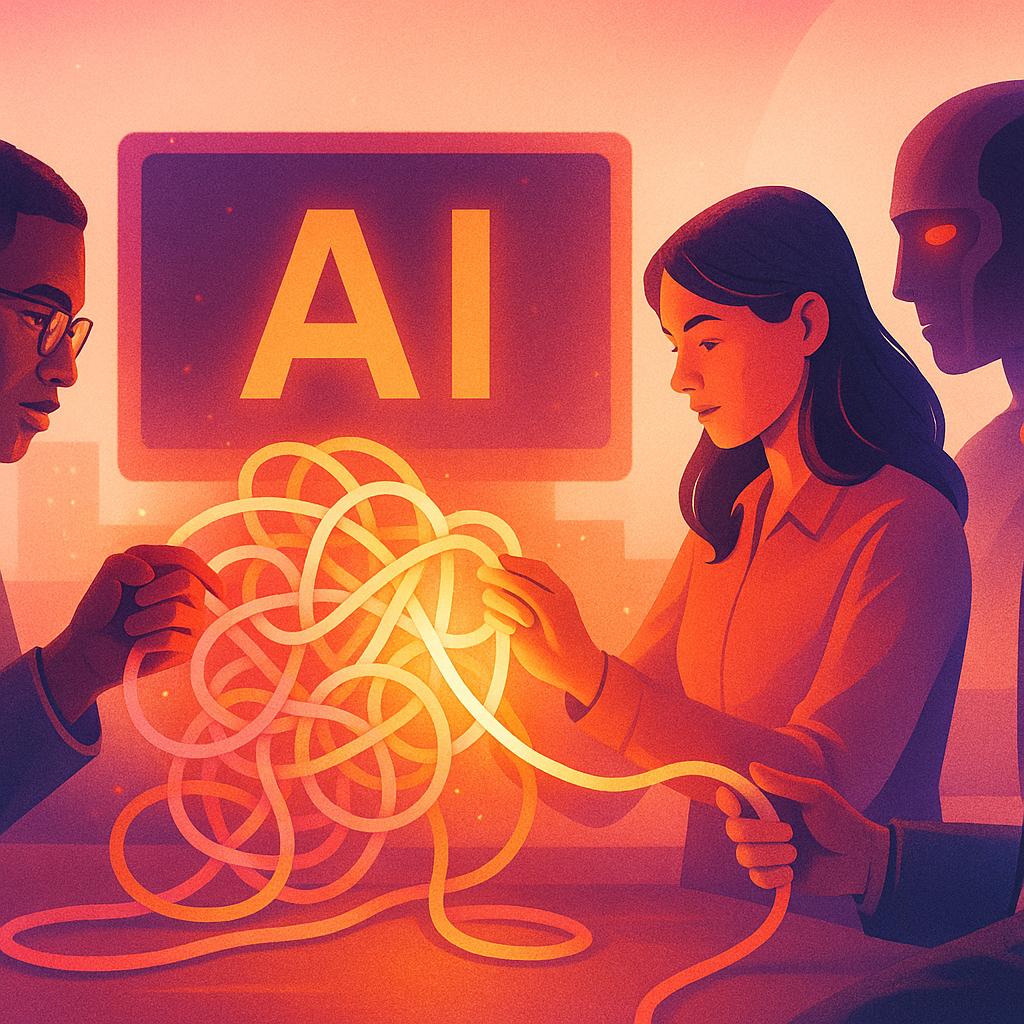



The surging wave of Artificial Intelligence is altering the base of nearly every industry. The recent headlines pop with news of DeepSeek, a Chinese AI that has matched Meta’s AI capabilities, dramatically stirring Silicon Valley and Wall Street’s soup. This extraordinary progress in AI technology highlights the unyielding competition in this space but simultaneously unravels a persistent puzzle that the AI industry, specifically in China, is yet to crack: turning their technological prowess into a profitable business model.
The spectacular rise of DeepSeek intricately contrasts with the tribulations experienced by other competitors within China’s AI industry. The notable ‘six little dragons’ among the top-performing AI unicorns in China – MiniMax, Moonshot AI, Zhipu AI, Stepfun, Baichuan, and 01.AI- radiated significant hope. These startups catalyzed China’s AI force during the past two years by independently nurturing their own broader-purpose AI models. Yet, these startups find themselves grappling with survival as they bob within the turbulent waters of AI evolution.
If we zoom out a little, this intriguing plot twist in AI development transcends national boundaries and underlines a vibrant canvas for numerous industries as they attempt to decipher the future of AI and its hardcore implications. Encountering these technological leaps and bounds, how does the sagacity of AI translate to mainstream consumer trends across various industries then?
AI has a profound influence stirring consumer trends towards demand for personalized and memorable experiences. As these AI-driven technologies determine our online shopping, entertainment, and social media interactions, they incessantly shape consumer trends towards more one-to-one, personalized experiences. However, creating a sustainable profitable structure while delivering such tailor-made experiences remains challenging.
Throw in the gargantuan presence of corporates like Meta and ByteDance, who’ve astutely harnessed AI’s power within their applications, and you’ll see how the situation further complicates. Budding startups confront a daunting fight against these tech giants, which have both experiential and resource advantage to continually refine their AI applications.
To counteract, many of these AI unicorns have sought to pivot and specialize in niche industries, fueling their advances within areas less dominated and charting their own territory. Concurrently, broadening horizons overseas has surged as an appealing strategy to derive profitability. Thus, as we further advance into the digital era, the regional expansion and industry specialization may drive the next AI industry shift.
Meta’s scramble in response to Chinese AI advancements is a fitting testament to the intense, boundless potential that AI promises to industries worldwide. Decoding the future of AI is like predicting the unpredictable, yet understanding its trajectory guides the industries’ responses. Connecting the dots between these AI breakthroughs and prevalent consumer trends, it’s clear we stand at the precipice of a transformative era. Empowered by AI, we’re leaping towards more personalized, vibrant, and specialized consumer experiences worldwide.
The mission is now to transform numerous lessons and challenges from these AI barons’ journey into a sustainable, efficient business model. It’s a thrilling spectacle observing these AI titans battle it out and navigates the path towards AI’s future as they simultaneously shape the face of various industries. Hold on tight; it’s going to be one heck of a ride!