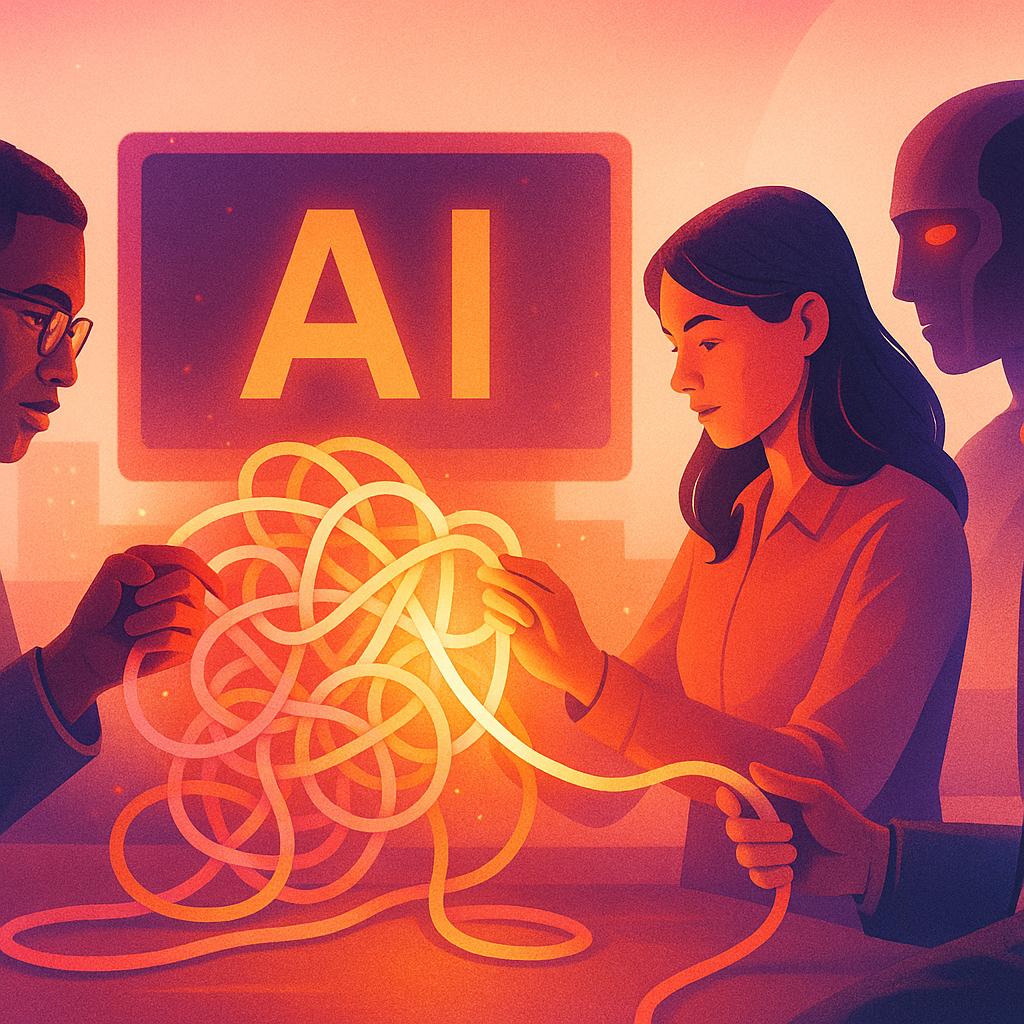


Greetings, my fellow AI explorers, welcome once more aboard our virtual spaceship as we traverse the vast cosmos of Artificial Intelligence. Today’s stop? The far-reaching implications of the European Union’s AI Act as it hits its first-ever compliance deadline, boldly declaring a ban on ‘unacceptable risk’ AI systems.
This legislation, touted as a milestone in the realm of AI regulation, hands over to regulators the power to outlaw AI systems found to pose an ‘unacceptable risk.’ This ripple will undoubtedly reverberate across various spheres involving AI applications, encompassing everything from everyday consumer products to public environments.
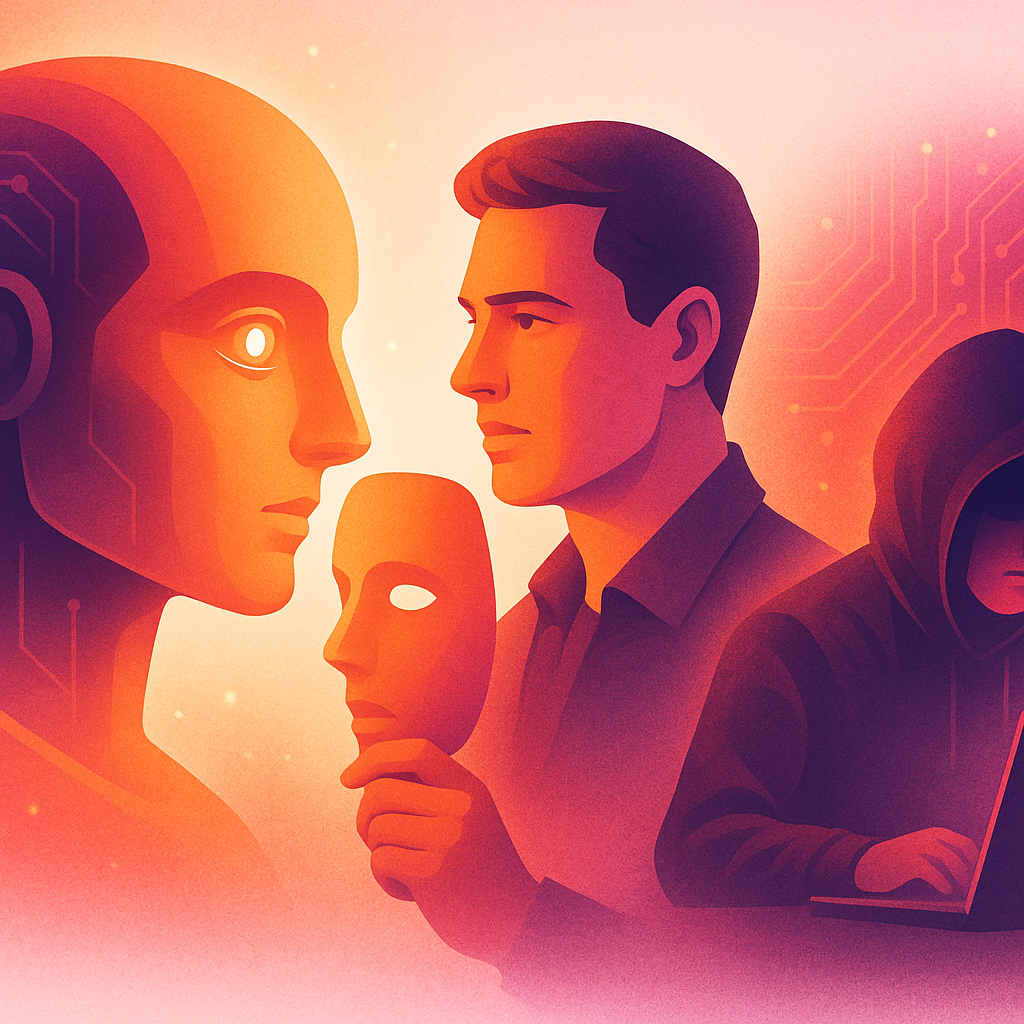
The primary question on your mind, as it should be, is likely this: What exactly qualifies as an ‘unacceptable risk’? To give you the skinny, it’s any AI that takes on macabre roles such as predicting crimes based on someone’s facial features or attempting to manipulate people’s decisions like a behind-the-scenes puppet master. If it strays into the territory of exploiting vulnerabilities such as age or disability, or creepily scrapes the web for faces to compile into facial recognition databases, then it’s stamped as an ‘unacceptable risk.’
Can you imagine using AI to detect emotions at work or school? Well, the EU has resoundingly said ‘no thank you’ to that, too! Essentially, if it sends chills down your spine and sounds like a dystopian plot pulled from a ‘Black Mirror’ episode, it’s likely on the EU’s banned list.
The road map set by the EU AI Act categorizes AI systems into four risk levels: minimal, limited, high, and the most
serious—’unacceptable risk.’ Each bears corresponding levels of regulatory oversight, with the highest risks slapped with
uncompromising heavy scrutiny.
Firms must now tread carefully or face hefty penalties should they clash with these new regulations. Get caught on the wrong side of the rules, and you’ll be left smarting from fines that could either be an eye-watering €35 million or 7% of your annual revenue, whichever hits the hardest.
Every new rule has its dissenters, and with this one, Meta, Apple, and French AI startup Mistral refused to sign a voluntary promise to obey these guidelines early. However, it’s clear as day: staying clear of the pledge doesn’t exempt them from the rules. So, whether with begrudging acceptance or enthusiastic approval, they will have to abide by these new regulations.
But what about those deep-seated fears we might have about Big Brother watching us? Well, the Act does allow some exceptions. Law enforcement can still use biometric AI in public, but only to locate, say, an abducted person or to prevent an immediate threat. Additionally, AI that detects emotions still has a green light if it’s for medical or safety reasons, but only with an exclusive seal of approval.
What’s the future hold, you ask? Well, the just-past February deadline was only setting the stage. The real substance of this AI saga comes into play this August when law enforcement begins to swing into action, levelling fines at breaching companies. On top of that, the EU is setting the wheels in motion for additional guidelines to define how these AI rulebooks intersect with other laws such as GDPR and cybersecurity regulations.
In a nutshell, where AI companies are concerned, Europe is setting the rules of the new game. The onus is on them to either play by these directives or risk their coffers. Trust me, a €35 million fine is a definite buzz killer for those eagerly anticipated product launches.
Beyond skeptical glances and wary cynics, this dramatic shift in AI regulation can be perceived as a good thing for consumers in general and for high-stake brands. It indicates a proactive approach by governing bodies to ensure that AI applications don’t stray into creepy territory that could infringe on personal privacy or be used for malicious ends.
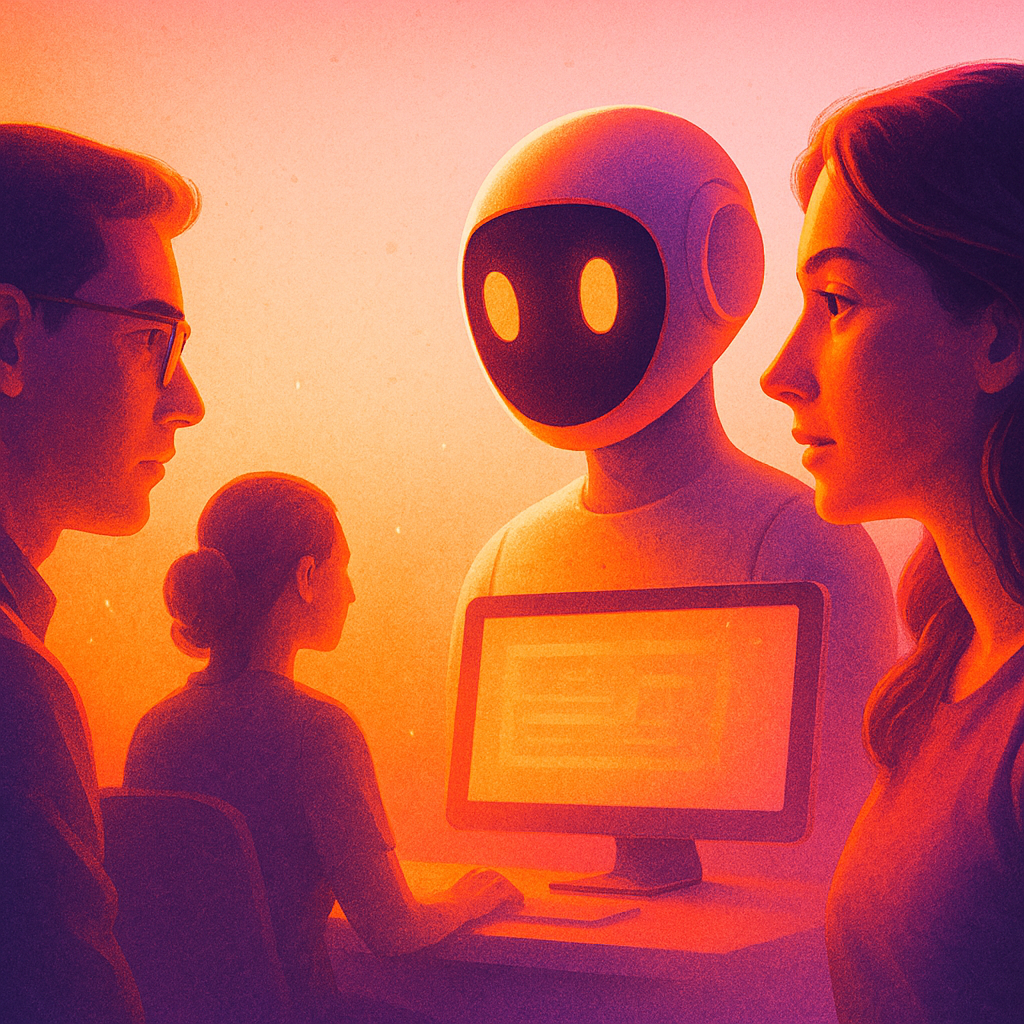
Whether you’re a start-up entrepreneur crafting AI applications in a basement office, a big-brand honcho tweaking AI algorithms in an ivory tower, or an everyday consumer, we’re all in this unfolding AI saga together. Approaching it with a balanced mix of optimism, caution, and, most importantly, information, ensures that AI, the brainchild of our collective genius, remains our helpful accomplice and not a rogue adversary.
Now, wouldn’t you agree that’s a future worth powering up our circuits for? Shall we charge onwards, fellow AI explorers? The cosmos of artificial intelligence awaits!