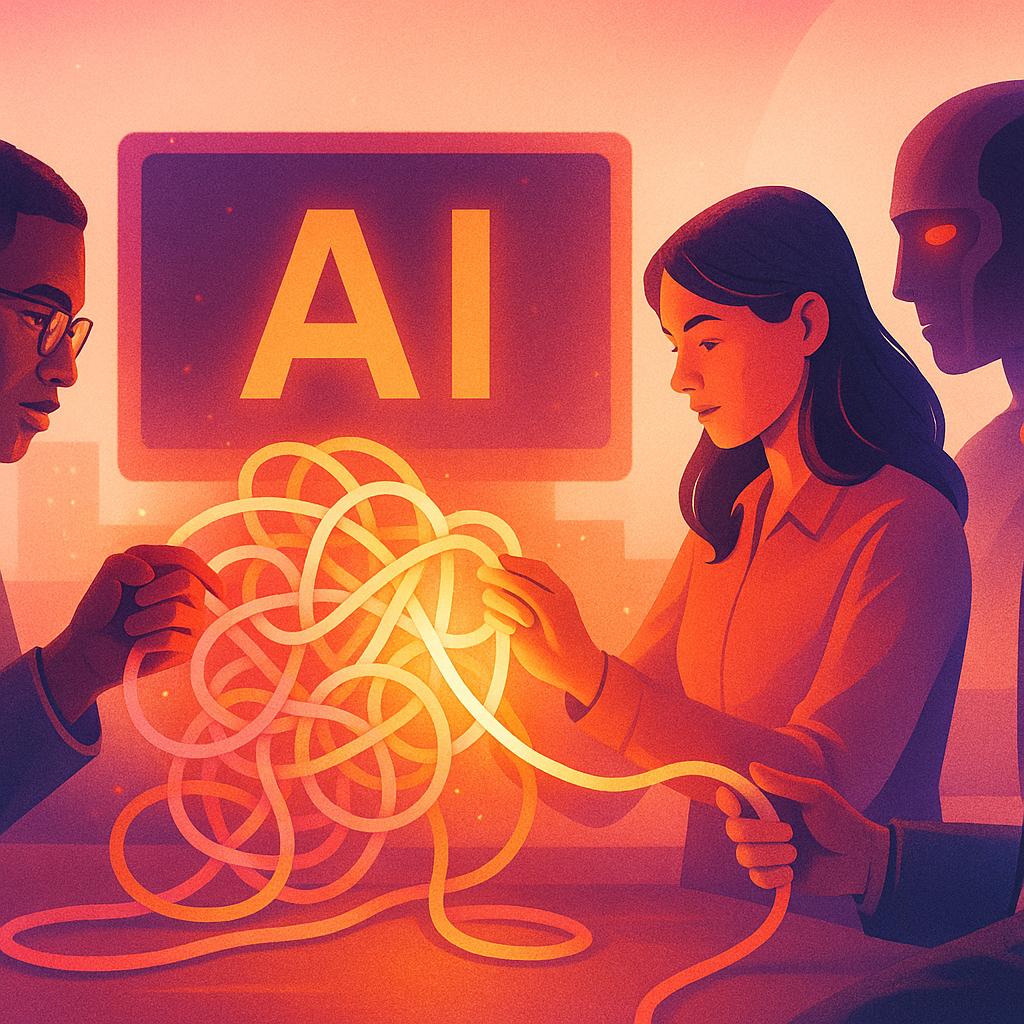



The increasing sophistication of AI models and the utilization of PhD-level questions by OpenAI mark a notable shift in the realm of artificial intelligence. OpenAI’s approach of tapping into the expertise of biology PhDs to enhance its reasoning models sheds light on the evolving landscape of AI development and its broader
implications for consumers and large brands.
By exploring intricate questions posed to specialists across various domains, including medicine, law, and computer science, OpenAI is striving to refine its models to tackle complex real-world challenges effectively. This strategy not only underscores the commitment to advancing AI capabilities but also highlights the crucial role of human expertise in shaping the future of AI technology.
The engagement of PhD professionals in addressing intricate queries signifies a concerted effort to enhance the quality and performance of AI models in handling diverse tasks. As AI continues to evolve, the synergy between human intelligence and machine learning becomes increasingly paramount for driving innovation and addressing intricate challenges across industries.
The collaboration between AI developers and post-training companies underscores a collaborative approach towards refining AI models. Companies like Scale AI and Invisible have been instrumental in augmenting the capabilities of AI models by leveraging human expertise to fine-tune algorithms and optimize performance.
Furthermore, the emergence of new reasoning models like DeepSeek R1 underscores the evolving landscape of AI technology, where
machine-generated data is utilized to train and enhance AI models. This innovative approach signifies a paradigm shift in data generation processes and holds the potential to revolutionize AI development and deployment.
Incorporating human input in the post-training phase of AI development is essential for imparting nuanced understanding and contextual knowledge to models. This human-AI collaboration enables AI systems to navigate complex tasks, such as multi-domain problem-solving and subjective decision-making scenarios, with greater efficiency and accuracy.
As AI models progress towards handling more intricate tasks and challenges, the integration of human-guided training and data curation remains critical for ensuring the robustness and adaptability of AI systems. The evolving dynamics of AI development underscore the importance of human intelligence in augmenting machine learning capabilities and driving impactful innovation across industries.
The ongoing legal battle between OpenAI and Elon Musk underscores the complexities and tensions surrounding the evolution of AI technology. The case sheds light on the need for ethical considerations and regulatory frameworks to govern the development and deployment of AI systems, ensuring transparency, accountability, and adherence to ethical standards.
In conclusion, the collaborative efforts between human expertise and AI technology pave the way for transformative advancements in artificial intelligence. By harnessing the collective intelligence of PhD professionals and innovators, AI developers are poised to unlock new possibilities, drive innovation, and shape the future of AI in a dynamic and ethical manner.