


In the ever-evolving technological landscape, there’s one development consistently on the tips of everyone’s tongues: Artificial
Intelligence (AI). It’s undeniably shaping the present and indeed, crafting the future. It is no secret that AI has transformed how we live, how we work, and how we stay entertained. It may come as no surprise that even the hiring processes we are so accustomed to are being shaken up by the advancements in AI.
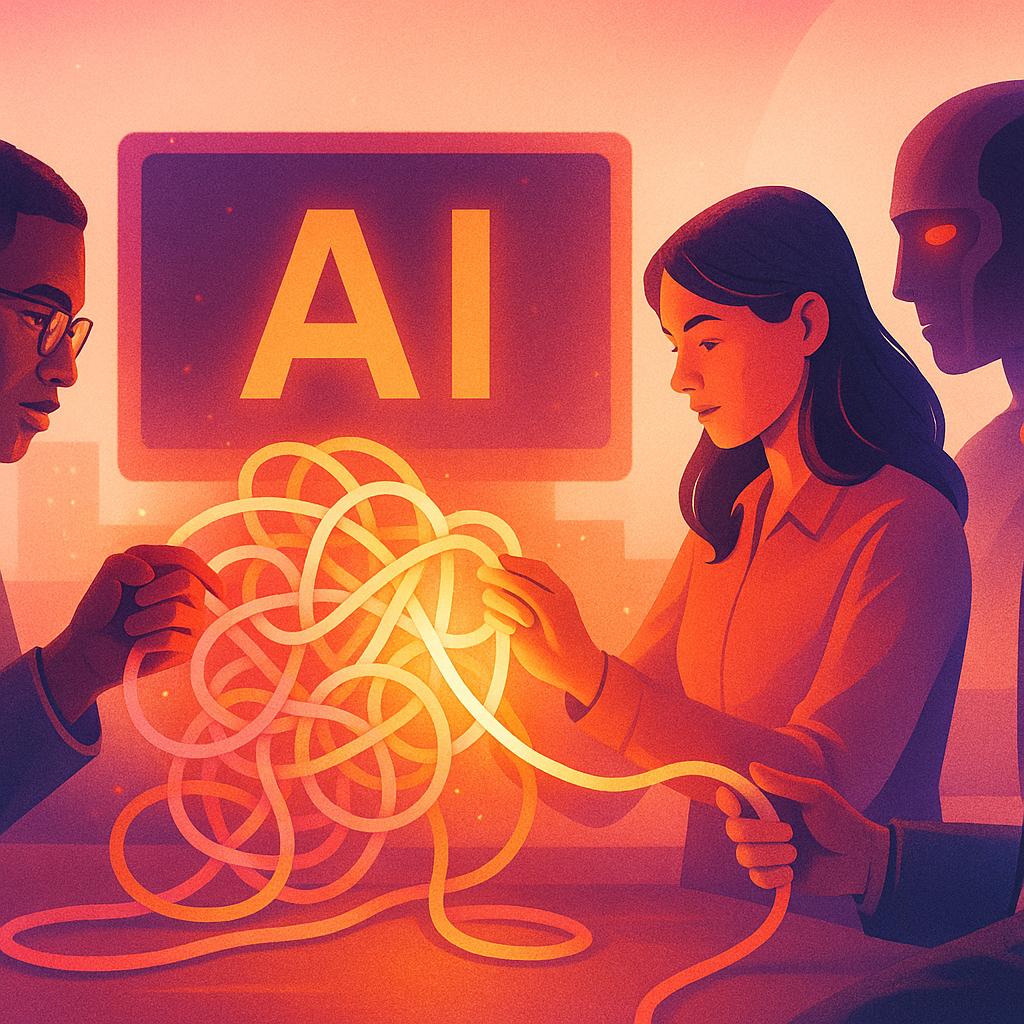
Yet, along with strides in innovation, alongside vast possibilities, come challenges and hurdles. One such challenge currently keeping the U.S. AI giants up at night revolves around, rather ironically, their potential human recruits. The U.S. AI Safety Group is confronting sizeable obstacles over their stringent hiring policies.
To give some context, the U.S. AI Safety Group is at the heart of securing America’s position in the burgeoning AI industry. Tasked with the mammoth responsibility of safeguarding AI’s growth while mitigating possible risks, the group plays an instrumental role. Their mission necessitates the recruitment of the brightest minds in the field.
However, it’s in the pursuit of this talent where challenges arise. Current hiring policies have been deemed too strict, creating hurdles in the acquisition of top-tier talent and, fascinatingly, it’s their policy of impartiality and attempts to curb conflicts of interest that seems to bear the brunt of the blame.
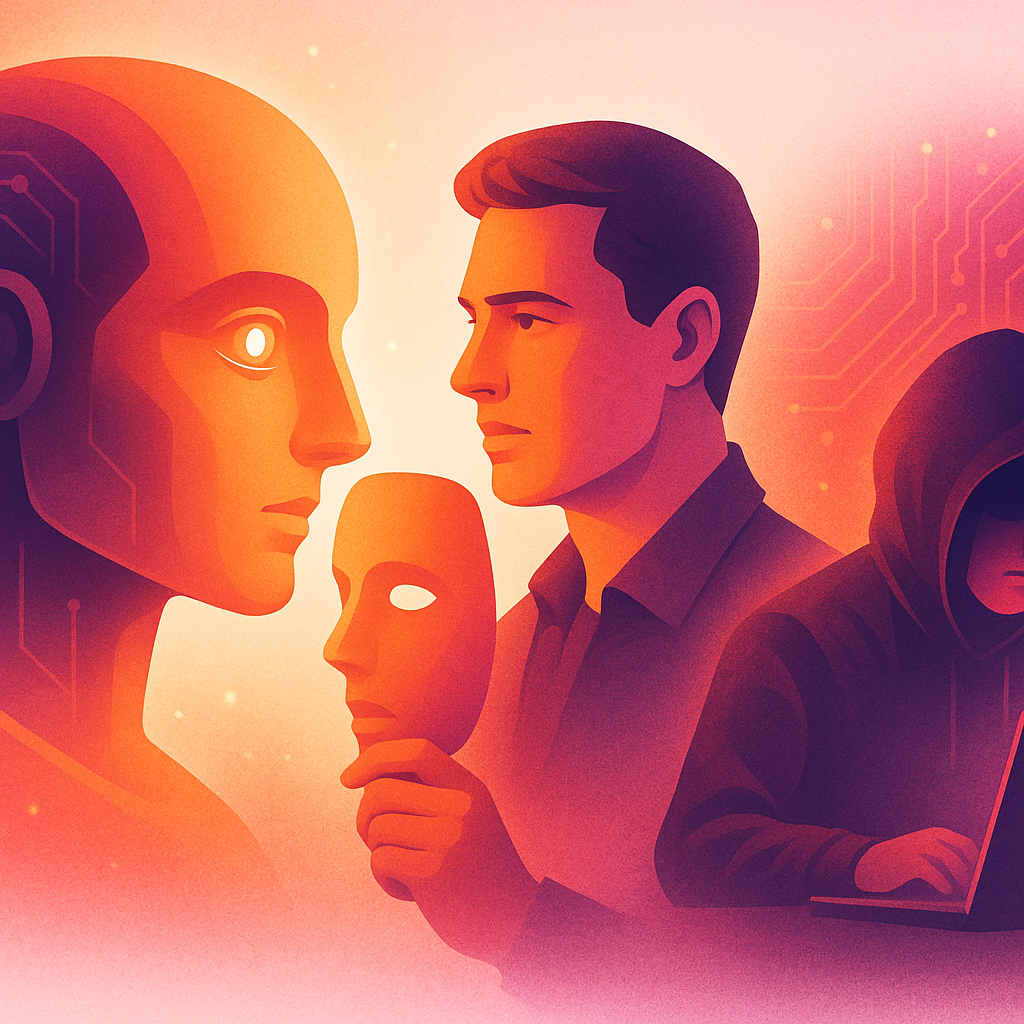
An illuminating example lies with ex-employees of OpenAI, arguably some of the most valuable recruits in the industry. They have been barred from the U.S. AI Safety Group due to previous equity they held in OpenAI. The aim of such policies is to ensure that those within the organization remain impartial and unnaturally aligned with previous affiliations. Yet, it’s this very rule that, while well-intentioned, is posing a formidable barrier to recruiting the top talent necessary to stay competitive.
The consequences of these restrictions are far-reaching. Besides limiting the pool of potential recruits, it potentially hampers the pace of America’s AI development. After all, it is the accumulation of bright minds that configures the engine for progression. Without them, the momentum may be lost.
Moreover, it’s not just about remaining competitive. It’s about shaping the future of AI in a way that aligns with our values. Talent acquisition plays a significant role in driving the direction of AI development. When we pull the best and brightest into our team, we do more than ramp up our capacity for innovation—we steer the ethical trajectory of that innovation.
In an interesting plot twist, while the U.S. struggles with these hiring difficulties, our counterparts across the pond play by a different set of rules. The UK’s AI Safety Institute, which bears striking similarities to the U.S. body, has more relaxed policies on employees holding equity in AI companies. This seemingly minor difference in policy could have consequential effects on the acceleration of AI advancements in the UK.
This dichotomy presents a compelling argument for reviewing
long-standing protocols in a rapidly evolving field. As AI continues to play a significant part in our lives, it’s crucial that those entrusted to oversee its safety and efficacy are empowered to recruit the talent needed to do so.
In essence, the U.S. AI Safety Group’s talent acquisition challenge poses pertinent questions on the trade-off between impartiality and the need for top-tier expertise. As we tread further into the depths of the AI revolution, finding a balanced solution to this dilemma will be crucial. Only then can we truly unlock the extraordinary potential AI holds while remaining vigilant to the risks. Competition is fierce, and the race is on. Here’s hoping we can toggle the right switches in time, propel forward, and lead in the AI revolution. That’s the AI agenda—the vivid reality we must brace for!