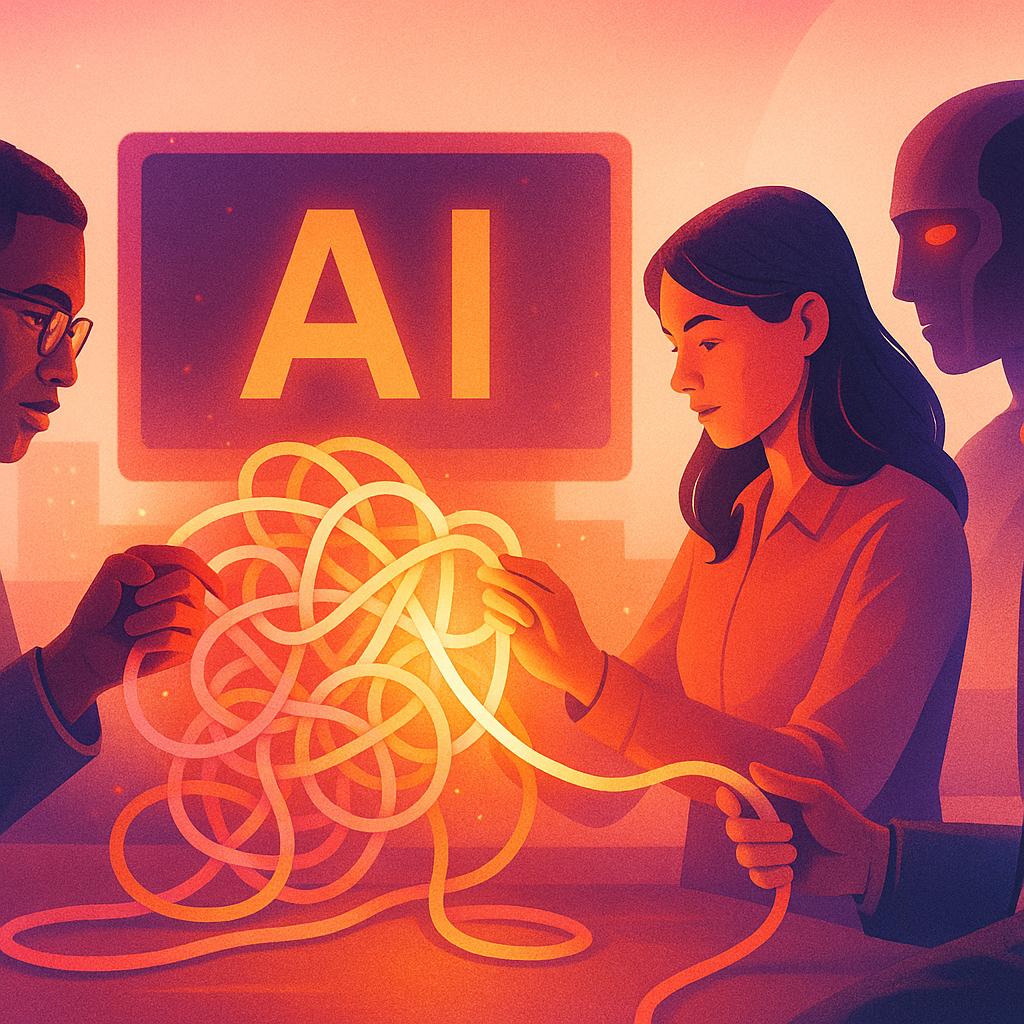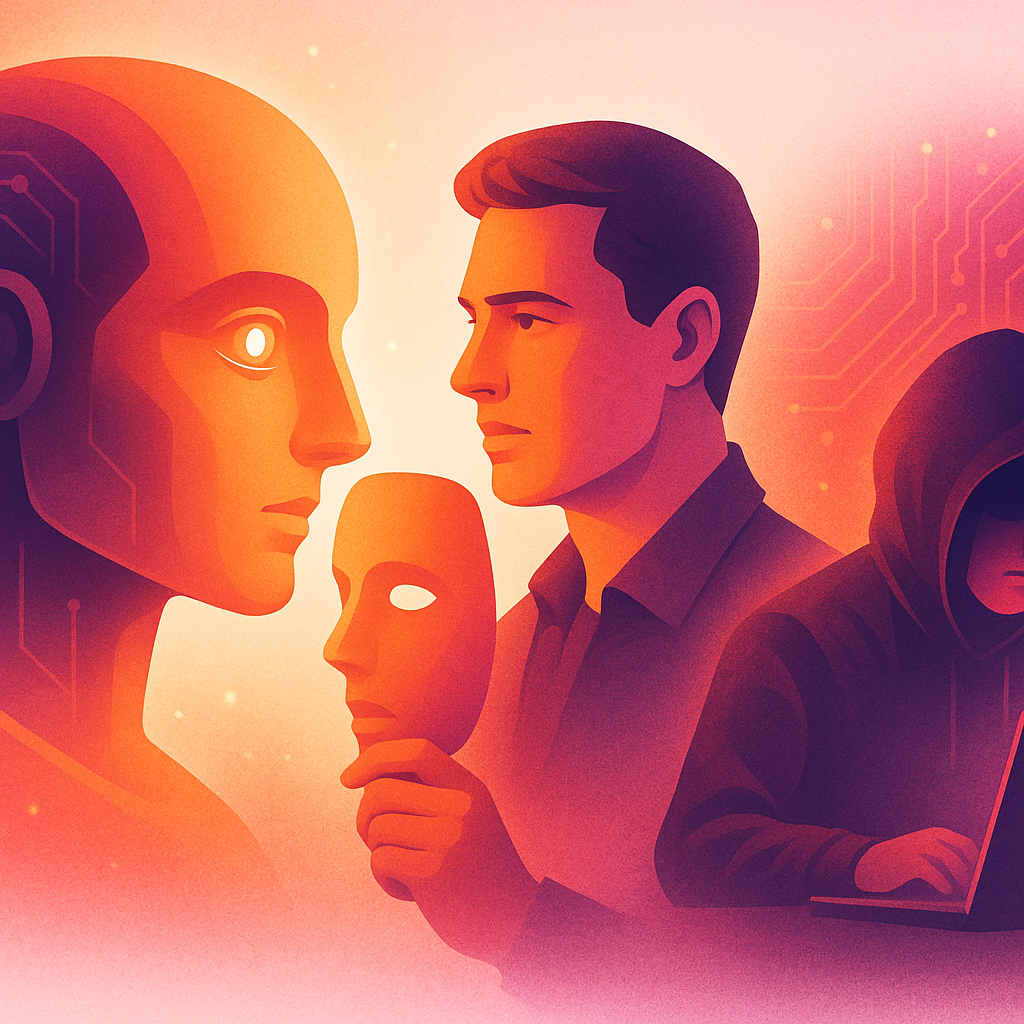
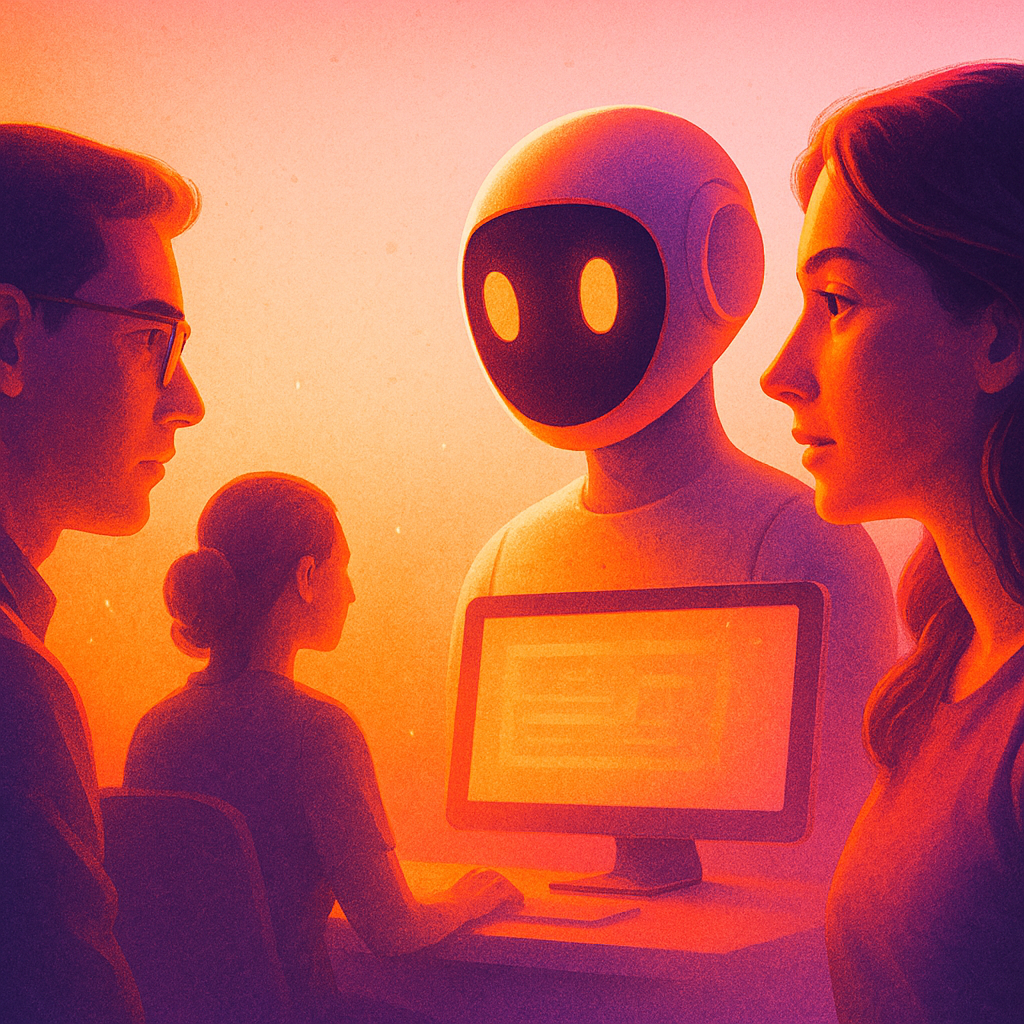


In the shimmering world of tech, riddled with big names and impactful ideas, there is never a dull moment. One such saga that keeps the tech community at the edge of their seats is rather more like a thriller movie: the nasty feud between Deel and Rippling. It’s more than just Silicon Valley gossip, as it highlights critical issues around cybersecurity and sheds light on the future of AI technology.
The Deel-Rippling feud might sound like a Bravo TV show, but it captures a real and critical threat to data security. Both companies provide payroll and compliance services, and their feud took a dramatic turn into a cloak-and-dagger saga when accusations of data espionage started flying around. This rivalry brings us face-to-face with the vulnerabilities of our digital age, an age increasingly dominated by artificial intelligence.
Let’s pivot here for a moment and focus on the bigger picture. The feud, intense as it is, is a pinpoint reflection of a growing trend in the field of AI and cybersecurity – a trend that’s changing the course of tech industry as we know it.
As AI continues to revolutionize industries, hackers are increasingly exploiting this technology, thus escalating cybersecurity threats. This, in turn, is driving exponential growth in cybersecurity startups like Chainguard. This startup is all about detecting security vulnerabilities in open-source software, especially the ones used in popular AI models. As a result, it has seen a significant boost in its annualized revenue, increasing nearly sevenfold in a single year. But does this resonate, and is it relevant to mainstream consumer trends?
Absolutely! The surging revenues of cybersecurity companies like Chainguard and Island, or the skyrocketing valuation of Cyberhaven, traces back to the increasing mainstream adoption and trust in technology, AI, in particular. Companies and consumers are leaning more on AI to streamline operations and simplify daily tasks, and this means that there’s more data than ever at risk. In turn, individuals and corporations are recognizing the importance of enhanced
cybersecurity measures to protect their existence in the digital universe.
As we witness this technological revolution, a co-evolution of cybersecurity becomes critical. Whether it’s outsmarting hackers or preventing the misuse of AI, the need for robust security systems is indispensable. If the nasty feud between Deel and Rippling has taught us anything, it’s just how seriously we ought to take data security. After all, in this age of AI, the sword and the shield are in a constant battle for supremacy.
Mainstream consumers are now more than ever attuned to privacy concerns, data leaks, cybersecurity breaches, and the role of AI in their lives. The future of AI thus hinges not just on innovative advancements but also on its twin force – cybersecurity. Their growth, parallels and struggles are a reflection of our attitudes, behaviors and the trust we place in technology.
As we connect these dots, both as individuals and corporations, let’s remember that in the digital age, victory is not just about wielding the sharpest sword, but also about carrying the strongest shield. The convoluted saga of Deel and Rippling is merely a reminder of this evolving landscape, where the future is bright and ever-changing, even in the face of conflict and competition. It is a testament to the enduring and fierce spirit of technological advancement, and maps the terrain across which we must march toward the future.