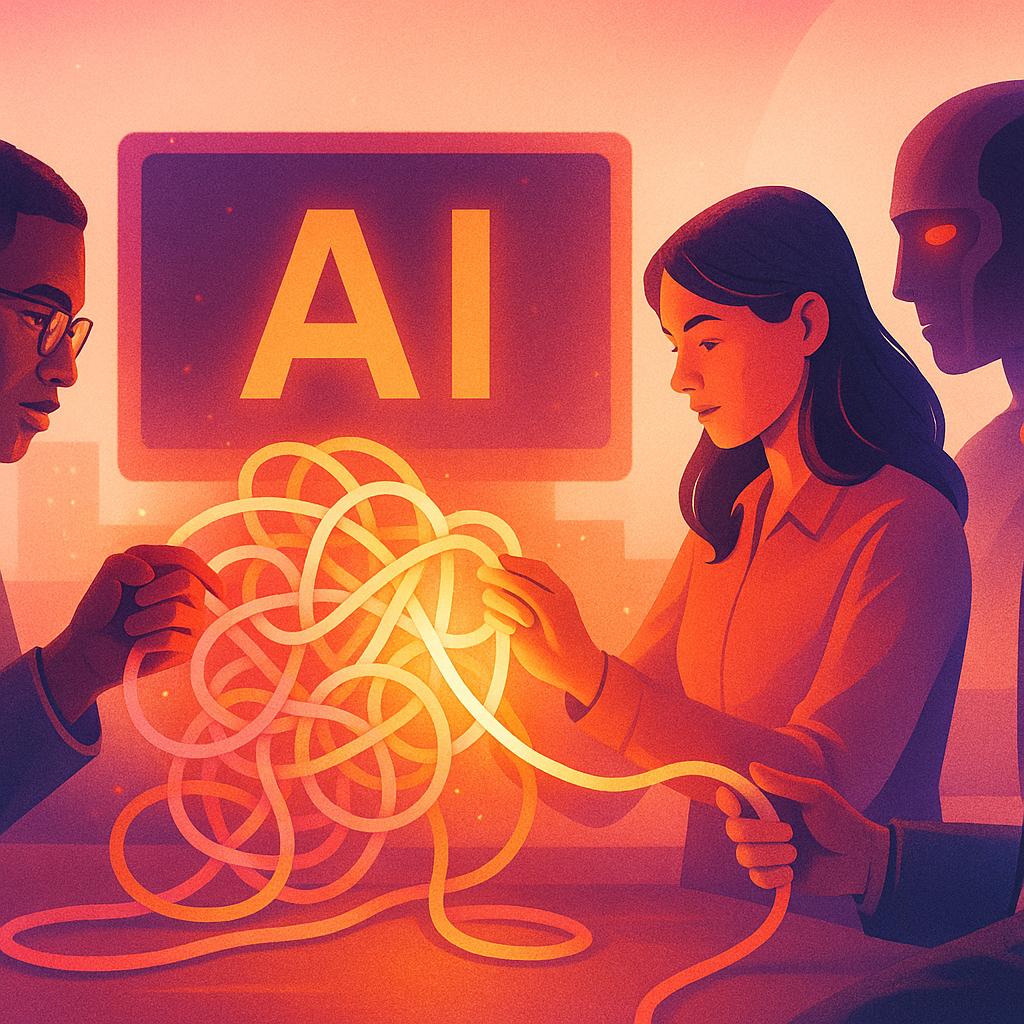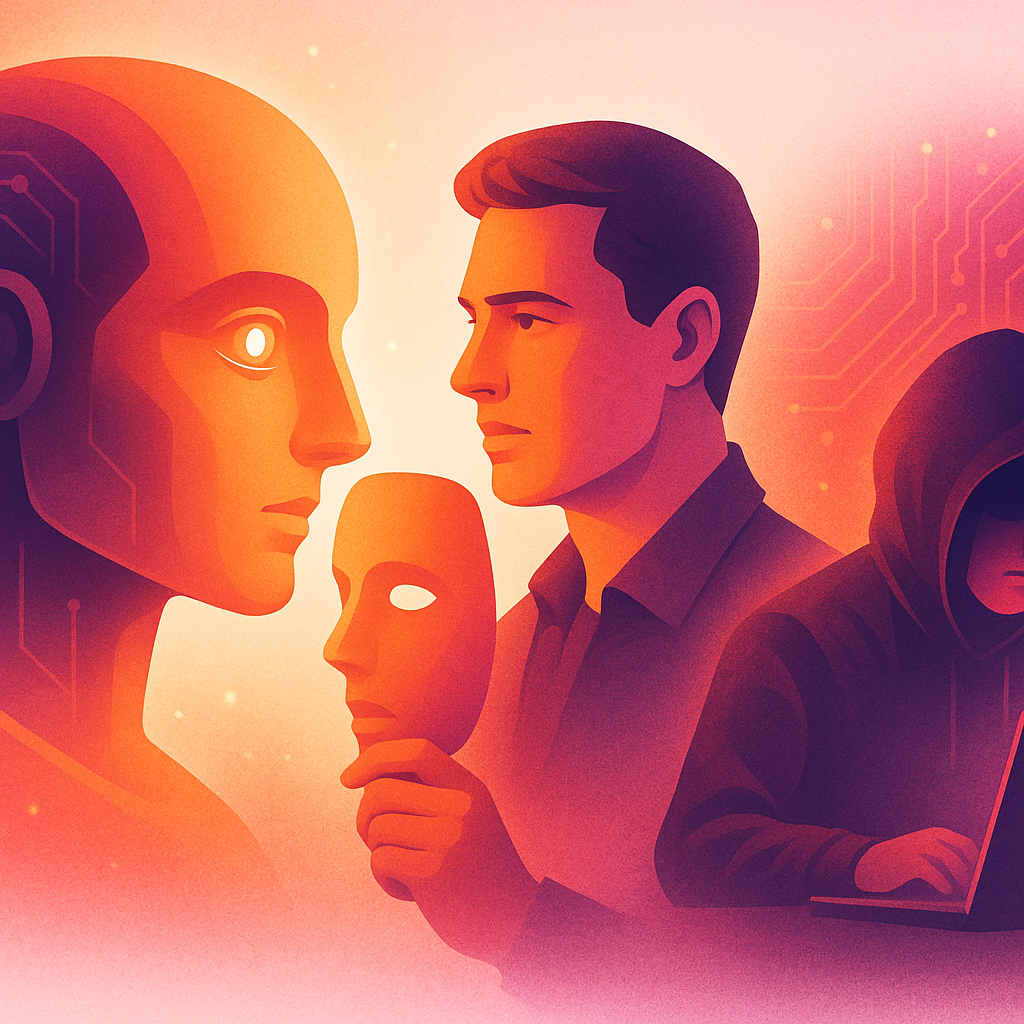
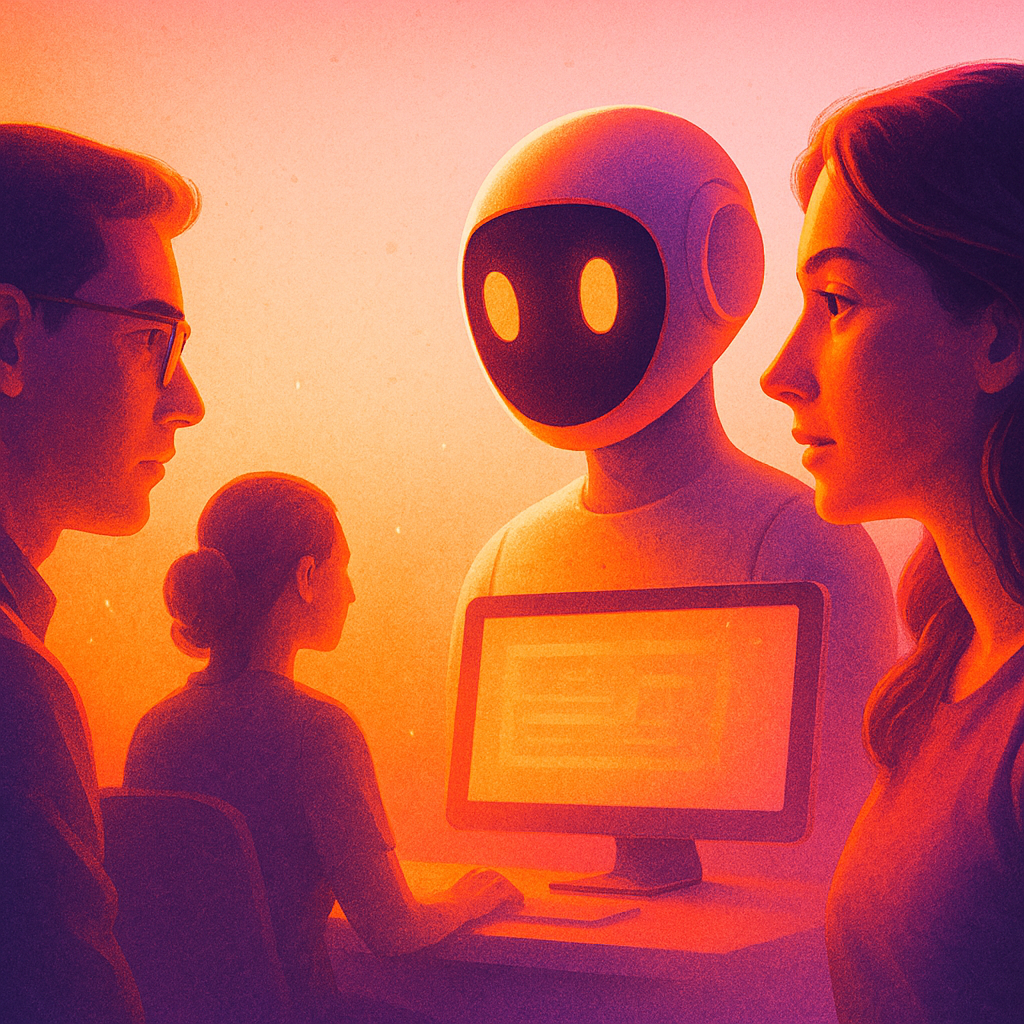


It’s not every day that we make groundbreaking realizations about the way our technology operates — and today, we’re diving deep into the fascinating revelation behind AI’s tendency to hallucinate. Yep, you heard that right: our carefully coded companions have been having some pretty audacious, imagery-filled daydreams.
Let’s step back for a second and get our footing on this mysterious path. The term AI hallucination was coined to describe a unique and curious phenomenon plaguing AI systems across the world: delivering inaccurate, sometimes glaringly misguided, information responses. Usually, this takes the form of elaborating on an incorrect premise to a given query. In most straightforward language, AI systems have shown, alarmingly, to get things wrong. Big time.
In the AI ecosystem, the implications of this hallucination phenomenon are profound. This odd characteristic isn’t just an issue of inaccurate trivia responses or wrong weather forecasts; it’s a fundamental concern that could have broad and significant implications for brands and consumers alike.
Now to the million-dollar question: why does AI hallucinate? To answer that, let’s turn to a study carried out by Giskard, a Paris-based AI testing company. Their findings indicate that asking AI to be concise, especially in response to complex or misleading questions, makes AI more susceptible to delivering misinformation.
Let’s put this into context: Information about the world is vast and diverse. True accuracy often requires delivering explanations with significant nuances and caveats. By pressuring AI systems to deliver short and simple answers, we’re actually handing them a double-edged sword. Instead of enlightening us with the most accurate response which calls for a more comprehensive explanation, we’re pushing them into a corner where they oversimplify or misconstrue reality.
But that’s not where Giskard’s findings end. They also revealed that people actually prefer agreeable, confident, albeit not always accurate AI. In our pursuit of a more human-like interaction, we’re inadvertently encouraging AI to be less challenging, less critical, and thus less factual.
For consumers, this means that AI products could end up reinforcing our misconceptions and biases, instead of challenging them and offering us an opportunity to grow. It’s like having a friend who always tells you what you want to hear, even when what you need to hear is the stark truth.
Moving over to the brands’ perspective, this presents a whole new kind of challenge. How can businesses balance the need for their AI interfaces to be liked, while ensuring they uphold truth, clarity, and accuracy? Updating the AI’s training algorithms to place higher value on factual accuracy over appeasability might be one solution. Yet, the practical implications of such a shift in approach come with their own set of complexities.
The consequences of AI hallucination can stretch even further when we think about how these systems are increasingly being integrated into our daily lives. From voice-controlled home devices to customer service chatbots, AI is regularly interpreting and responding to human requests and questions. Consumers and businesses alike often rely on AI for important tasks, so incorrect responses can certainly lead to consequential misunderstandings or misinformation.
In the light of these considerations, it’s clear that AI hallucination isn’t a problem to be dismissed lightly. If anything, it’s a clear indication that there is so much room for improvement in the way we develop and interact with AI systems.
So, the next time an AI spews out a short, snappy response to your complicated question, remember: you could be dealing with a
hallucinating robot. A longer, more nuanced answer might well be the key to lifting that hallucination veil.