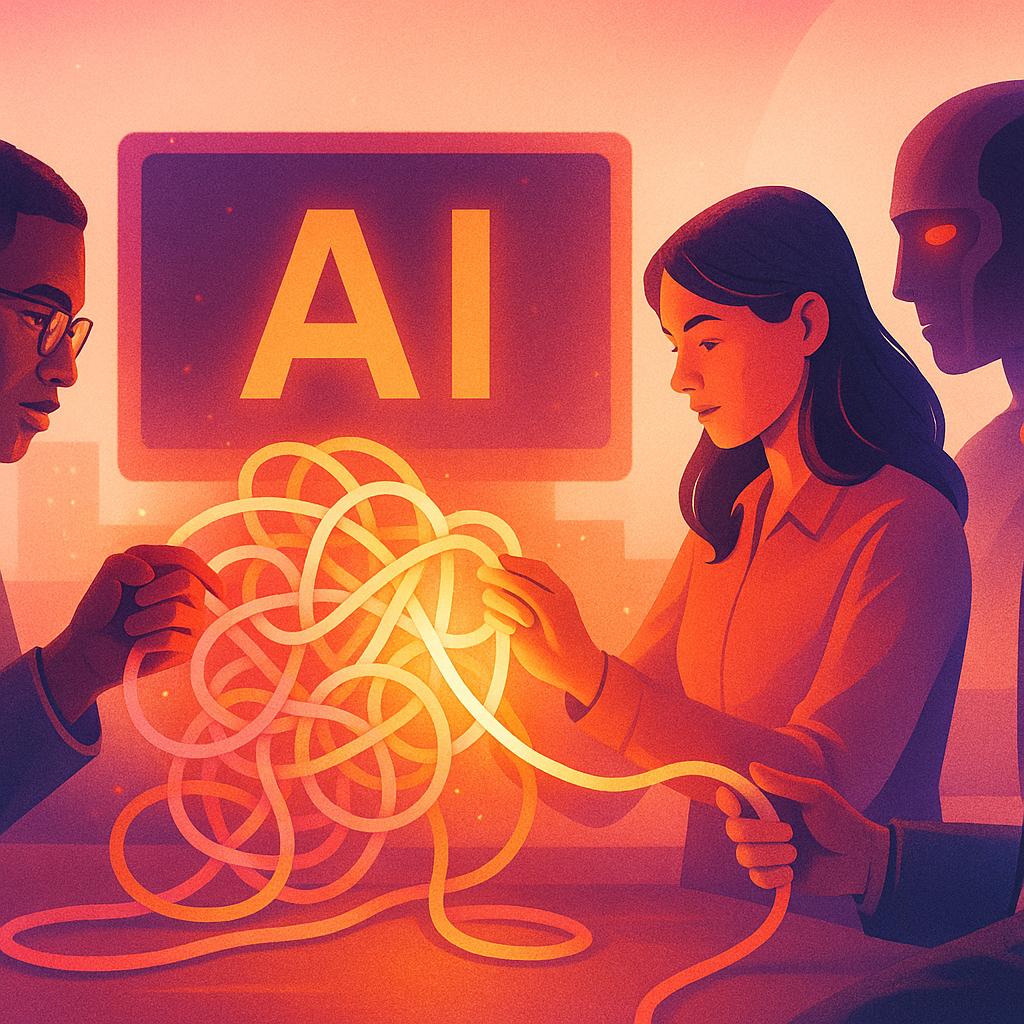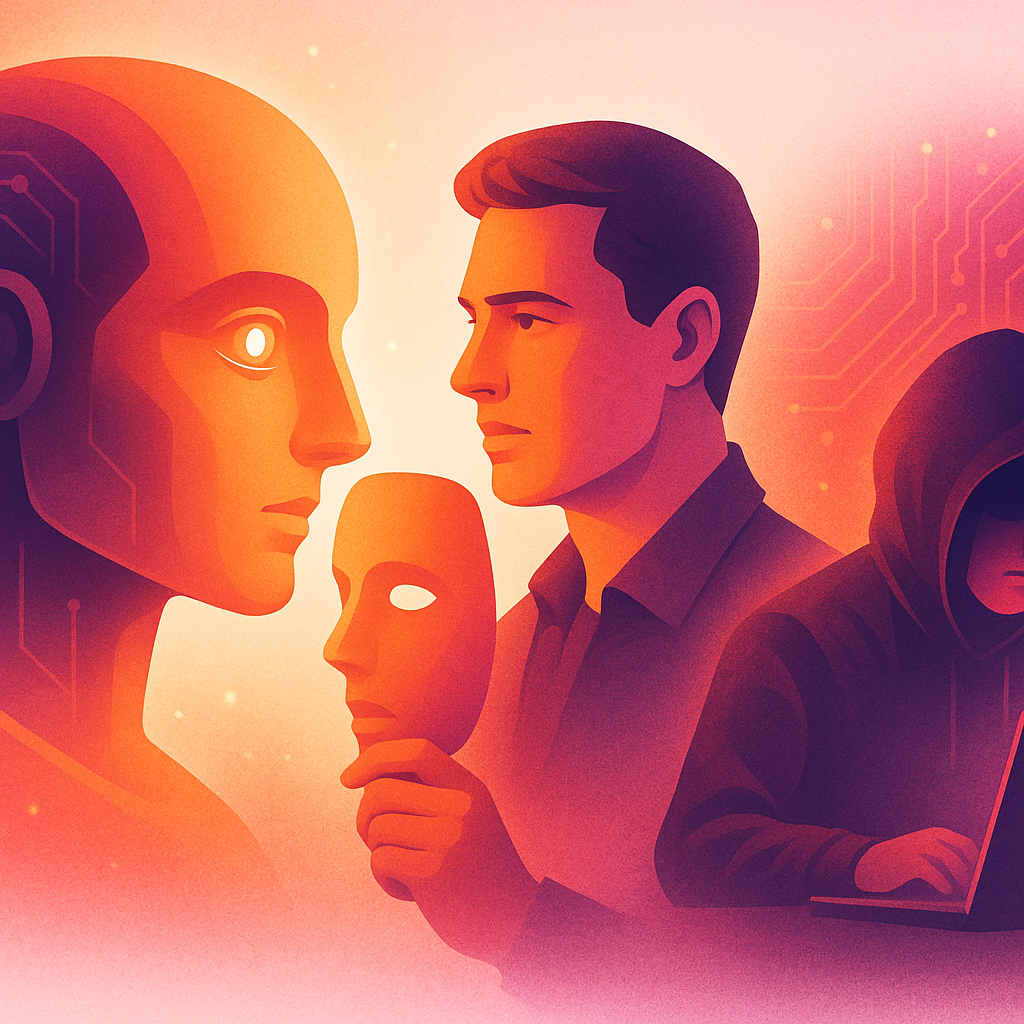
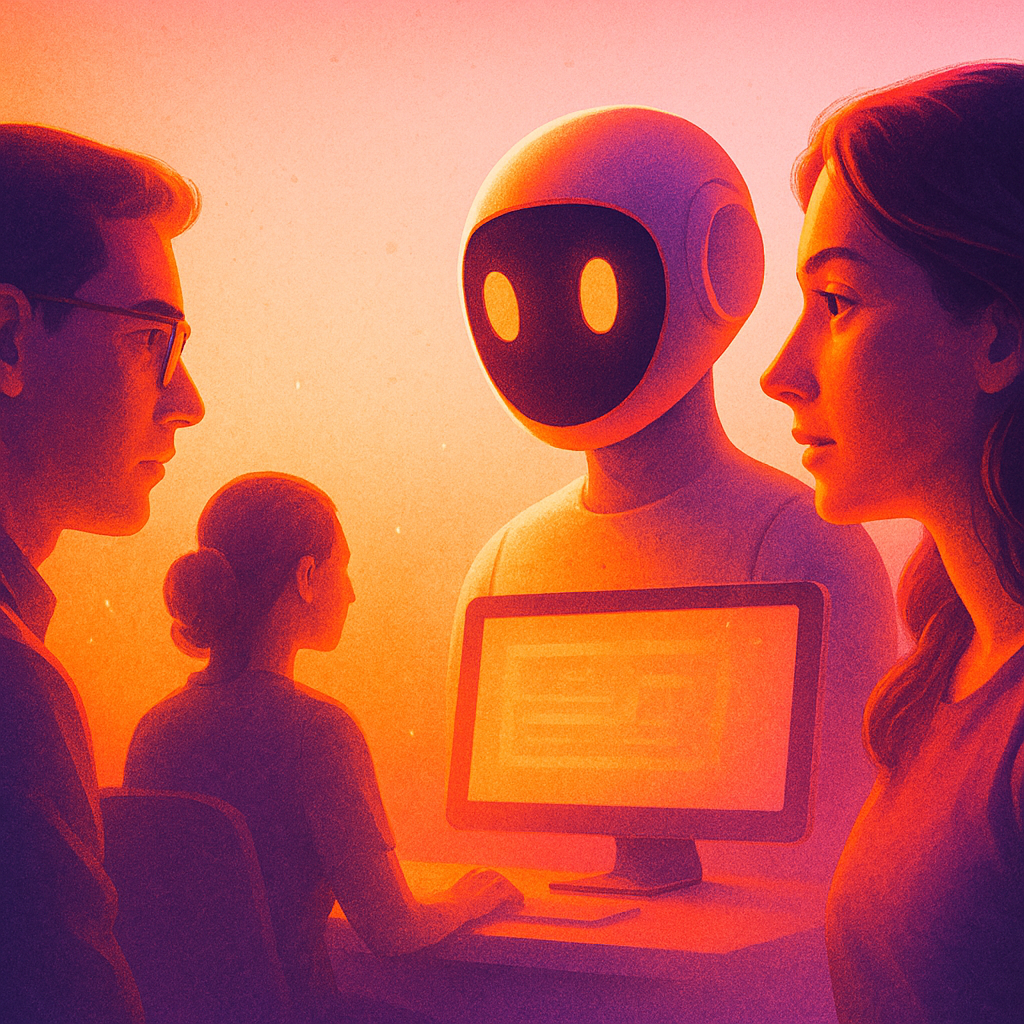


In a rapidly evolving marketplace, understanding consumer behavior has always been the holy grail for brands aiming to stay ahead. Today, that quest is being transformed by an unlikely hero—or should we say, a high-tech ally—AI agents. These digital dynamoes are reshaping how businesses decode the layers of human emotion, preference, and intent, giving us a glimpse into a future where insights are deeper, faster, and more nuanced than ever before.
Let’s face it: traditional market research has its merits, but it often feels like trying to read a book through fogged glasses. Surveys can be straightforward, but they rarely capture the authentic, unfiltered pulse of what consumers truly feel or think. Focus groups bring rich dialogue, but they’re limited by scale and subjectivity. Enter AI agents—these virtual assistants aren’t just about automating data collection. They’re about mimicking human empathy, interpreting biometric cues, and engaging with audiences in ways that feel remarkably human.
Take the example of Warner Bros., a company that’s turning fandom and biometric research into powerful tools for understanding their audience. Imagine a community of over 45,000 fans—passionate, engaged, and deliberately unmotivated by incentives. This isn’t just a fan club; it’s a treasure trove of real, honest insights. By tapping into non-incentivized sub-communities, Warner Bros. is capturing authentic reactions and emotions—those subtle shifts that traditional surveys often miss. The result? A deeper, more empathetic understanding of what drives their audience’s loyalty and excitement.
So, how do AI agents fit into this picture? They act as digital ethnographers—listening, learning, and even mimicking the nuances of human conversation. They can interpret biometric data, recognize emotional cues, and adapt their responses in real time. Think of them as the conversation partners who never tire, never judge, and always strive to get closer to the truth beneath the surface. Yes, AI can’t truly feel empathy, but with clever design and human feedback, they can simulate it convincingly—creating conversations that unlock layers of insight previously thought inaccessible.
This capability is especially relevant across industries that rely heavily on understanding consumer sentiment—be it entertainment, healthcare, retail, or tech. For instance, in the pharmaceutical space, AI-powered videos are bringing future markets to life by visually and emotionally engaging potential customers. In retail, voice-enabled surveys are capturing spontaneous reactions that can reveal real-time preferences and frustrations. The common thread? AI-driven tools are turning static data into dynamic stories, revealing not just what consumers say, but what they feel.
However, it’s essential to recognize the limitations. AI agents excel at scalability, speed, and pattern recognition, but they aren’t replacements for genuine human-led research. They supplement, rather than supplant, traditional methods. For example, understanding complex cultural nuances or deeply personal motivations still benefits from human expertise. The future isn’t AI versus humans; it’s humans with AI augmenting their capabilities.
What does this mean for the broader consumer trend landscape? It signals a shift toward more personalized, immersive, and emotionally intelligent interactions. Consumers crave authenticity and
connection—traits that AI, when deployed thoughtfully, can help facilitate. Brands that embrace AI agents as part of their research toolkit will be better positioned to anticipate trends, respond to needs, and foster loyalty in an increasingly competitive arena.
Imagine the possibilities of capturing real-time, biometric-triggered reactions during a product launch or a customer service interaction. Or employing AI agents to sift through millions of social media comments, forums, and fan communities—spotting emerging trends before they go mainstream. These are not distant fantasies but tangible strategies rooted in current technological advances.
The evolution of AI in consumer insights is a story of expanding boundaries. It’s about blending human intuition with machine precision to unlock truths that drive smarter decision-making. As more companies adopt these tools—be they biometric research, AI-driven focus groups, or sentiment analysis platforms—they’re not just improving data collection; they’re transforming how brands connect, empathize, and adapt to a complex consumer landscape.
In a world brimming with information overload, AI agents act as the modern-day detectives—cutting through the noise, and discovering what truly resonates with audiences. Whether it’s deciphering fan enthusiasm or predicting future market shifts, they are becoming the secret weapon for brands eager to understand their consumers on a deeper, more instinctive level.
The future of market research isn’t about replacing human insight but enhancing it. AI agents are helping us ask better questions, receive richer answers, and ultimately, forge stronger connections with the people at the heart of every brand story: the consumers. As technology continues to advance, those who harness the power of AI intelligence will find themselves a step ahead—turning insights into action and anticipation into innovation.