


A new day is dawning in the world of artificial intelligence (AI), and with recent events within Meta, it’s clear that reformation is afoot. But why are these changes happening and what does it mean for the tech industry and beyond?
Let’s set the scene: after some internal struggles and product delays, Meta – fiercely-renowned social media behemoth and parent company of Facebook, Instagram, and the newly acclaimed “MetaVerse,” – is going through an essential overhaul of its AI division. However, the tech transformation taking place is not confined to Silicon Valley. It’s a wave sweeping across the globe, enveloping sectors from e-commerce to automation, and it’s essential for industry insiders to keep pace.
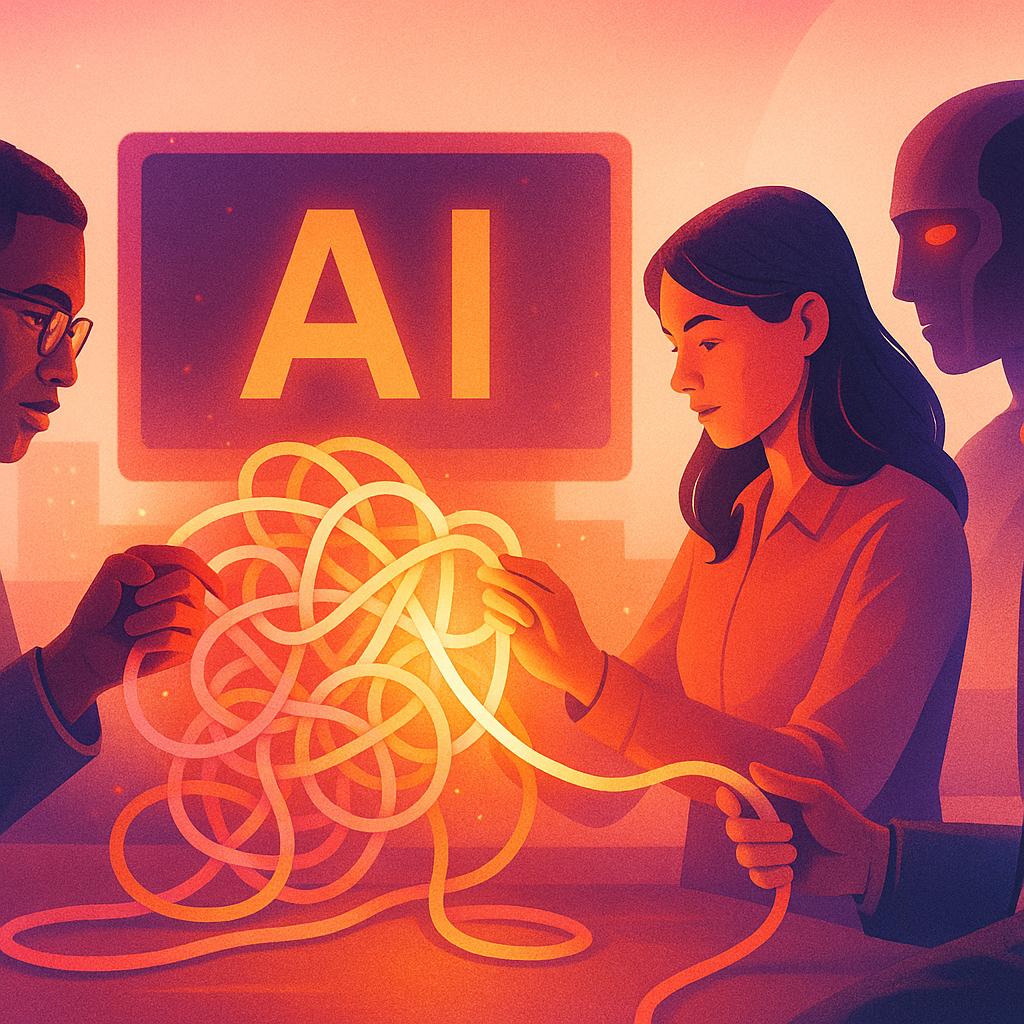
The reorientation within Meta’s AI team paints an insightful picture of current industry dynamics. The remodel alludes to issues within team dynamics and proficiency delays, putting into perspective that even titans of industry aren’t immune to the pressures of innovation. It makes one think, if such a powerful entity is feeling the heat, what about the rest of the pack?
The answer isn’t straightforward, but it’s definitely correlated with the global AI and tech updates stirring the scene.
Like captains steering their ships amidst the wild ocean, leaders like Nvidia’s Jensen Huang are maneuvering through this high-stakes environment. Huang’s frequent interactions with political forces exhibit a balancing act between tech ambitions and geopolitical realities. The conversation between leaders across industries is intensifying; AI isn’t simply a tech feature anymore; it’s become a significant player in geopolitics.
On the other side of the spectrum, companies like PayPal and Shopify are engaged in a different type of race: scooping up AI talent as they prepare for the rise of AI-empowered e-commerce. It’s a revealing glimpse into the profound effect AI will have on our consumer behavior in the foreseeable future.
Looking at both ends of the spectrum – the concept makers, the grand architects at Meta, and the behemoths such as PayPal and Shopify – we have broad spectrum players who are investing considerable resources into determining the direction of AI, its applications, and most importantly, its implications.
So, what trend can we decode from these seemingly unrelated yet interconnected headlines?
One, the future of AI isn’t just about designing the most advanced AI system. It’s about understanding the socio-political dynamics that come into play, painting a landscape where technology and people coexist.
Secondly, consumer-facing AI applications are set to revolutionize our behavior patterns. Be it shopping, consuming content, or connecting with others, AI is no more a behind-the-scenes player, but a front-facing customer experience bedrock that will define how brands stand ahead of their competition.
By connecting these dots, it’s evident that the future of AI is complex, marked by both grand visions and practical realities. In this high-stakes tech pole vault, one must not only focus on technological sophistication but also on understanding human needs and
sociopolitical implications that guide its course.
After all, technology for the sake of technology is futile. If we want to truly harness the power of AI, we must acknowledge, respect, and adapt to the intricate connections between AI and our physical and digital world – an important lesson for everyone trying to decode the future of AI. So here’s to the future, rooted in understanding, directed by purpose, and powered by unparalleled technological strides!