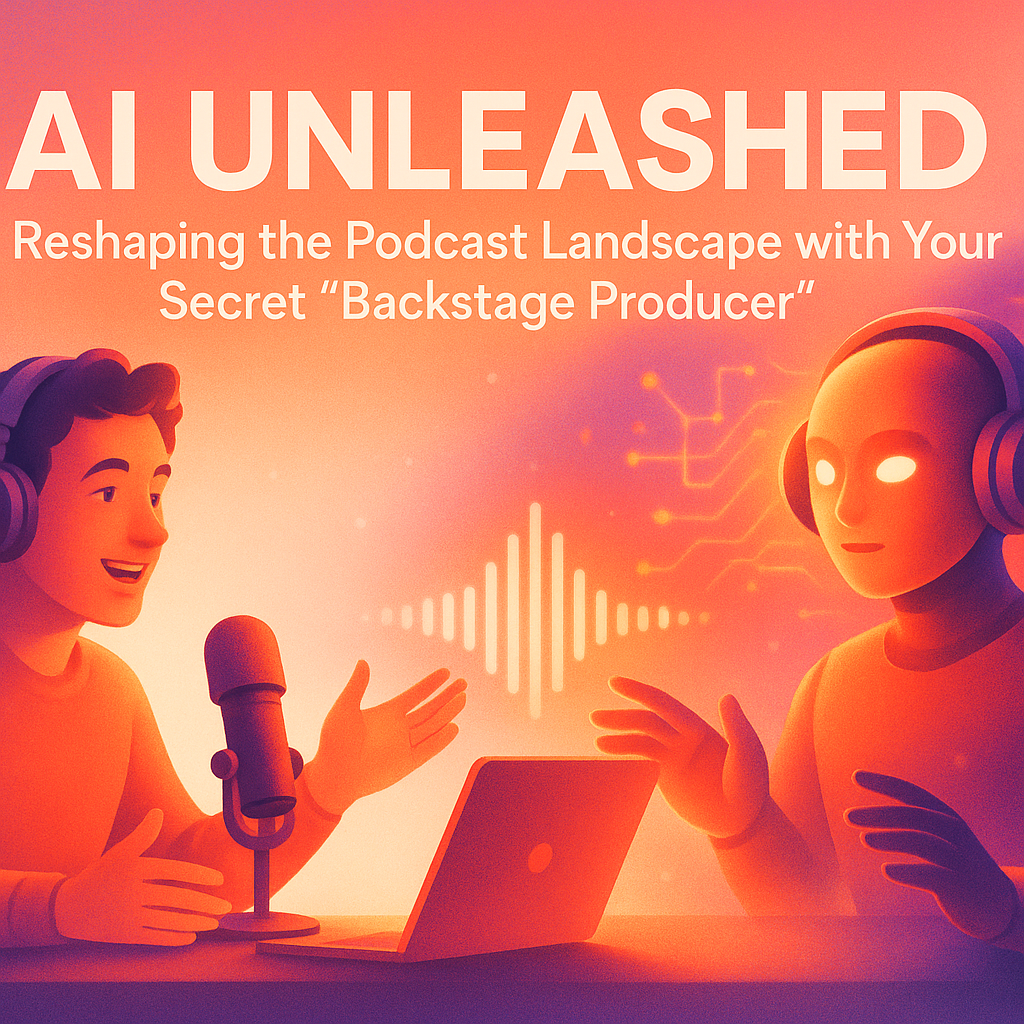


Hey there future enthusiasts, strap yourselves in, because we’re about to traverse the ever-exciting realm of advanced technology. Today’s topic of discussion? ChatGPT – OpenAI’s bold and unabashed foray into the world of digital assistants. Now, you might be thinking, “Yet another AI?” But hold your horses, because this one’s aiming for the stars. Combatting the mainstream idea of AI, OpenAI is striving to transform ChatGPT from a mere chat tool into an unparalleled turbo-charged assistant. Your new digital confidante, if you will. An entity promising to revamp your entire online life experience, from emailing to phone to external applications and beyond. But instead of my ramblings, how about we delve deeper and see what’s cooking?
Firstly, the idea behind this plan isn’t new. We’ve had digital assistants aiding us for years. From reminding us about meetings to suggesting the quickest routes to work, they’ve been integral in making our lives simpler. But OpenAI wants to step up the game. The envisioned super-assistant isn’t just another name in the crowd, it’s set to be a tool that understands you, one that can prioritize your needs and wants over everything else. A digital assistant that could potentially manage your to-do list, emails, and calendar? Now that’s something to be thrilled about!
The concept, as ambitious as it sounds, isn’t outside of the realm of reality. A peek into the OpenAI memo indicates the groundwork has already been laid, with people from diverse demographics already using and depending on ChatGPT.
But like anything brand-spanking-new, it’s not without its challenges. ChatGPT still struggles with understanding time, occasionally creates facts that aren’t grounded in reality and even churns out some downright bewildering answers. Have the folks at OpenAI announced a fix for it? Not yet. But the roadmap seems clear – they must either upgrade ChatGPT to meet these hurdles head-on or convince users that such irregularities are a small price to pay for the added
convenience.
What’s critical to remember here is that OpenAI isn’t just developing a chatbot. It wants to transcend past the ‘bot’ and be an omnipresent, emotionally intelligent entity that acts as your digital sidekick. Sounds dramatic, doesn’t it? But depending on who you ask, it’s either exciting, terrifying, or maybe even a bit of both.
Now that we’ve taken off our consumer hats, let’s put on our behemoth brand goggles. As we walk towards an increasingly digital future, this lucid dream from OpenAI could indeed shake up the online experience. Brands could tap into the enhanced capabilities of this
super-assistant to tailor their advertising, marketing, and CRM strategies. In a dramatically shorter amount of time, they could gather substantial, critical insights into user habits, preferences, and behaviors. This could result in unparalleled product
personalization, pinpoint audience targeting, and significantly improved customer relations.
On the flip side, with a new digital entity handling everything from emails, calendars, to even third-party tools, brands could potentially lose direct contact with their consumers. In essence, they might need to go through this super-assistant to interact with their audience. This could entail thoroughly rethinking the way they conceive and implement their digital campaigns.
So, let’s sit back and watch as this unfolds. Is ChatGPT going to be the trailblazer that redefines our digital experience? Or will it merely be a stepping stone to something even grander? Only time will tell. But for now, it’s clear that the possibilities are
mind-boggling. And change, dear readers, is indeed coming.