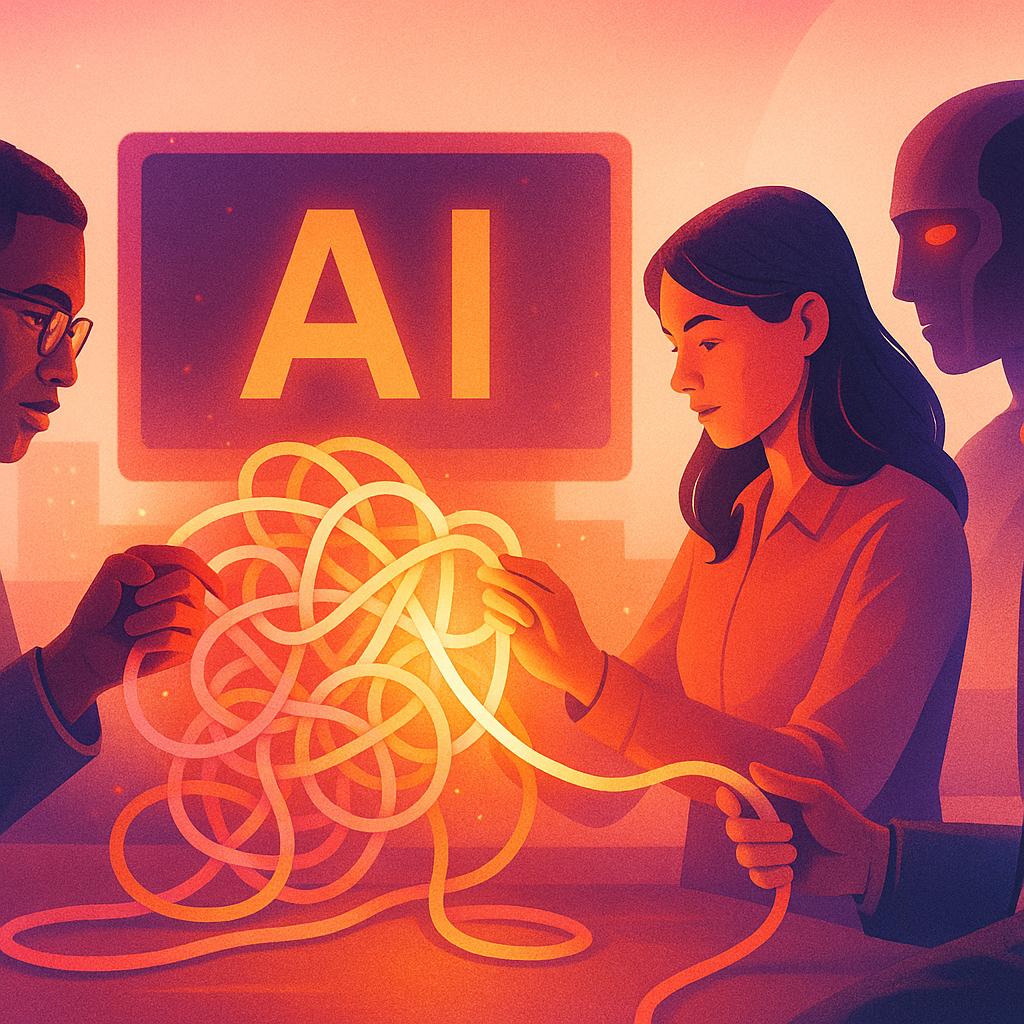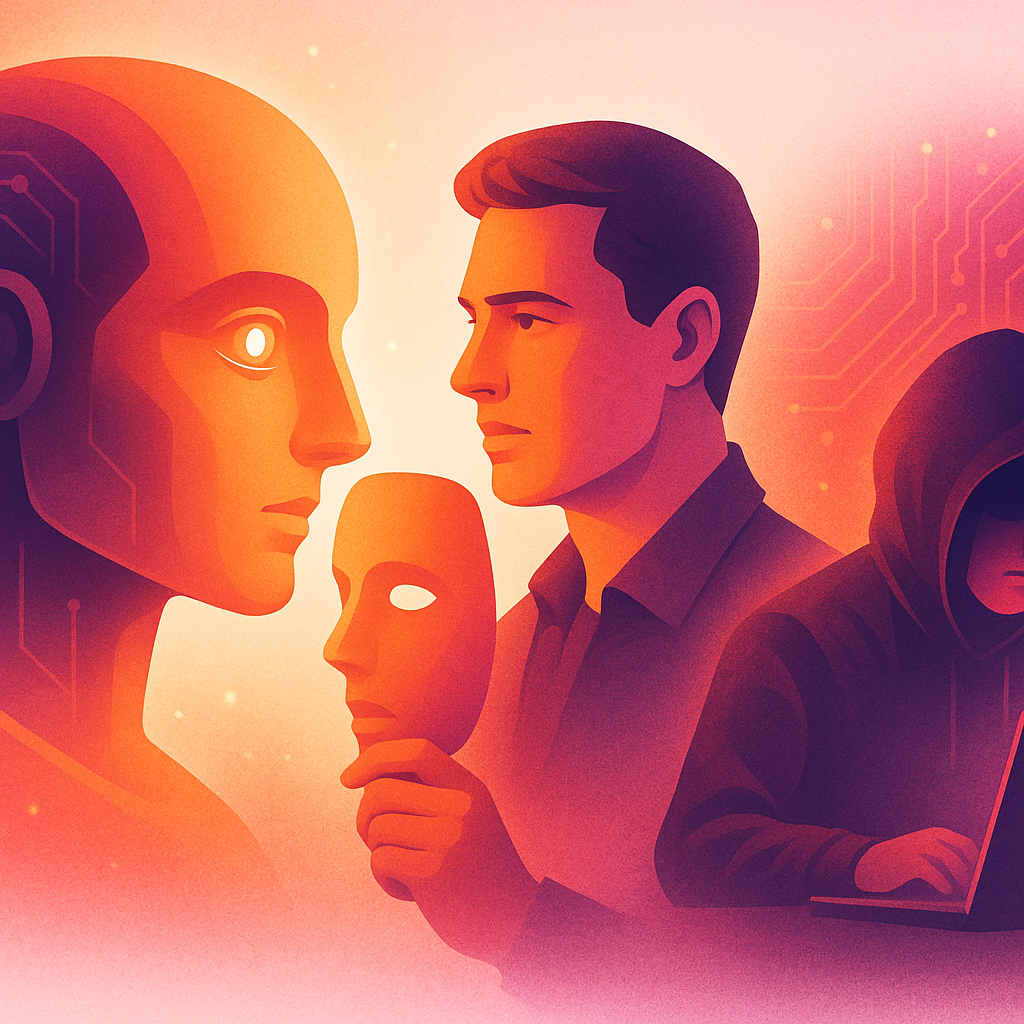
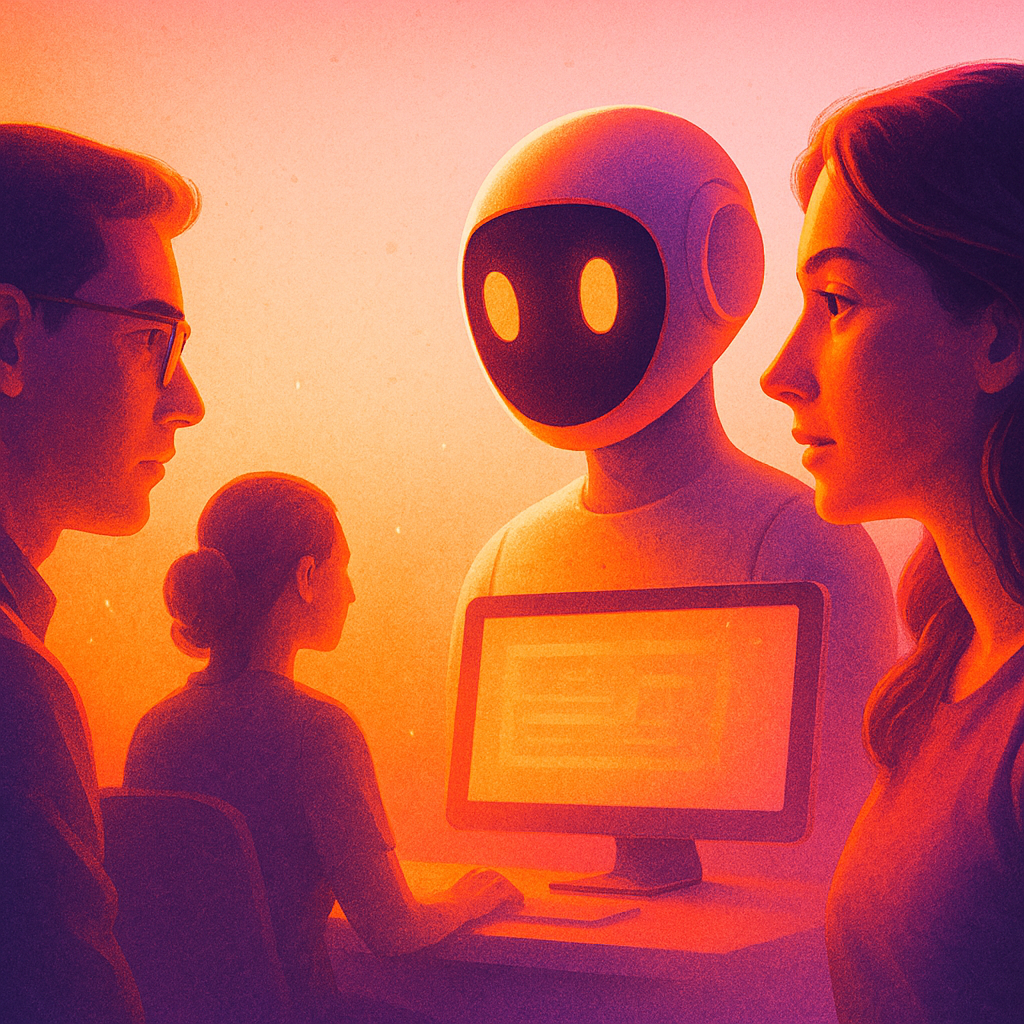


You might have heard it increasingly over the last few years: the term ‘Artificial Intelligence’ or ‘AI’ even if you’re not directly involved in tech-related jobs. It’s not just corporations and tech geeks that are sailing on this ship – the flood of programming and software development has reached the common consumer market.
And we’re not simply talking about your Spotify or Netflix algorithms that predict your next favorite song or show, we’re witnessing a whole new era of AI that is catering to the human aspects of identity and emotion, something previously thought to be solely a human trait. This week’s winning AI prompt: ‘Transform your Identity into Visual Poetry with AI’ shows just how far we’ve come, reimagining the capabilities of the technology we once thought was just for creating spreadsheets or improving operational efficiency.
The current epoch is all about user-centered design. In the past, when creating art, the attributes of tone, style, personality, and interests had to be painstakingly crafted by traditional artists, a lengthy and laborious process. However, the fusion of creative direction with AI automation is greatly expediting this process while impeccably capturing intricate human details.
Imagine telling an AI to make an image of you and it doing more than just making a snapshot. What if it could make an image of not just your face, but your soul? Of not just your outward appearance, but your hidden trials and triumphs, your culture, your mood, and your personality – all portrayed through an exquisite, Ghibli-style illustration with subtle hints of you interwoven in it. It’s no longer about accuracy; it’s about expression.
The subtlety embedded in this new wave of AI doesn’t just place an image with a fancy filter, it learns, recognizes, and emulates your identity. It goes from “make me look cool” to “make me look like me.” Such a shift in the perspective is truly revolutionary.
Does this matter? Absolutely. For consumers and businesses alike, the implications are enormous. Let’s consider consumers first. Every social media platform thrives on user content. But for users, content creation is time-consuming and requires not only creativity but also the technical skills to make that content visually appealing. This new development in AI could greatly simplify this process, creating more engaging content and helping users to project their identity in a more unique and curated way.
For businesses of all sizes, the significance of this cannot be understated. Companies have long sought ways to personalize and enhance their brands for a more meaningful connection with consumers. From advertising strategists to graphic designers, imagine equipping your brand with this AI to create a more resonant and engaging brand identity. Personalized visuals with key emotional, cultural, and introspective elements weaved into them provide a deeper connection with consumers.
Imagine a shoe brand advertising its product not just with
high-definition, eye-catching images, but with visuals that capture the essence of what it means to be a runner – the persistence, the drive, the early mornings, the euphoria of crossing a finish line. Businesses with this AI capability will be able to tell their brand’s story in a more emotionally resonant manner than ever before.
This shift in technology doesn’t just represent an evolution in AI – it signals a revolution in how we think about technology as an extension of our own identities. So, let the AI make you look like you – and may that look be extraordinary.