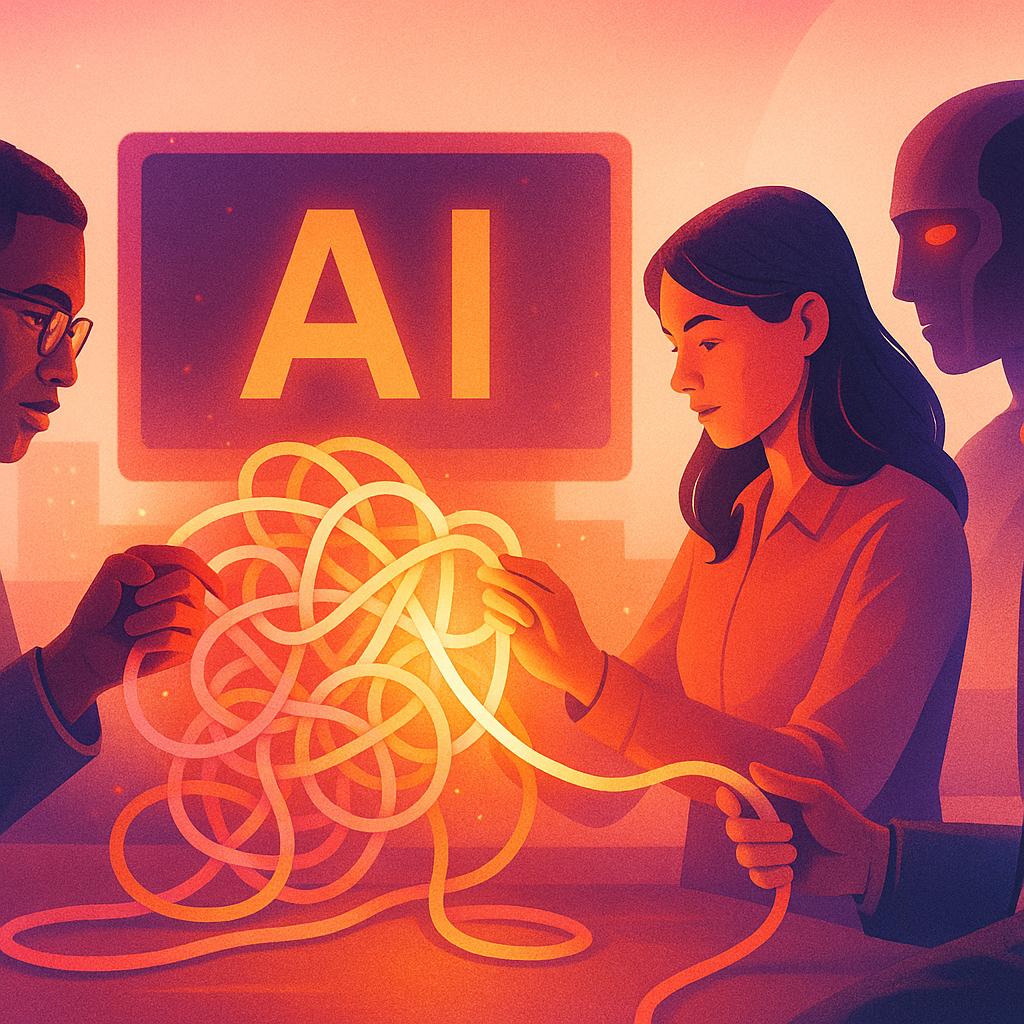



AI advancements are reshaping the world of advertising and consumer engagement like never before, with Meta leading the charge by introducing a groundbreaking image-to-video tool. This innovation allows marketers to seamlessly transform static product images into dynamic video ads, complete with music and text overlays. As Meta intensifies its focus on AI-driven solutions, the implications for brands and consumers alike are profound.
In a landscape where content creation and advertising play pivotal roles, Meta’s AI tool stands out as a game-changer. By streamlining the video ad production process, businesses, particularly small enterprises, can now allocate more resources to enhancing their presence on Meta’s platforms. This shift not only empowers advertisers to reach wider audiences effectively but also underscores the growing influence of AI in shaping consumer interactions.
Similarly, Google’s integration of AI-generated audio summaries into search results illustrates the evolving nature of user experience in the digital realm. With the ability to access concise overviews through audio formats, users are provided with a seamless way to engage with information. However, this advancement also raises questions regarding the impact on traditional content providers, highlighting the delicate balance between AI technologies and established content dissemination channels.
Beyond advertising and search functionalities, AI is making waves in the entertainment industry as well, with Wimbledon leveraging IBM Watsonx to enhance fan experiences during the prestigious
Championships. Real-time chat features and win projections powered by AI not only enrich the viewing experience but also demonstrate how technology can augment engagement and interactivity in sports events.
On the media front, the convergence of AI and entertainment is exemplified by Hollywood studios embracing generative video solutions offered by AI startups like Runway. As AI-generated content gains traction, the line between human creativity and artificial
intelligence blurs, opening up new possibilities in content production and storytelling. However, the proliferation of AI-generated music on platforms like YouTube and Spotify also underscores the need for transparency and ethical guidelines to maintain consumer trust.
As AI continues to permeate various industries, consumers and brands are presented with both opportunities and challenges. The increasing reliance on AI tools for content creation, advertising, and user engagement underscores the need for ethical considerations,
transparency, and user empowerment. Navigating this AI-driven landscape requires a balance between innovation and accountability to ensure that consumers are not only informed but also empowered in their digital interactions. In a world where AI is redefining boundaries, staying informed and engaged with these advancements is key to realizing the full potential of technology in shaping the future of consumer experiences.