

Hello, fellow tech enthusiasts! There’s a seismic shift occurring under our feet, a profound wave cresting in the sea of the Artificial Intelligence (AI) world that’s bound to have extensive implications for consumers and brand owners alike. Hang in there with me, as we delve deeper into this wondrous world of AI, where fact often surpasses fiction.
In recent news that’s buzzing in the AI circuit, artificial
intelligences can now legally train on copyrighted books! While it might just seem like another anonymous ruling in the vast annals of litigation history, its repercussions are anything but
inconsequential.
Picture this; you’re an author who just published a bestseller. One fine day, you wake up to the news that a highly advanced AI, blessed with the ability of machine learning, has taken up your book as its training regimen. And in a turn of events that should write a chapter in AI and intellectual property law textbooks, it turns out to be entirely legal! A U.S. federal judge, siding with AI company Anthropic, recently concluded that using published works for AI training without the consent of the authors falls under ‘fair use’.
The ‘fair use’ doctrine, a relatively archaic part of copyright law dating back to 1976, is wielded to decide if copying something sans permission is admissible in certain scenarios. However, the legal landscape of ‘fair use’ as we know it has just morphed irreversibly, empowering AI development, thanks to this decision.
The verdict, being the first of its kind, certainly sharpens the means with which AI can learn, innovate, and most importantly, derive from the expansive web of data. It has pushed fair use’s boundaries, presenting a powerful defense in future engagements over intellectual property rights involving AI.
As a result, creators and copyright holders, including authors, artists, and publishers, now face a trickier landscape. This legal precedent could, potentially, tilt future cases in favor of Big Tech, escalating their ongoing tussle with creators over rights and royalties.
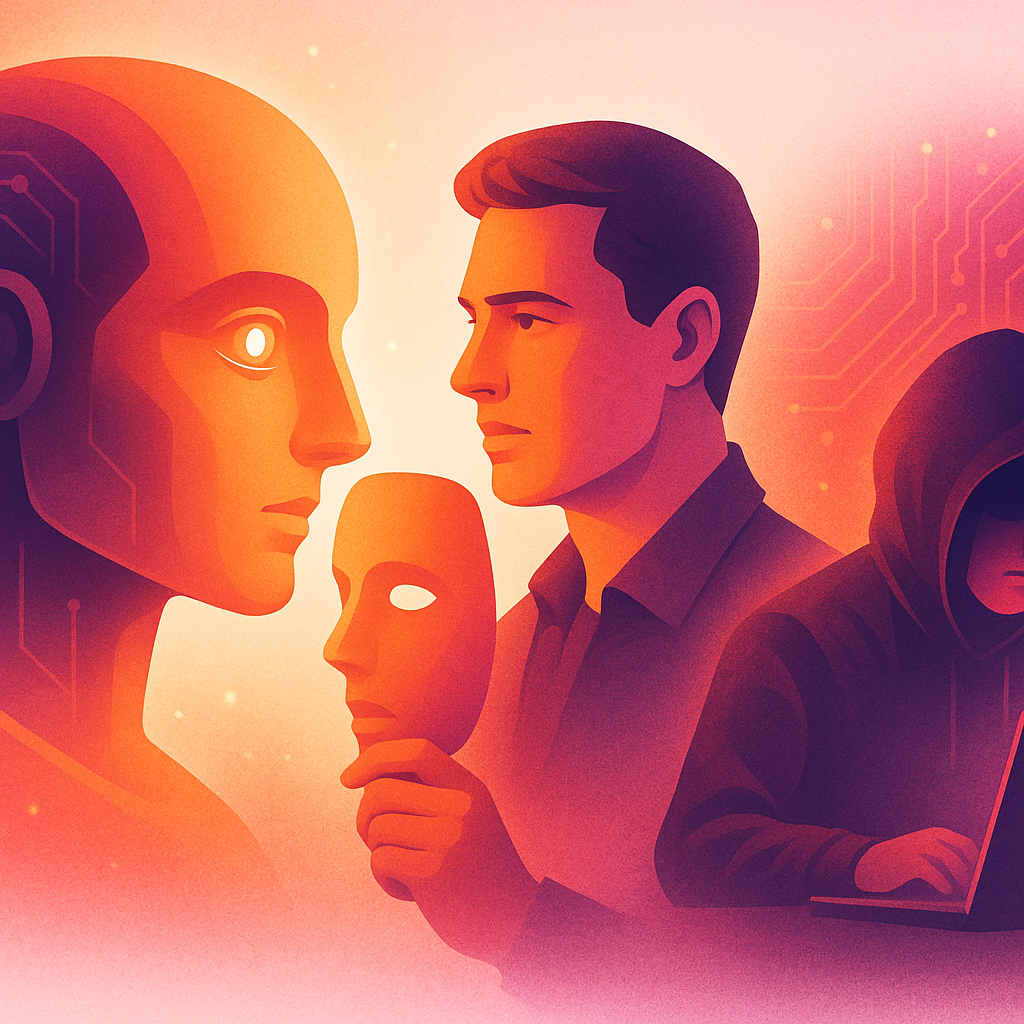
Despite this victory for AI in the court, the methods employed by Anthropic to acquire the copyrighted content were deemed questionable, particularly their use of pirated content. The court is yet to rule on matters concerning damages owed for utilizing pirated material.
Shifting our gaze from the legal landscape to the tech industry, Google’s AI branch, DeepMind, is traversing new frontiers with its Gemini Robotics On-Device model. This advanced AI, designed to run directly on robots, promises to significantly elevate robotic autonomy. Unhindered by nasties of latency or data privacy, these robots are equipped to execute tasks locally, sans an internet connection.
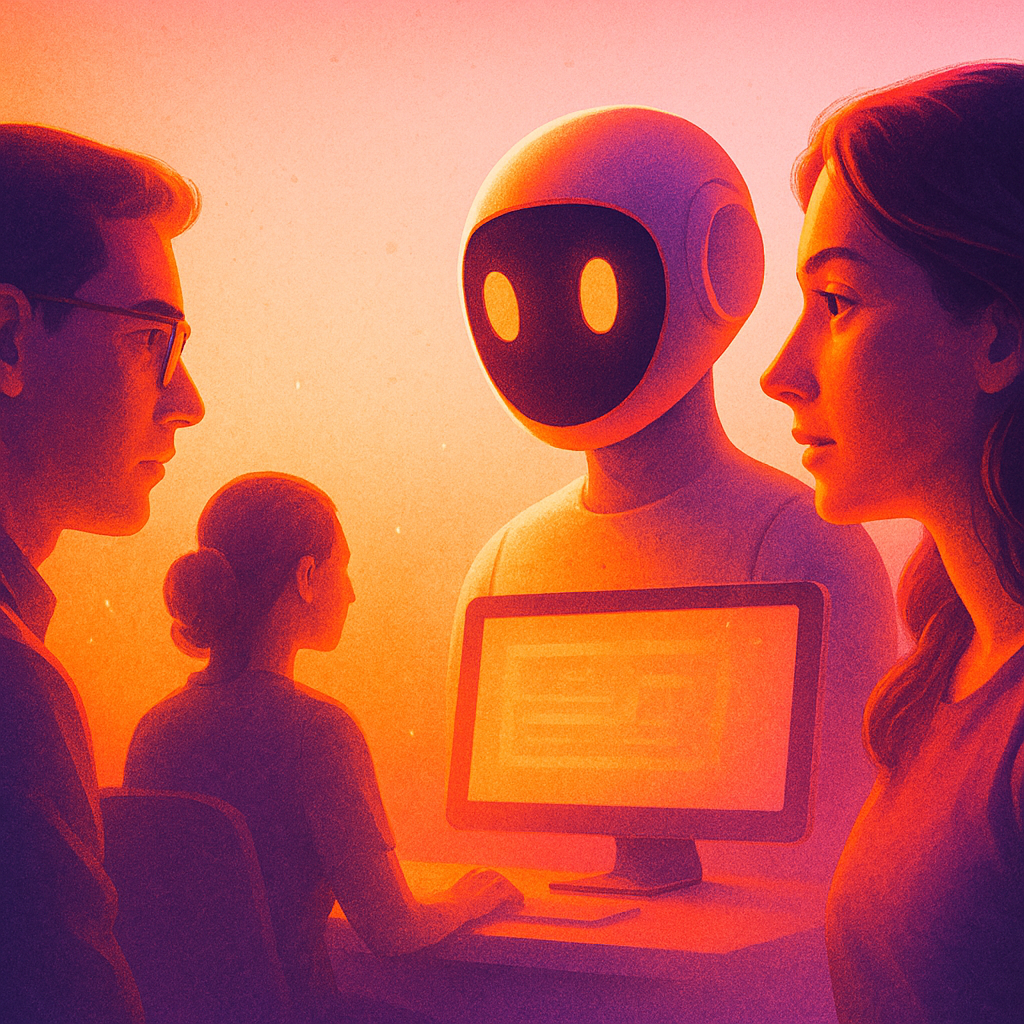
Its applications promise to be extremely useful, with tasks spanning from unzipping bags to folding clothes. Given our increasingly digitized world, this development could offer much-needed enhancements to consumer automation experiences. Large brands could capitalize on this technology to streamline their industry-specific tasks and provide efficient solutions to their customers.
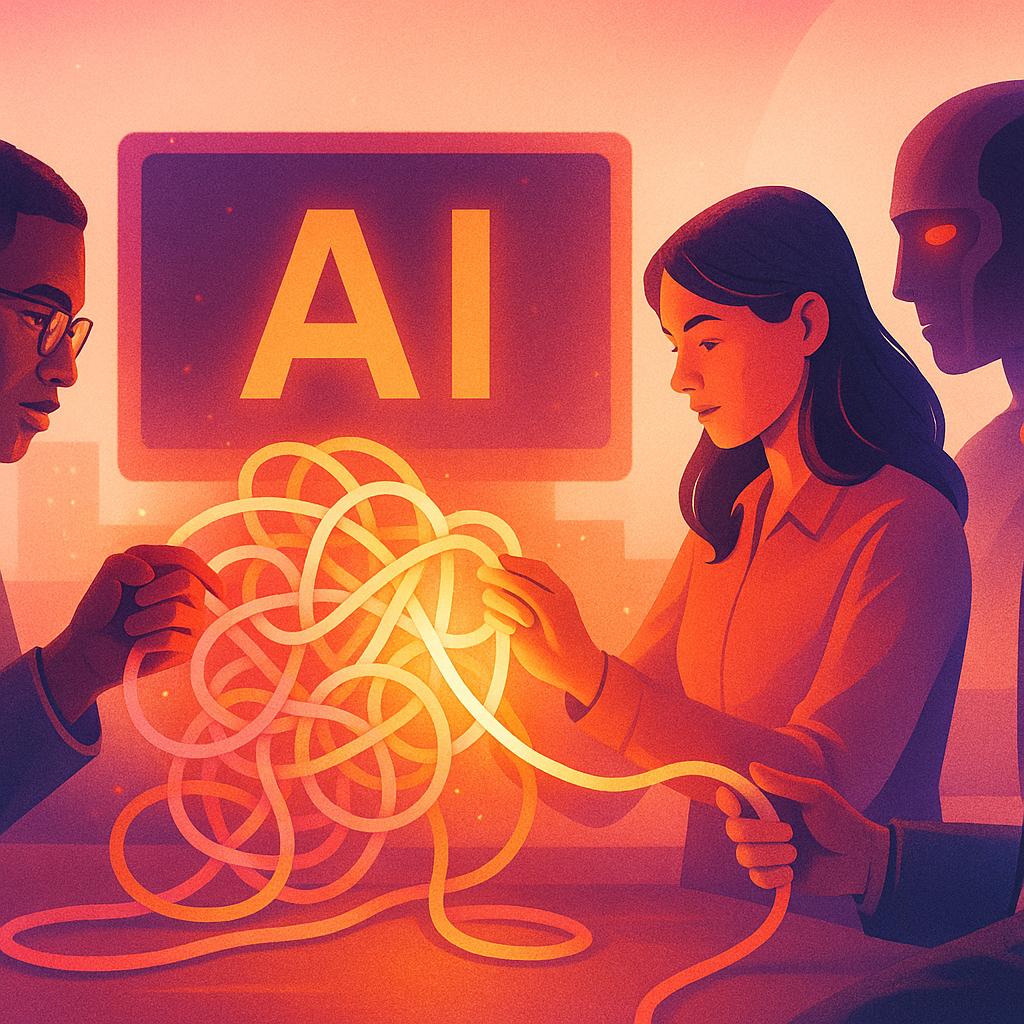
Transformative as these advancements may be, they also bring along a complex array of challenges and debates. What does this mean for authors and artists whose works are now freely accessible training grounds for AI? How will this reshape the intellectual property laws sculpted carefully over decades? Will brands have to rethink their consumer strategies and copyrights with the proliferation of AI?
These topics, as intriguing as they are intricate, have germinated seeds of discourse that will grow and shape the road ahead of AI. The horizon of AI technology is brimming with potential, and this news has opened floodgates of opportunities, implications, and intriguing conflicts that we’ll continue to navigate together. Stay tuned!