

In the ever-evolving realm of technology and media, it’s not infrequent to see bold headlines that leave consumers and industry professionals alike scratching their heads. Trends are bubbling up and receding, merging with others, and continuously reshaping our everyday consumption patterns. Allow me, your humble guide, to connect some head-scratching headlines and mainstream consumer trends as we unlock the puzzling future of Artificial Intelligence (AI).
Let’s kick off with the recent stir caused by Netflix’s controversial decision to retain a director, despite noticeable shareholder opposition. Now you might be wondering, “What has that got to do with AI?” Sit tight, pals! We’re just setting the stage.
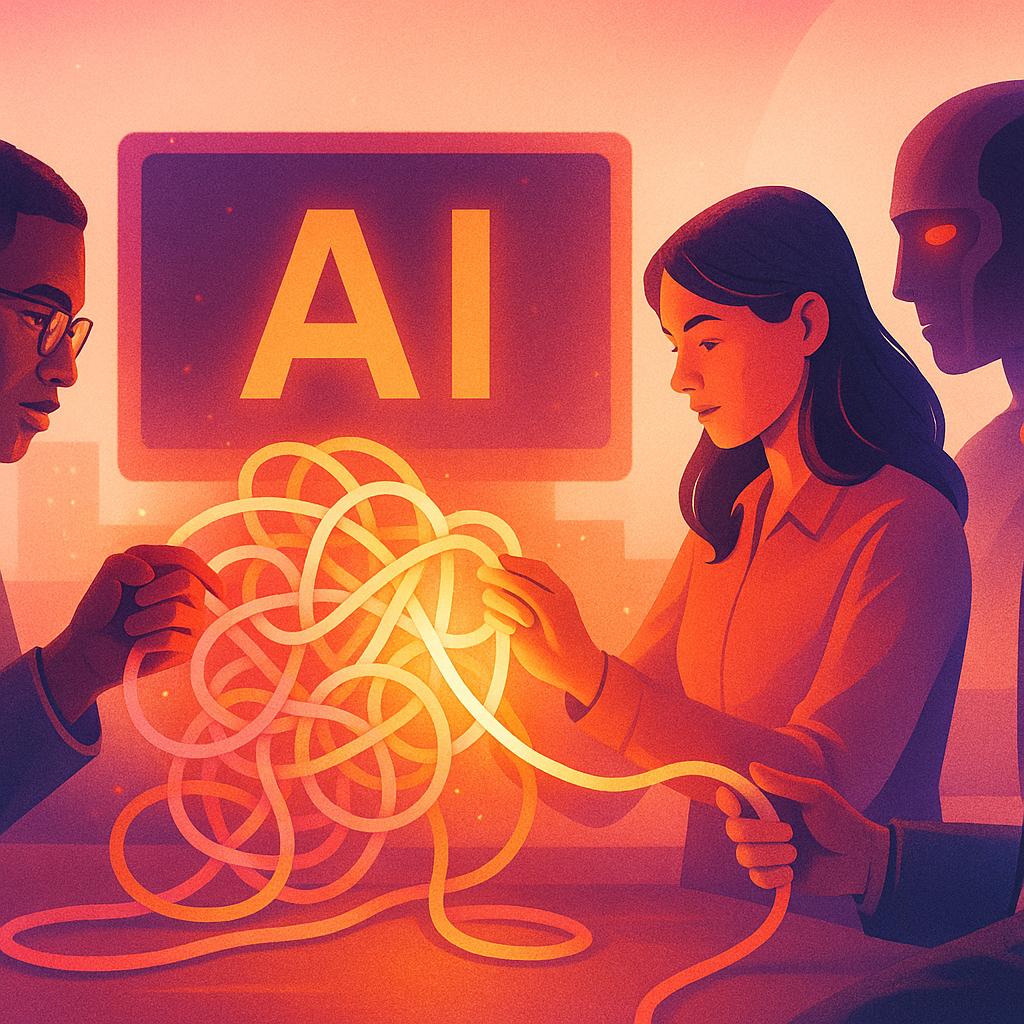
This incident illustrates a common theme across industries: the balance of power. Traditionally, companies answered to their shareholders. Still, we’re seeing a shift, with companies like Netflix appearing to prioritize creative control over shareholder consensus. Now relate this to the future of AI and you’ll find that this balance of power could influence how we direct AI technology.
Think of AI as a director of sorts. As AI develops, it’s not far-fetched to envision more sectors—similar to entertainment—where technology takes the helm. However, this raises questions about who holds the reins. The balance of power could sway a lot. As we embrace the AI revolution, this precedent might shape the relationship between AI developers, consumers, businesses, and regulators.
But wait, there’s more for your tech-obsessed minds. Remember the curious tale of Microsoft’s AI partnership with OpenAI? Well, the perceived dominance of Microsoft in the AI field rests on unstable grounds. OpenAI could effectively leave Microsoft by claiming Artificial General Intelligence (AGI) status – a state where AI’s intelligence surpasses human intelligence. Now, this means Microsoft could lose out on OpenAI’s advanced technology despite it
significantly contributing to their market standing.
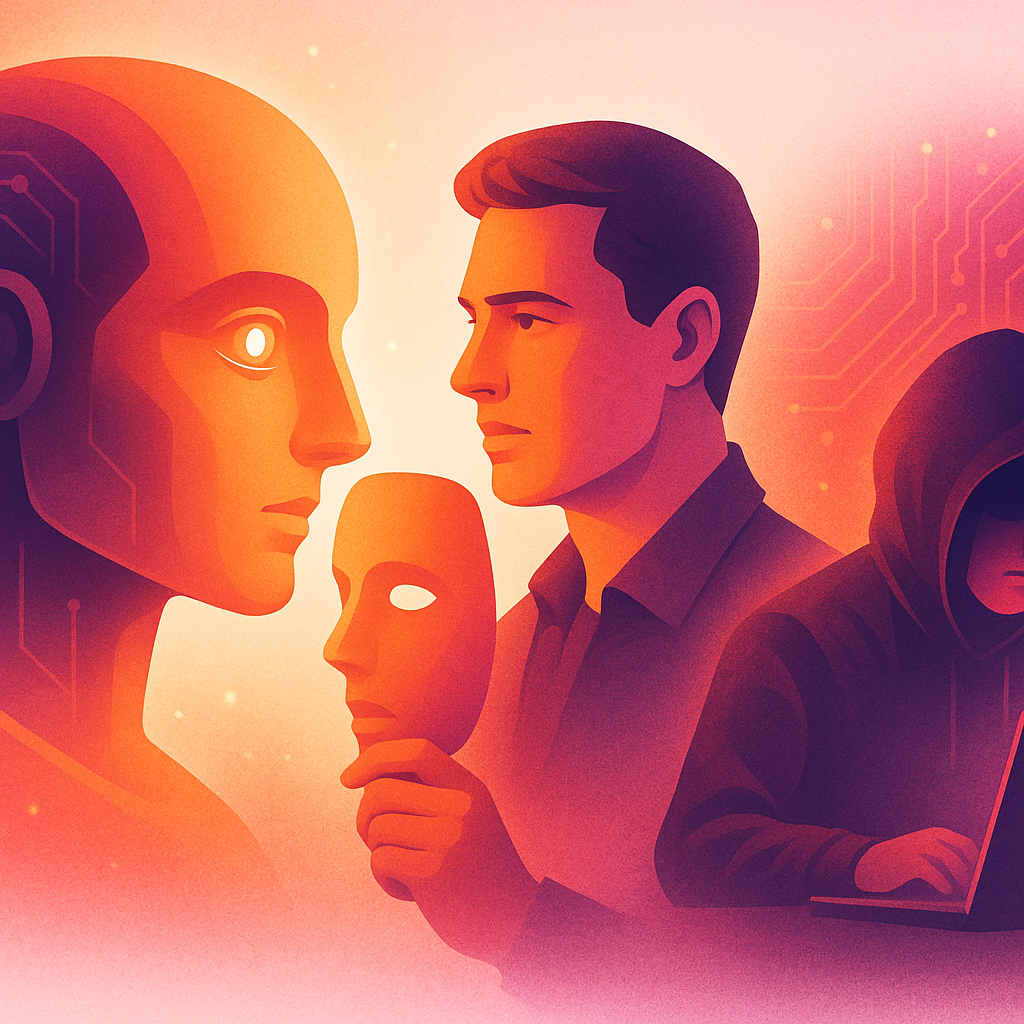
Here’s the catch, though: How do we appropriately measure AI intelligence? And what happens when an AI decides it is smarter than us? Rapid advancements in AI technology are blurring the definitions of artificial and human intelligence. However, they’re also paving the way for organizations to reconsider their AI strategies and consumers to re-evaluate the technology they use.
Lastly, Google, a household name for all things ‘internet’ these days, seems marginally dislodged from its desirable position amid concerns about AI’s impact on search and antitrust uncertainties. This rings alarm bells for the importance of transparency. Will we continue to trust Google with our data when we don’t fully understand AI’s decisions? These debates are signs of an era in which faith in AI will hinge on readability and reassurance provided by companies.
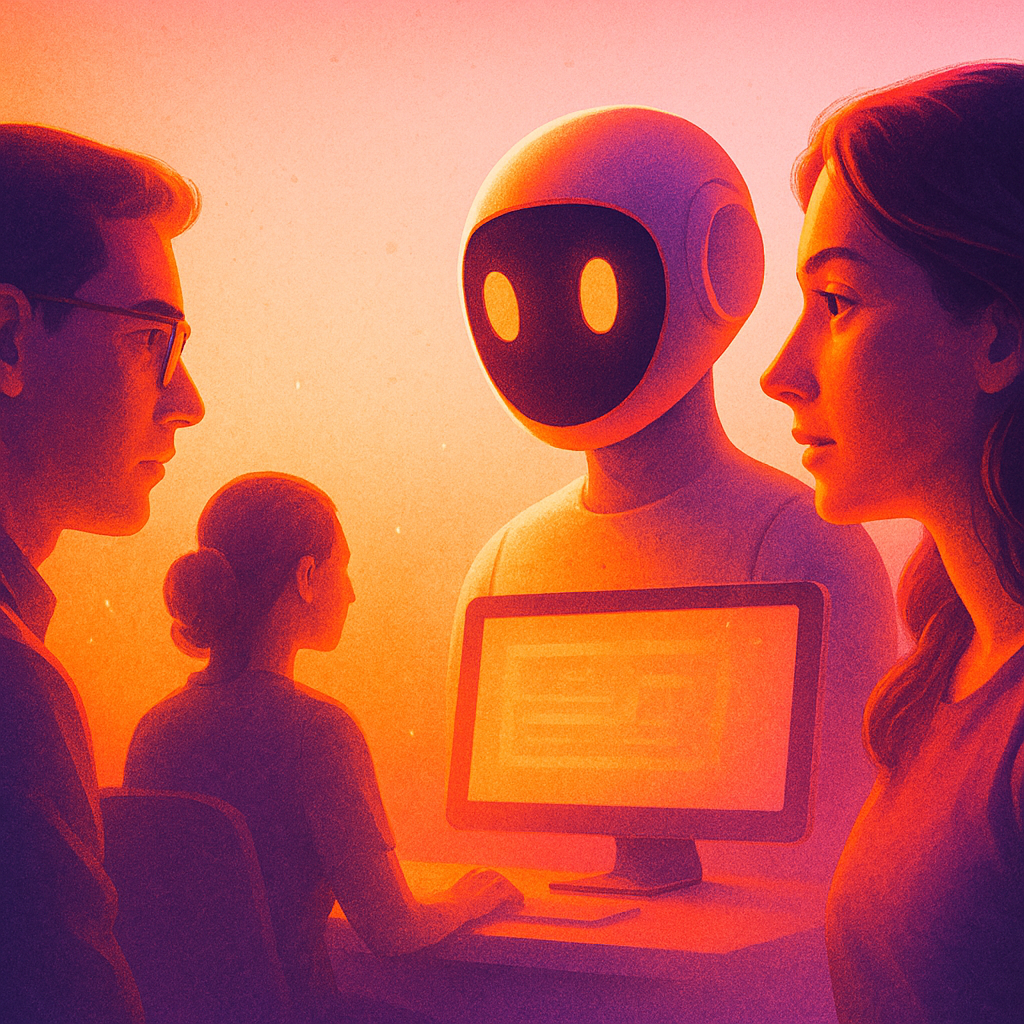
So, what do Netflix, Microsoft, and Google tell us about the mainstream trends shaping the AI industry? They all likely hint at a future of AI marked by reconfigured power dynamics, mercurial alliances, and an ever-increasing need for transparency. Strap in folks, we’re on a thrilling ride into the future of AI, powered by these dynamic elements. It sounds pretty exciting, doesn’t it? Challenging, unpredictable, yet undoubtedly thrilling- we’re curious to see where this journey leads us!