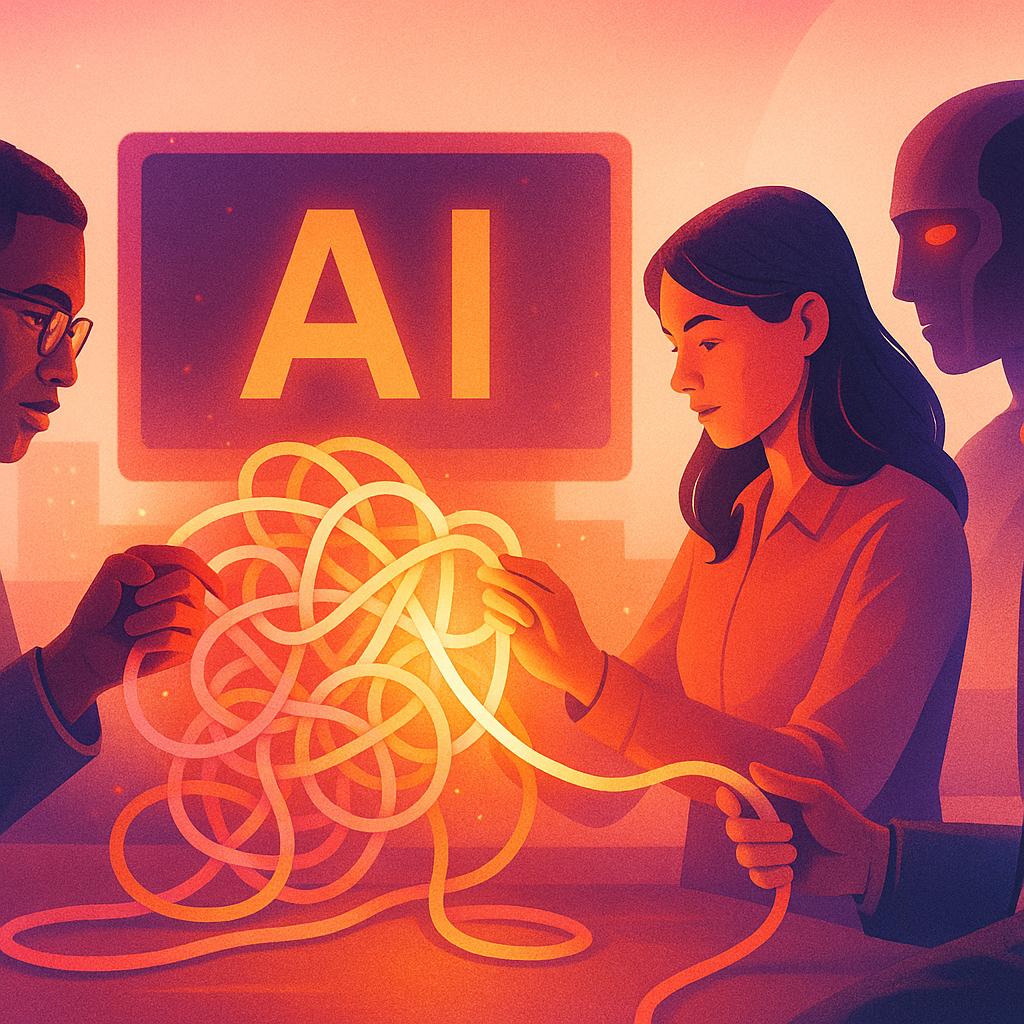



Navigating the feverish bidding wars in the AI sector might feel a bit like standing on the trading floor of the New York Stock Exchange – it’s volatile, competitive, and the stakes are incredibly high. The highlight of this high-stakes game is Meta’s struggle to retain AI talent, recently escalating amidst skyrocketing offers and an undercurrent of internal disgruntlement.
Picture this: You’re an accomplished AI researcher at OpenAI, a rising star in the astoundingly lucrative industry of artificial
intelligence. As the valuation of your company skyrockets, so does the paper worth of your equity. And then comes a call that can disrupt your plans drastically. It’s Mark Zuckerberg, orchestrating a massive recruitment drive for his embattled AI lab.
In today’s high-tech, highly competitive world of artificial intelligence, even multi-million-dollar offers have lost their stunning impact. Just a decade ago, a job offer worth $400,000 seemed mind-boggling. Now, the landscape has changed so dramatically that a $25 million offer is often met with a polite rejection.
This is the theatre of Tech Wars, where wealthy corporations engage in a bid of astronomical proportions to scoop up artificial intelligence talent. Meta’s struggle is emblematic of an industry-wide hunt where fat paychecks, no matter how colossal, aren’t necessarily all that attractive to potential recruits. The game has evolved. It’s no longer just about the money, but the purpose, impact, and growth trajectory that a company offers.
The conundrum doesn’t end there. As companies like Meta offer eye-watering sums of money to attract new talent, they face another challenge from the inside. Their existing employees have begun to show signs of resentment, motivated by pay disparity. It seems that the salary gap between the old guards and the new recruits have sown the seeds of internal discontent. The solution? Handing over generous helpings of added equity to pacify the miffed employees.
It’s not only Meta who’s wrestling with these issues. Murmurs of resentment have begun to oscillate within the corridors of OpenAI too. Tales of employees contemplating throwing ‘hissy fits’ to secure a retention bonus highlights the internal discord and the complex dynamics of managing AI talent.
Looking at these narratives unfolding in the AI sector, it’s clear that we’re not simply dealing with the recruitment or management of professionals here. It’s more than a rivalry between corporations or an auction for the most brilliant minds. It’s about the emerging trends in retaining talent, nurturing innovation, and ensuring the longevity and relevance of a company’s mission.
This tug-of-war over AI talent serves as a cautionary tale for industries across the board. It illustrates the importance of building a robust talent recruitment and retention system that goes beyond mere monetary compensation. A company’s culture, vision, benefits, and, most importantly, the feeling of making a collective impact matter as much as a hefty paycheck, even more, when navigating the complex roadmap of the future.
So, as we watch the AI drama unfold, with corporates vying for dominance in talent acquisition, let’s remember one thing: Retaining, engaging, and nurturing talent is as crucial as recruiting it. An inclusive culture, a clear vision, and empathetic leadership can be the greatest assets in this high-stakes game. Perhaps it’s time to invest in those.