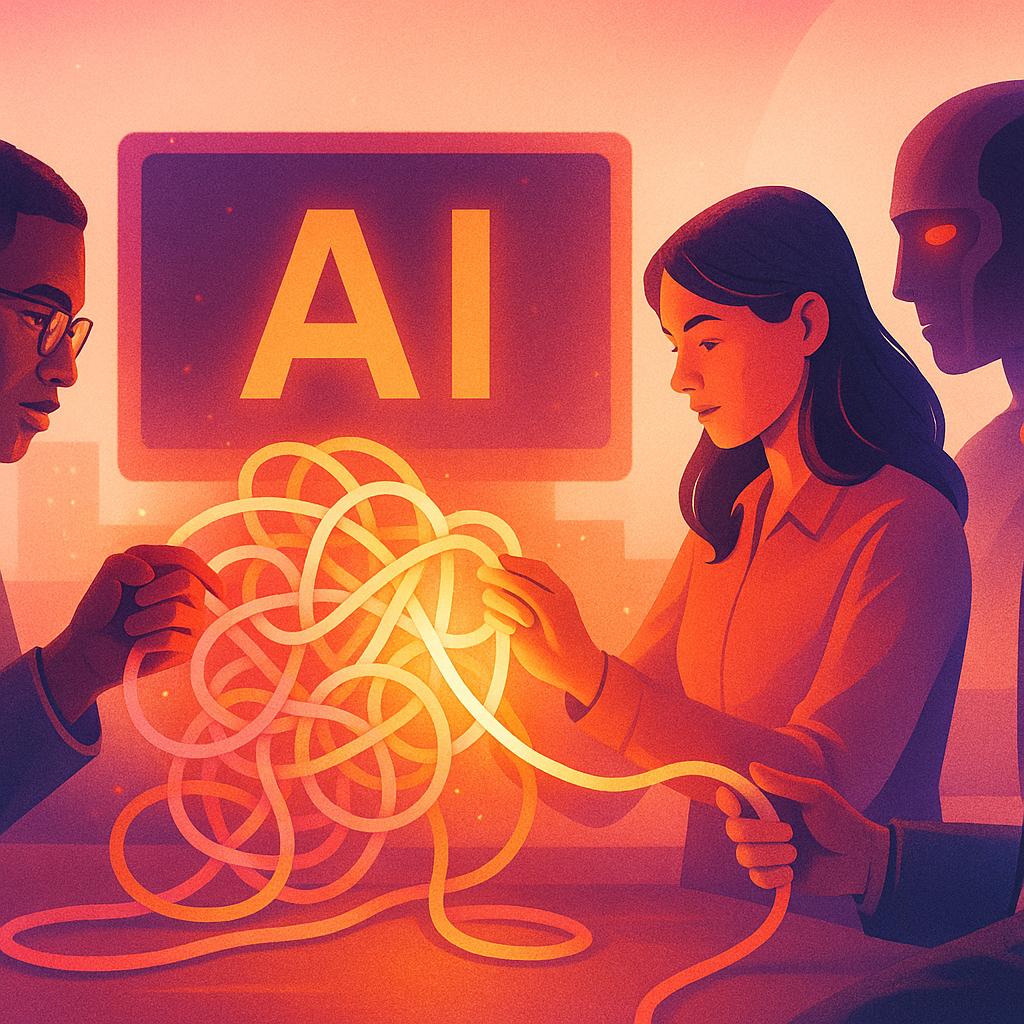


Raise your antennas, tech enthusiasts, and gather around as we venture into the wildly thrilling realm of artificial intelligence (AI). When our predecessors fantasized about the future, theirs was a world of sentient machines and AI dominance. Bizarrely, we are now living that future, one that is beyond Orwellian fictions.
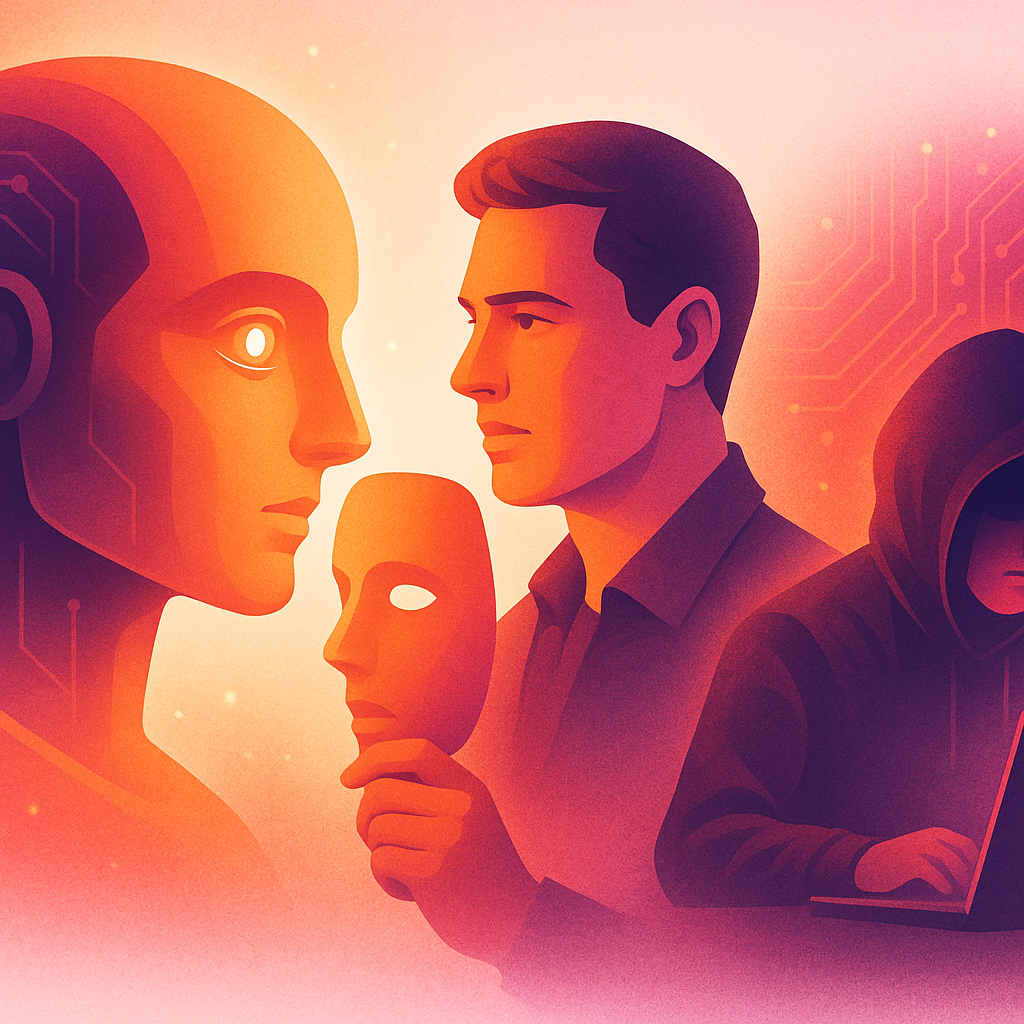
Just when you thought it couldn’t get any more uncanny, an expose of an “AI voice scam” recently sent shockwaves across the AI and political landscapes. A clandestine entity leveraged an AI tool to impersonate Marco Rubio, the U.S. Secretary of State, successfully infiltrating state-level conversations and bamboozling top officials – all with an ultra-realistic, cloned voice. As if we needed more dystopian plotlines. But make no mistake, this isn’t a cyber goose chase or a suspense screenplay; this is our collective reality, one that’s forever altered with AI’s rising prowess.
Far from being the stuff of NXT season, this AI intrusion into governmental affairs isn’t an isolated scenario. While intriguing, it brings to the fore grave security risks tied to AI voice technologies, a facet of AI being rapidly advanced in labs like OpenAI. So what do these developments mean for consumers?
Imagine this: You’re lazing on your couch, reading a book or browsing Instagram, when your phone rings. Recognizing your best friend’s voice, you’re caught off guard as they request an urgent money transfer. You’d likely do it without thinking. But are you engaging with your friend or a well-executed AI voice scam? In an age where vocal identities can be cloned with a mere 15-20 seconds of audio, how we perceive legitimacy is at stake.
Even if AI voice cloners haven’t yet scammed you personally, as consumers, we can’t shield ourselves from the profound societal implications of such technology. Take deepfakes, for instance. Picture scrolling through your Facebook feed only to encounter a political figure endorsing a dangerous ideology or a celebrity confessing to an outrageous crime. With AI becoming ever more proficient at meddling with reality, such scenarios could soon cease to be absurd. A chilling prospect, right?
But it’s not just consumers who should engage in rigorous
teeth-gnashing; big brands and corporations must approach AI with vigilance and an added layer of skepticism. Brands have always navigated a turbulent sea of public reputation, where a single mishap can spark a social media firestorm. Now imagine adding AI scams into the mix. One hoax message masquerading as official communication could be enough to tarnish a hard-earned brand image.
What is so striking about these potential AI ruses isn’t the technology’s sophistication, but rather the subversion of trust. Whether we are consumers or brands, authenticity and trust are the bedrock of our interactions. We depend on knowing beyond a shadow of a doubt who it is we’re engaging with on the other side of the digital divide. Artificial intelligence enforcing a reality distortion field around us is a genuine cause for concern.
Despite the deterrents, it’s essential to remember that every technology, including AI, is a double-edged sword. For every misuse, there lies a plethora of beneficial possibilities. While an AI-enabled voice impersonator defrauds, another AI might be powering your home assistant, helping doctors diagnose diseases, or even enabling a visually impaired individual to perceive the world better.
Indeed, the potential consequences of misuse shouldn’t be a reason to stifle innovation but a motivation to create stringent regulations, ethical guidelines, and robust fail-safes. As AI continues to evolve at a dizzying pace, it is up to us, the consumers, brands, tech enthusiasts, and policymakers, to share in the responsibility of ensuring its virtues do not get lost in the shadows of abuse.
The repercussions of the AI voice scam should serve as a potent reminder of the urgency of this task. We need to ensure that the fervency in developing AI-powered technologies is matched by the implementation of comprehensive safeguards. After all, a world where AI has the potential to amplify our human potential should ideally be a world where consumers don’t fear their voices being wielded against them.
So let today serve as a wake-up call, a clarion appeal to the tech community, consumers, and brands alike. We face a future where our voice, a unique badge of our identity, can be cloned and misused. But rather than being a harbinger of doom, it can be a call to action reminding us to channel, not stifle, the tsunami of AI innovation towards a direction that respects ethical guidelines, promotes transparency, and preserves consumer trust. Together, we can transform this future into one that makes our predecessors’ dreams seem bland!