

As the world logs on a fast-paced computerized ride, there have been vigorous strides in technology that amaze us every time we flip through technology-centric blogs or products. The emergence of Artificial Intelligence (AI), Machine Learning(ML), and automation has been a hot topic for a while now, and this time the spotlight is on an entrant that we feel is worth a drumroll – IrisGo, a new AI assistant for Windows PCs!
I have just returned from the International Conference on Machine Learning in Vancouver. A breeding ground for the brightest minds crafting the future with AI, this conference proved yet again to be a treasure trove of insights. This year’s highlight was the unanimous revelation of something intriguing: large language models, despite significant progress, are still somewhat shy of meeting expectations.
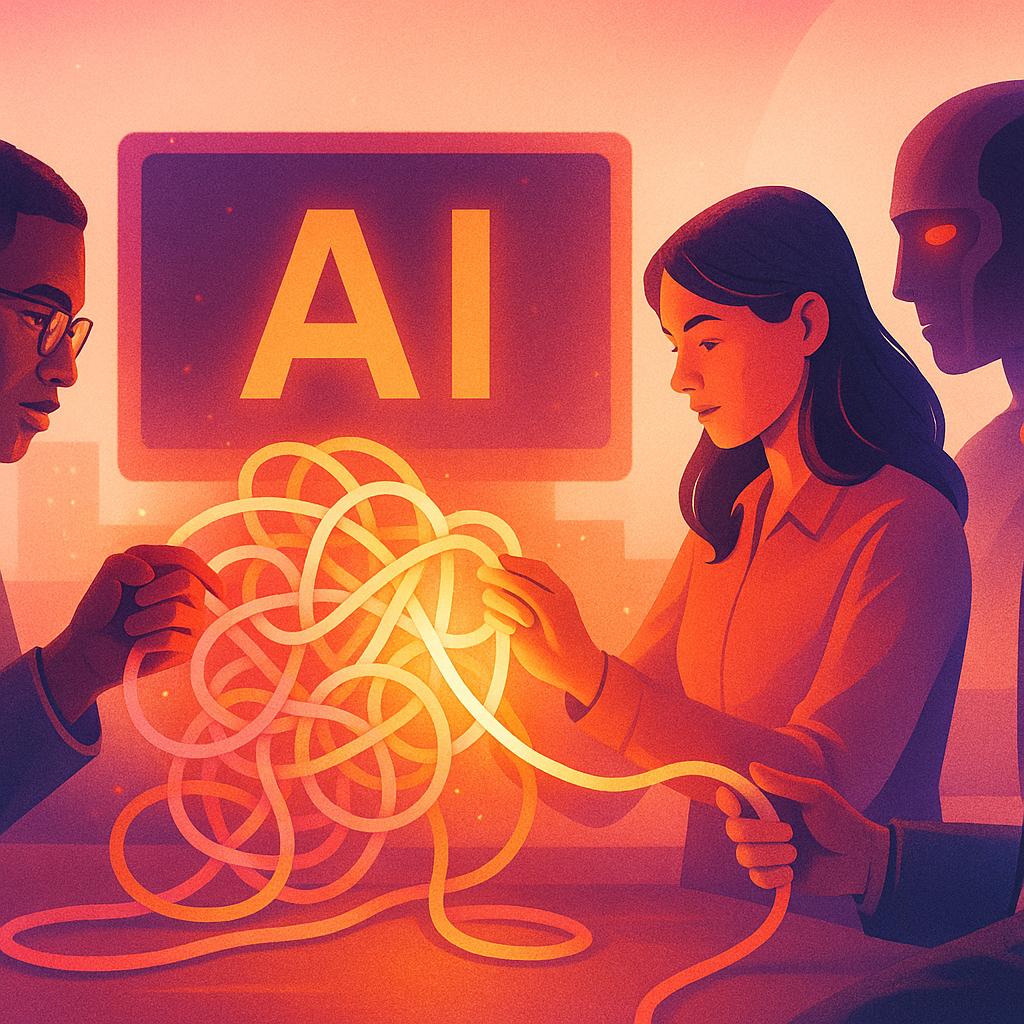
Scientists are diligently working on enhancing AI performance. They are meticulously questioning approaches used over the past year, including the concept of “chain-of-thought” reasoning. This approach attempts to decipher how AI models form answers, resembling human thought processes. However, some limitations came to light when such models had to identify patterns in random letter strings. Rather unsurprisingly, it became apparent that models are not as adept with intuitive decisions as humans are. They tend to ‘overthink’ and consequently miss the mark.
Currently, AI models are text-based, and developing models that can understand and generate images, videos, and audio, otherwise known as multimodality, is yet another hurdle to cross. For instance, generating audio is limited due to memory concerns. Another evident shortcoming exists in comprehending imagery, such as predicting the outcome of actions performed on a physical object.
Interestingly, the pragmatic approach in AI research is increasingly evident. Models are now even tested in real-world scenarios, reflecting the shift in focus from largely theoretical to practical applications. This is where the IrisGo story unfolds.
Remember the disappointment when Apple’s much-anticipated AI upgrades to Siri were pushed back? The difficulty that lies in training AI models for tasks such as navigating menus or filling forms was proven to be more humongous than presumed. This formed the fertile ground for IrisGo, an ambitious project helmed by Jeffrey Lai, a former Apple engineer. His vision for IrisGo? A better Siri, for Windows PCs, no less!
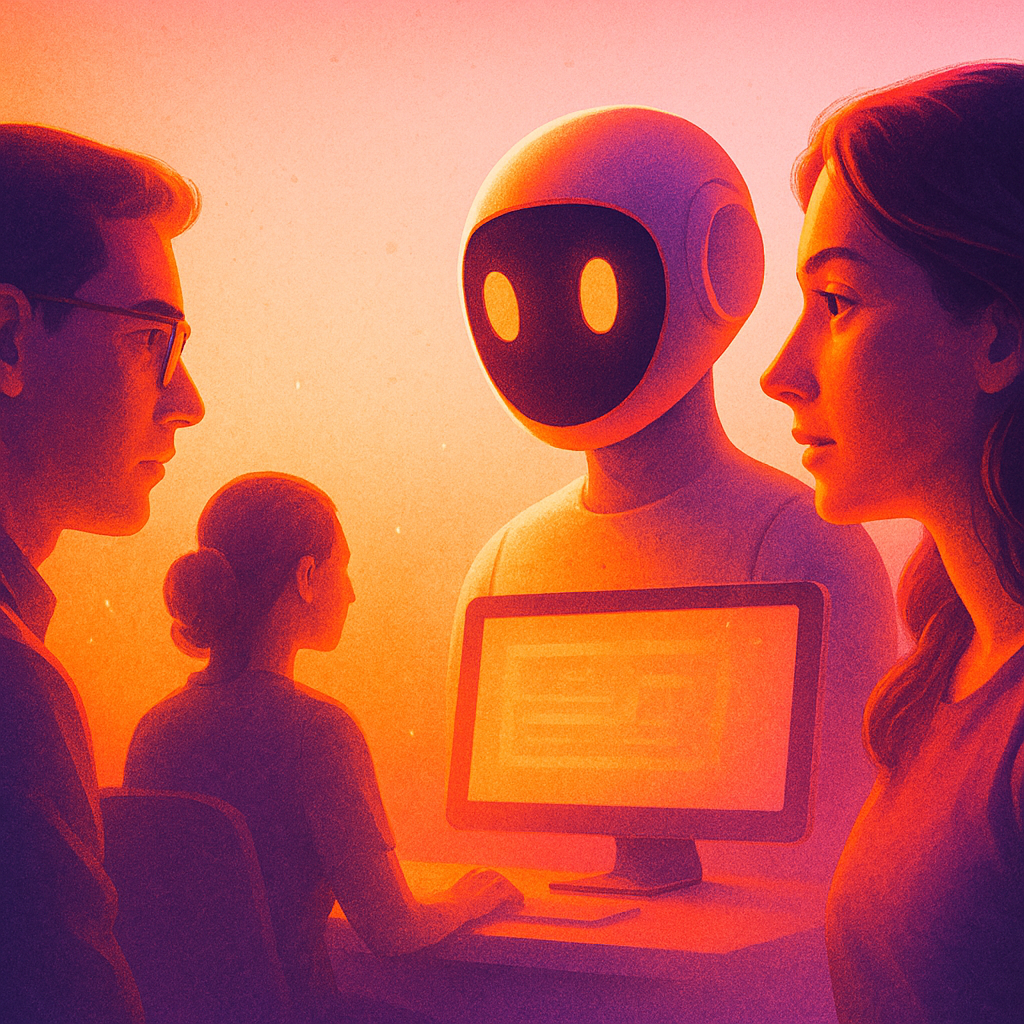
While the most impressive feature of IrisGo is its ability to automate tasks within any open application, its uniqueness lies in its capability to have most of the computing take place on the device rather than in the cloud. This ensures more privacy for user data, faster response times, and reduced server costs for IrisGo.
Embodying the essence of AI, IrisGo is a step towards a future where our digital companions evolve to be more intuitive and versatile. While it still may not be the complete AI package we’ve all been fantasizing about, it’s undoubtedly a step in the right direction that undoubtedly brings us a bit closer to seamlessly integrated AI in our daily lives.
As we decode the future of AI, it’s clear that there’s an accelerating wave of smart, practical innovations, and digital companions like IrisGo leading the charge. In this ceaseless quest for AI efficiency, the spotlight will continue to sparkle on the innovators, disruptors, and visionaries. No one can predict the exact course AI will take. Still, one thing is clear: the AI revolution is here to stay, influencing industries, shaping trends, and setting the stage for an exciting technological future. Watch this space!