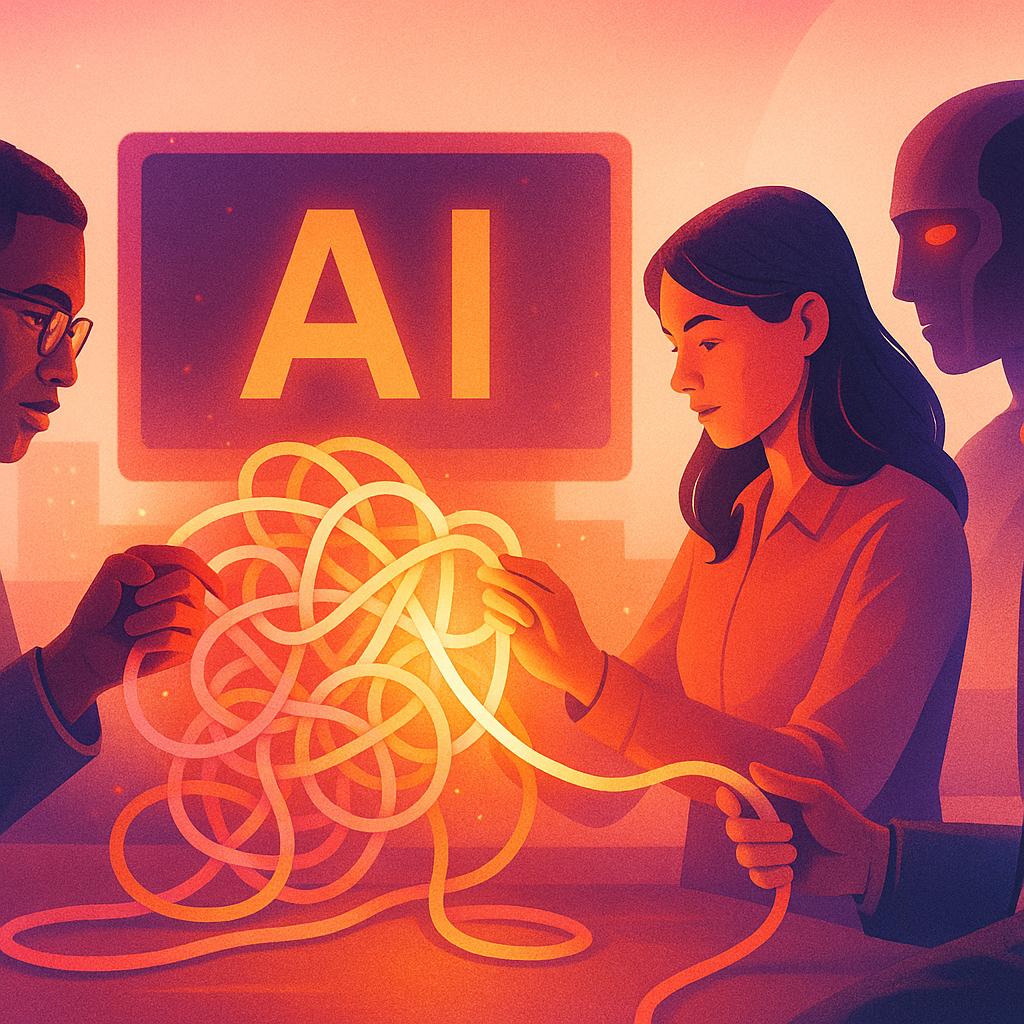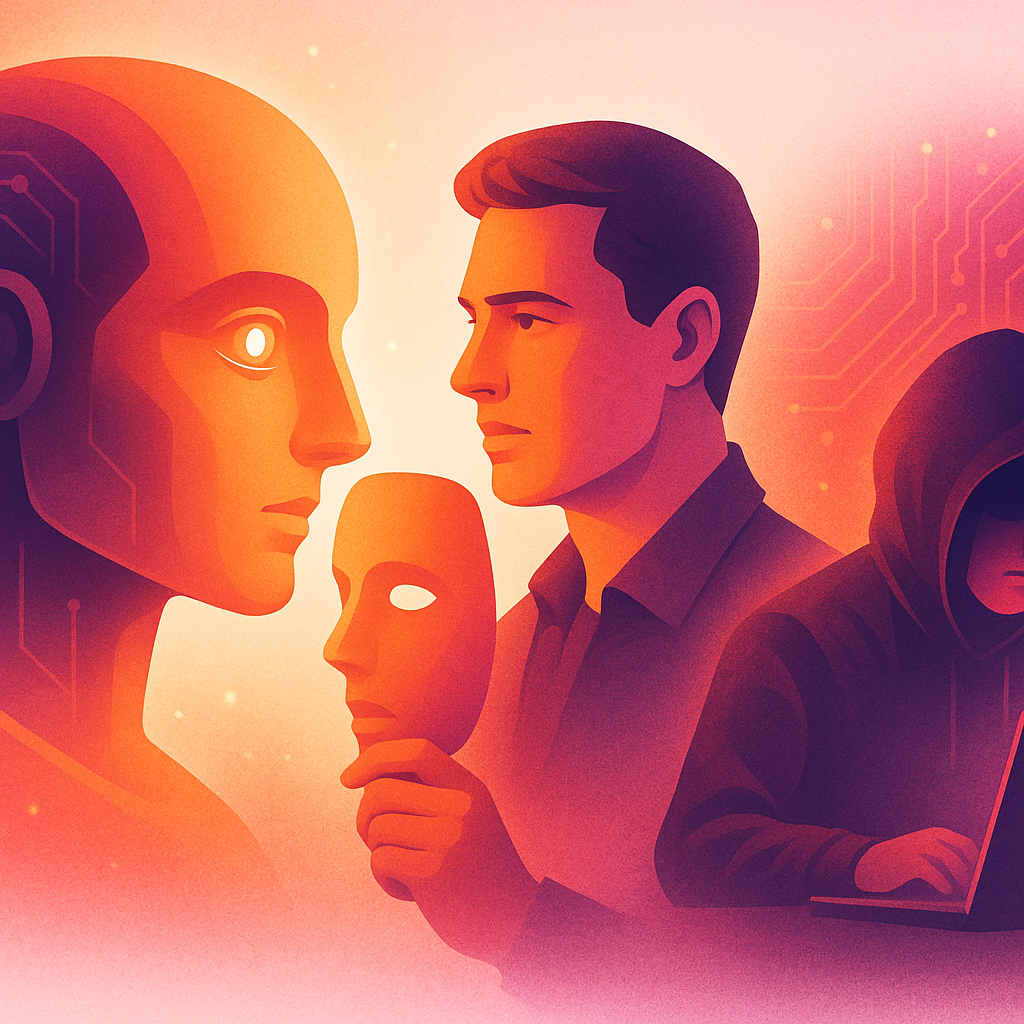
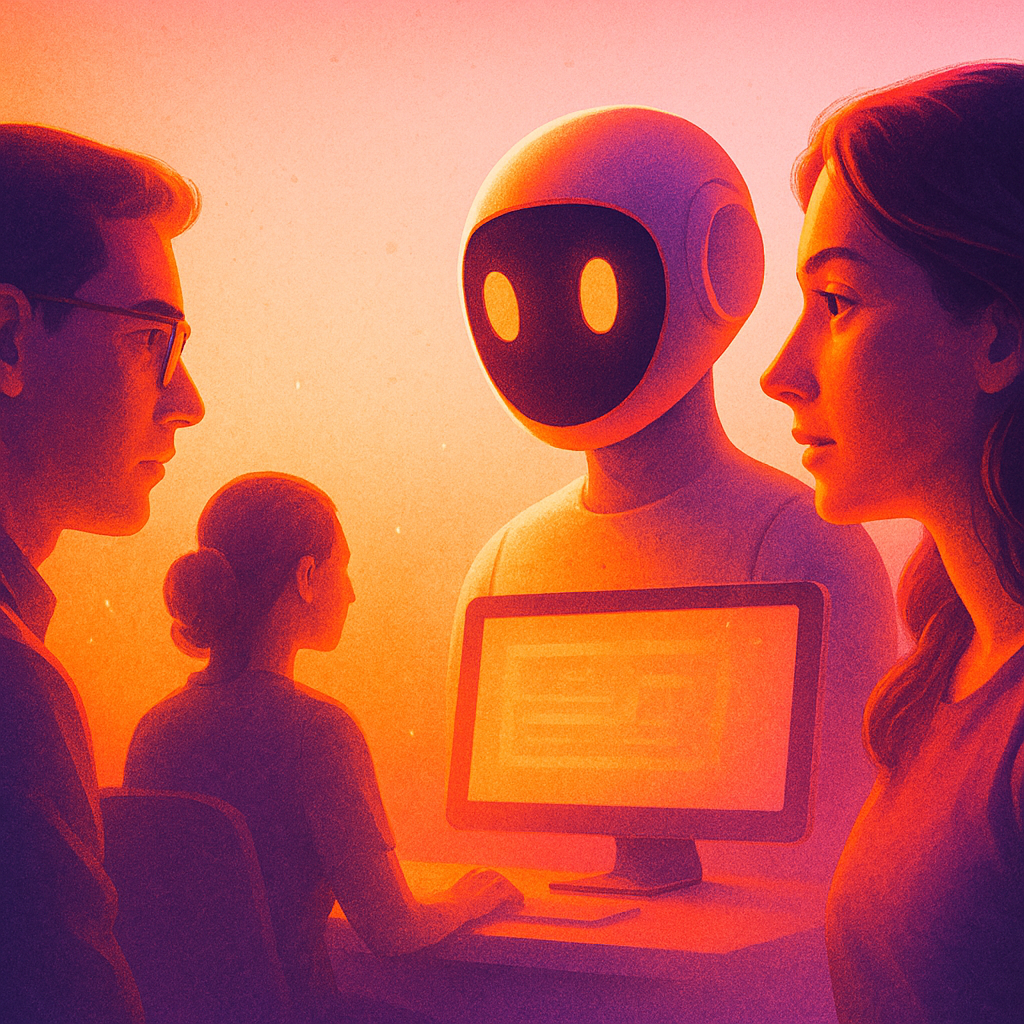


As we dive deeper into the digital age, there’s an unlikely friendship blooming that shatters the traditional dynamics of companionship. It might come as a surprise, but our teenagers are forging bonds with artificial intelligence. Indeed, the fascinating companionship between teens and AI holds a complex narrative that reshapes how we understand communication and interactions in an increasingly AI-dominated world. A recent study gives us an inside look at how teenagers are
interacting with AI companions, and it’s nothing less than
groundbreaking.
The study, carried out by Common Sense Media, reveals an intriguing trend. A whopping 72% of teens aged between 13 and 17 have
experimented with AI companions. This goes far beyond asking Siri about the weather; the teens are engaging in personal conversations with these AI entities. Chatbots like Replika and ChatGPT are being utilized for heart-to-heart dialogues, dibs and drabs of chats, and even some soul-searching.
But it’s not just a one-time experimentation. Regular usage numbers are equally impressive, with 52% of teens regularly engaging with their digital pals. The data suggests 13% chat daily, while 21% engage several times a week.
Let’s pause for a moment. What ignites this chatbot furor among teens? According to the data, 30% are using it for entertainment and 28% out of curiosity. Surprisingly, 18% of teens are even turning to their digital compadres for advice. An AI companion is seen as always available – no ghosting, no ‘seen’ messages without a reply – just present, ready to chat always.
However, the most intriguing aspect of the research is that half of the teens don’t trust the advice doled out by their AI pals. Only one-third of teens find a conversation with an AI more satisfying than a human interaction. And around 80% of teens cite that they spend more time with their human friends than with their AI companions.
This data-driven narrative paints a complex picture about teenagers’ relationship with AI companions that has far-reaching implications for consumers and large brands alike. For consumers, especially parents of teens, understanding the importance of AI companions could offer insight into their children’s digital lives, how they interact, and the emotional and cognitive roles these AI entities play. This can lend valuable perspective on their teens’ emotional and cognitive development in this rare and interesting digital age.
For brands, it’s an insight goldmine to understand this consumer segment better. Understanding these AI-teen dynamics can help brands shape their marketing strategies effectively. Brands that can piggyback off AI platforms or interact seamlessly with them could have a potent channel to engage this tech-savvy demographic. Extra points for brands that can offer valuable, engaging, and safe interactions that teens – and their parents – can trust.
Moreover, this could redefine the consumer-brand relationship, with brands needing to facilitate more personalized, adaptive, and conversational interactions with teens. By understanding teens as not just consumers but as digital citizens navigating an AI-rich landscape, brands can position themselves as allies in this
transition.
All in all, the study is a fantastic example of how data-driven blog posts can shape narratives and provide rich, informative content that grabs attention and offers deep insight. It ultimately allows us to learn how our technology-twirling youth is embracing new forms of friendships. From consumers to big brands, the ripple effects of this shift are bound to be significant. The wave of AI companionship has arrived, and teens are leading the way. It’s a brave new world out there – let’s embrace it!