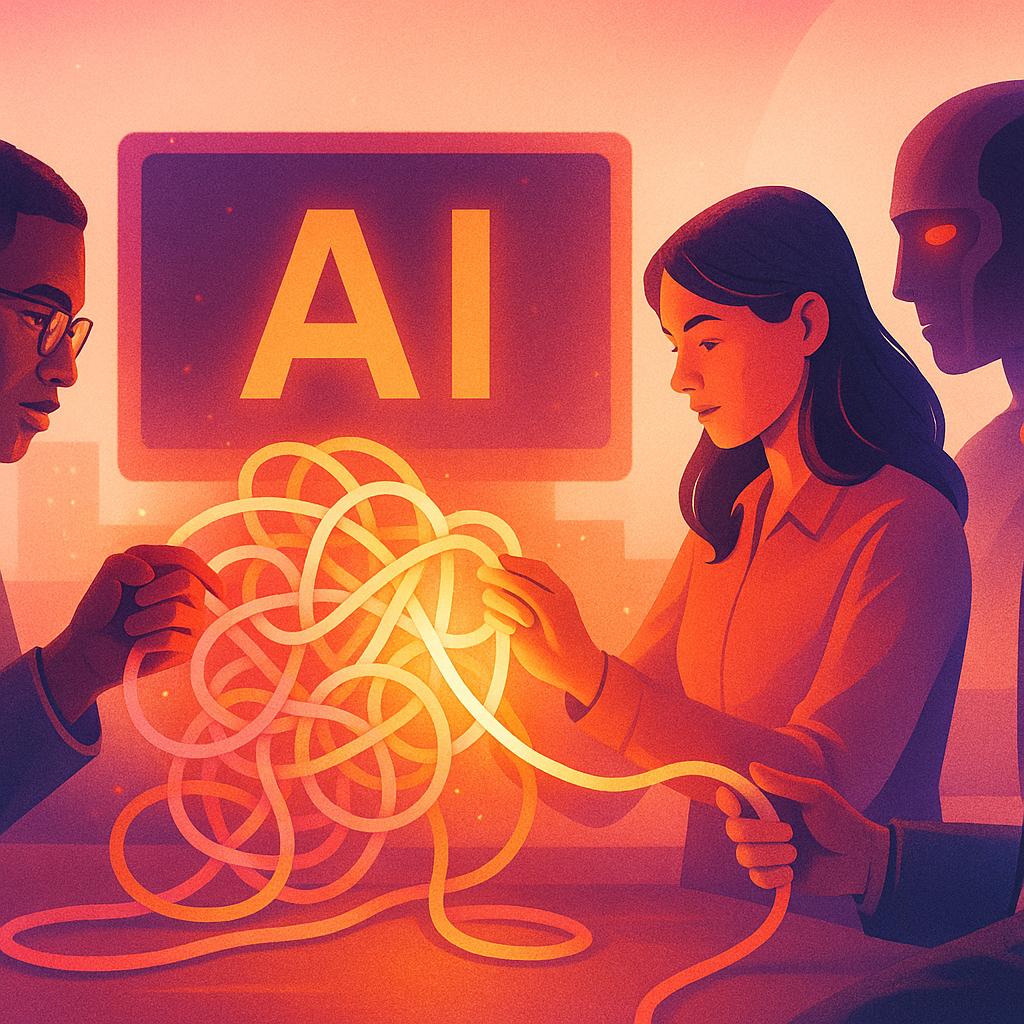



Welcome back to our electrifying corner of the web! Buckle up for a whirlwind journey as we navigate the tumultuous tides of artificial intelligence (AI) and batteries. It’s a fascinating paradox we’re dealing with here; as AI startups explode in growth and revenue, their battery counterparts are struggling to keep lights blinking and servers humming. Here is the irony – these AI startups are dream weavers, envisaging a future where batteries are more efficient, reliable, and advanced. Yet, their prosperity isn’t translating into the battery AI industry.
Why is this, you ask? Allow me to guide you through this perplexing landscape. Imagine being a promising AI startup, Aionics, for instance. Your grand vision is to unlock the potential of AI to boost battery performance. From new materials discovery to detecting defects, you’re in it to make a positive change. From Silicon Valley’s buzzing offices, this vision looks and sounds revolutionary. But reality often sips slowly, and Aionics quickly realized battery companies aren’t particularly excited to pay top dollar for such ‘service contracts.’ The seeming windfall of a hundred such contracts clocks in at a ‘mere’ $10 million a year. For an AI company, this may feel like pocket change.
This unique quandary, however, offers us a window into the pervasive AI hype in the tech Iindustry. If big profits from AI don’t
materialize, tech giants stand to lose billions funneled into this promising technology. Today, battery and car manufacturers’
expectations from AI developers are sky-high. Beyond speed and efficiency, they demand solutions only AI can provide. Yet, the financial incentive for these AI solutions remains stubbornly low.
One might ask – why has AI proven lucrative in areas like
pharmaceuticals but feels like a desert mirage in the world of batteries? Some would argue it comes down to the endurance of profits. Drug companies can afford to pay top dollar for AI-driven medical miracles because of the massive windfall they potentially promise. On the other hand, consumers are reluctant to pay extra for superior batteries. They want longer range and better performance, yes. Paying a premium for it? Not so much.
Despite these hurdles, let’s not forget the tremendous societal impact of enhanced batteries – longer driving range, faster charging, and, in the grand scheme of things, a cleaner, greener climate. However, the optimism is often dampened by one harsh reality – few are willing to pay more for superior batteries.
In a recent noteworthy event, Panasonic’s chief technology officer, Tatsuo Ogawa, expressed doubts about the future of electric vehicles (EVs) powered by solid-state batteries. He argued that rapid advancements in conventional, more affordable battery technology threatened the adoption of comparatively expensive solid-state batteries in the EV landscape.
Yet, the spirit of innovation is indomitable. Aionics, for instance, is venturing into the realm of scents, banking on the interesting attributes of the electrolytes it has been dealing with. Similarly, many AI startups are exploring new avenues to diversify their revenue streams.
Finally, one might also ponder what these trends mean for the average consumer. Do you want your vehicle to drive farther on a single charge or are you content with a battery that simply gets the job done? As consumers, we’re part of this evolving narrative. While your vehicle’s battery might not be a dinner-table topic, it significantly shapes the future of mobility and, in turn, our planet.
So, my dear readers, as we bid adieu, remember this – while the course of artificial intelligence and batteries may be filled with twists, the destination promises to be truly invigorating. Let’s stay tuned to the ride and see where technology takes us. We’ll meet again soon with fresh insights from the buzzing world of tech!