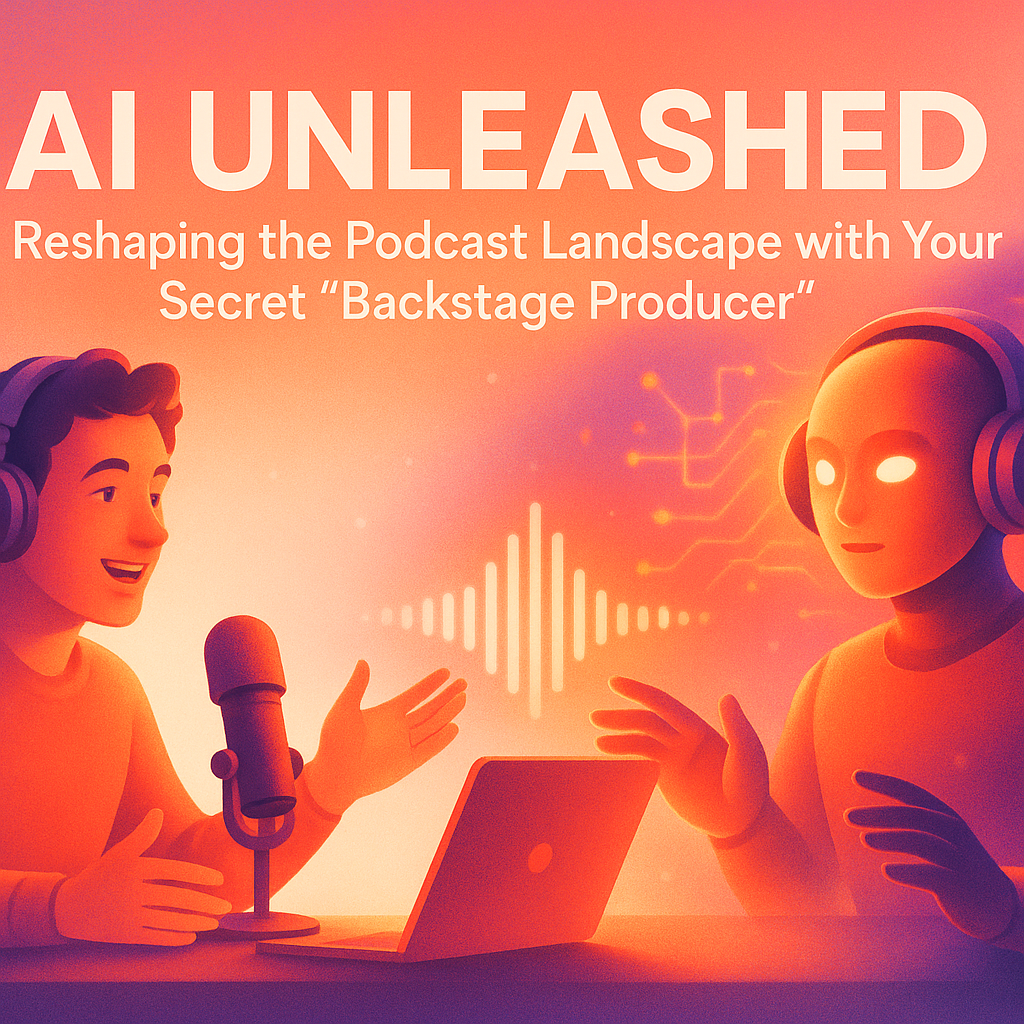


The realm of artificial intelligence is not just about the stuff of sci-fi anymore. OpenAI’s forthcoming AI-powered voice assistant, poised to allow users to engage in vocal conversations with ChatGPT on their phones, has generated an electrifying buzz across industries. And trust me, it’s not just because Scarlett Johansson’s voice might get involved. The underlying technology and its broader implications are far more intriguing.
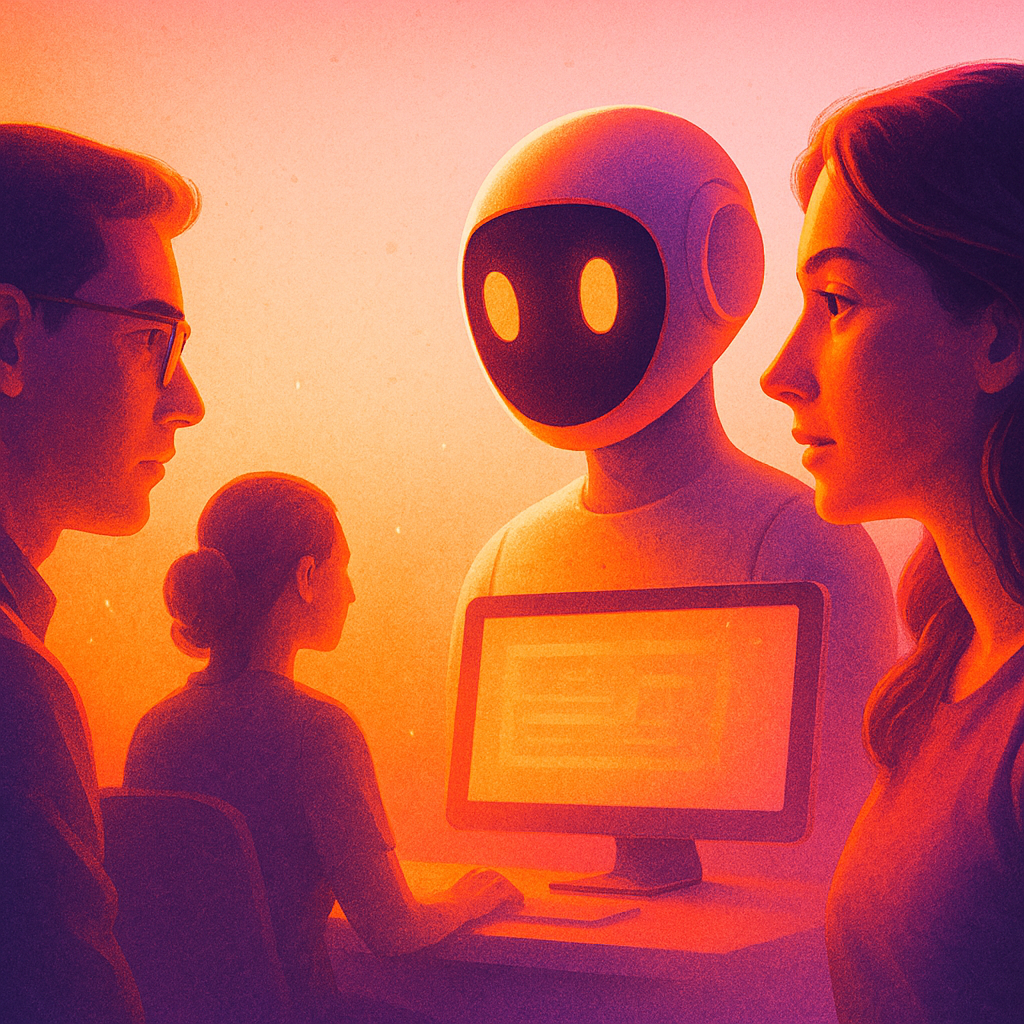
First off, let’s break down why this matters for us, the everyday consumers, and the big brand names in the market. Imagine no longer being tethered to texting back and forth with an AI chatbot. Instead, you could have fluid, dynamic conversations akin to speaking with a friend. This leap isn’t just a technical upgrade; it’s a paradigm shift in user experience.
Developing AI that can accurately understand and replicate human speech is no small feat. The challenge goes beyond machine learning—it ventures into the nuanced realms of human psychology. Silence, for instance, is a significant player in face-to-face conversations. While a few seconds of delay are acceptable when texting, on a phone call, those same seconds can stew awkward silences. AI needs to master the art of timing and response to ensure conversations remain seamless and natural.
To achieve this, developers have to