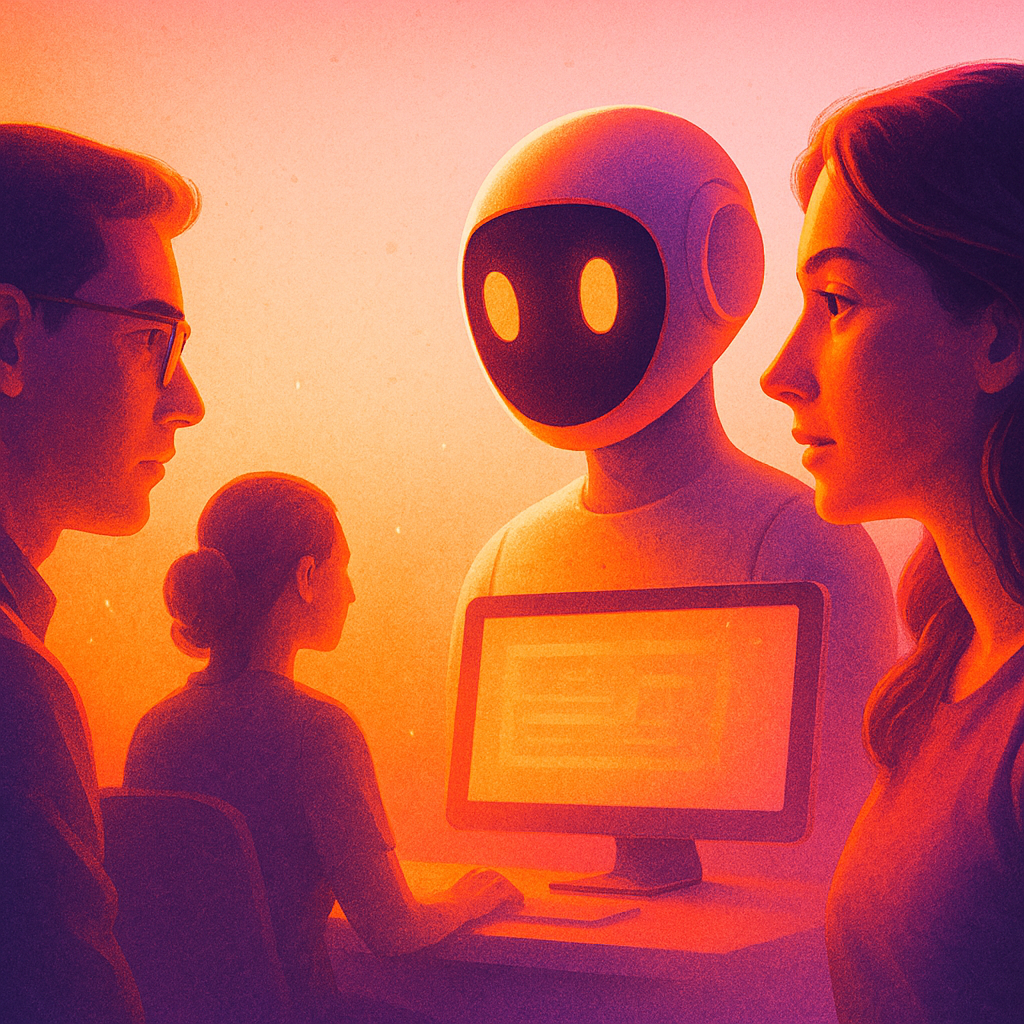


Artificial intelligence. It can seem like a complex, futuristic concept, often tied with visions of high-tech robots and advanced computers. However, in reality, AI has permeated every aspect of our lives. From online shopping recommendations to voice recognition systems, AI is here, it’s now, and it’s changing the world around us at a staggering pace.
A key issue within AI’s narrative is its legal protections. This topic recently came into sharp focus following a widely publicized lawsuit against Character.AI, an AI company that built and sold conversational agents, or chatbots as they are more commonly known. The fallout from this case stands to have a potentially significant impact on legal protections for AI companies, with ripple effects resonating far beyond the industry.
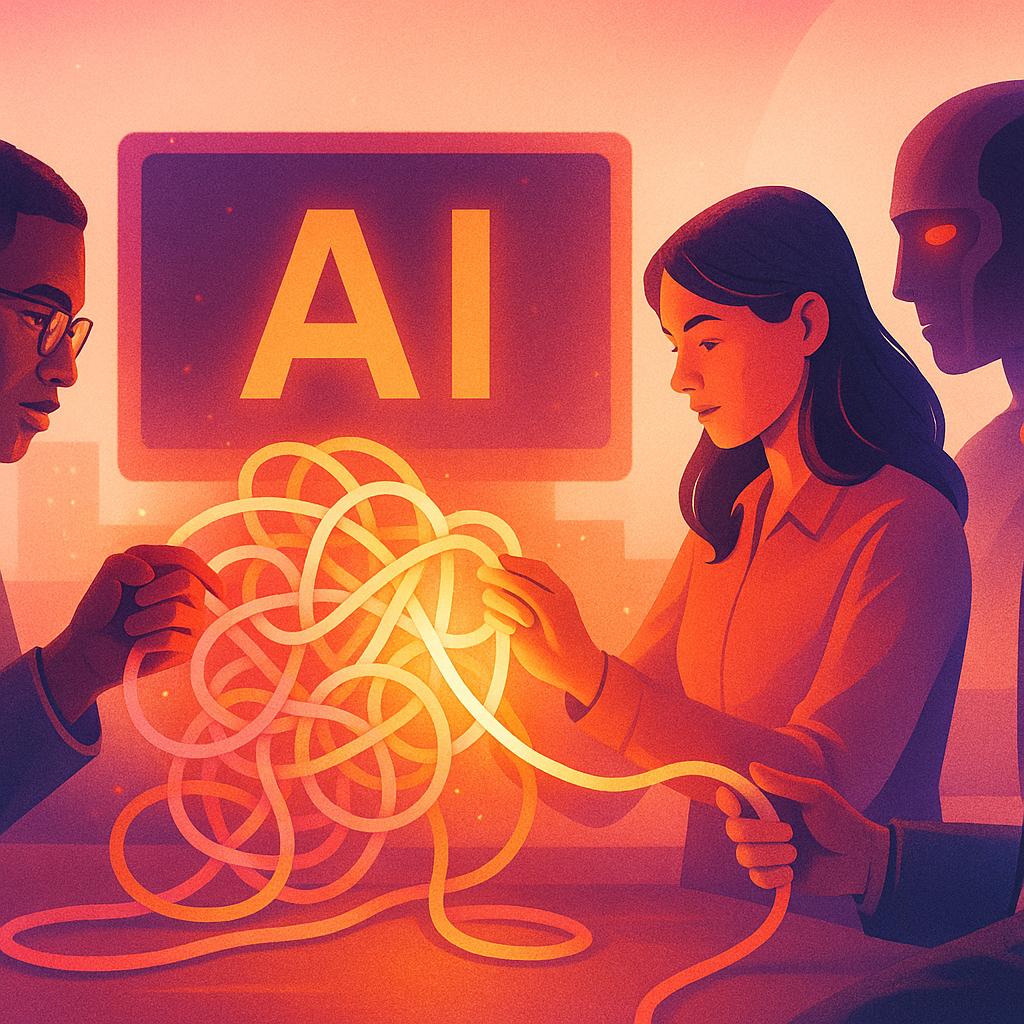
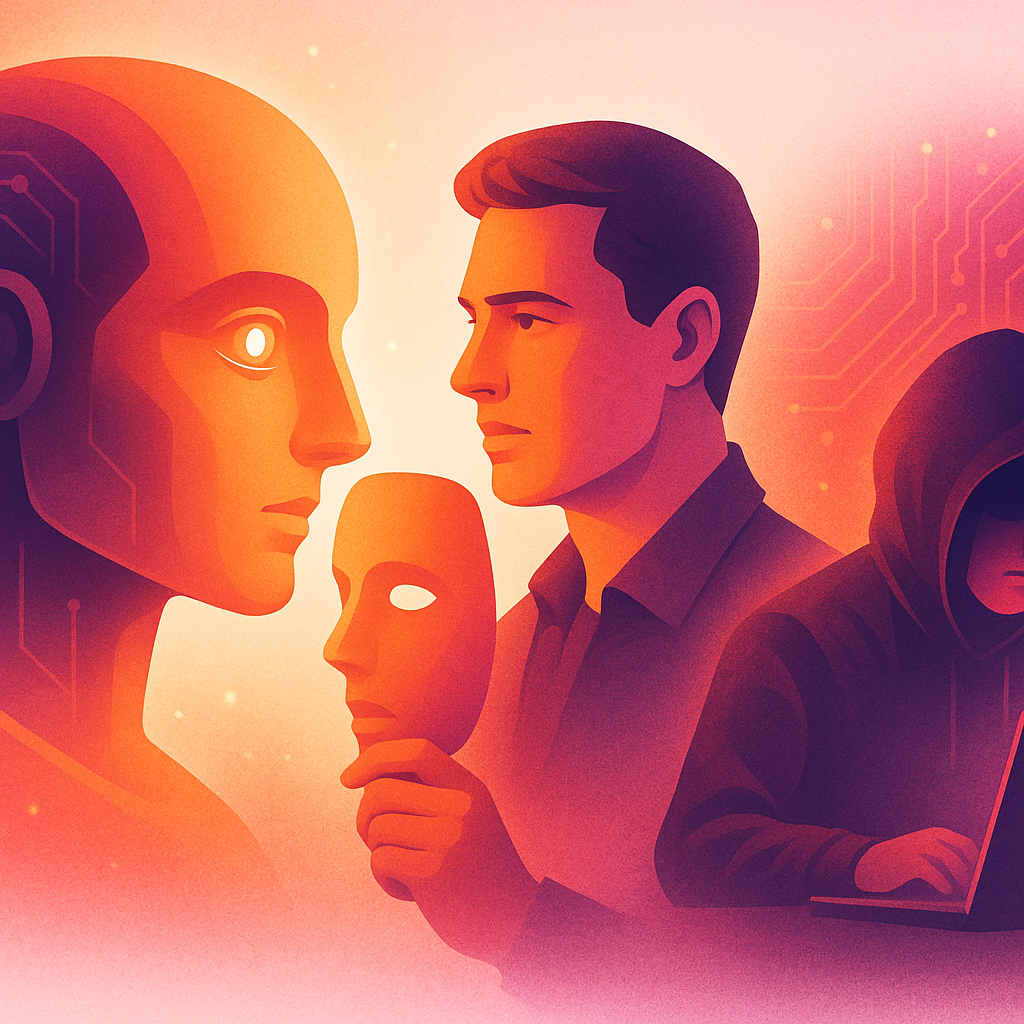
The lawsuit raised questions about whether AI companies, such as Character.AI, should be shielded from liability for user-generated content. This depends on whether or not the courts deem AI output as user-generated content. The ambiguity stems from the unique relationship between AI companies and their creations. Unlike traditional software, AI entities are not static creations that merely transmit user input. They learn from it, process it and use it to refine and adapt their responses, creating unique outputs that blur the line between man and machine. These features make it difficult to categorize AI output, posing unique challenges to the existing legal framework.
Beyond the courtroom, the broader implications of this case could potentially reshape the AI industry. If AI companies are held accountable for their AI’s output, how will this alter the rapid growth we are currently witnessing in the AI landscape? Many might question whether we should pump the brakes on AI development given the potential legal implications. On the other hand, perhaps this lawsuit is exactly the wake-up call the industry needs to instill ethical and regulatory safeguards in the design, application, and use of AI.
Normalize these legal and ethical issues, and it’s clear that the AI industry is evolving at a breath-taking pace. Open and closed-source AI models are consistently battling it out in what seems like a fast-paced technological arms race. As companies like Nvidia make waves in the open-source sphere, others like OpenAI and Anthropic are forging ahead with their proprietary models.
The AI race isn’t just about having the best technology, however. User accessibility is becoming a defining factor in competition. Companies are now recognizing that the more user-friendly and easy to use their AI technology is, the more it becomes an integral part of consumers’ daily lives.
AI’s reach is not just limited to big tech companies or start-ups. Many traditional industries like real estate and healthcare are leveraging this technology to solve complex problems, streamline operations and improve customer experience. From AI assistants like Mave, designed for the real estate industry, to Infinitus Systems, which uses AI to automate healthcare tasks, the possibilities for AI applications seem endless.
AI is no longer the future – it is the present, and it’s serving up a slice of innovation across industries. However, with innovation comes responsibility. While we propel further into an AI-driven world, it is crucial to continue examining and addressing the ethical and legal issues raised by this rapidly changing technology. This will not only ensure its sustainable growth but will also ensure it serves humanity in the best way possible.
The development of AI’s story is an important arc in tech’s narrative. It’s a script still being written, with a plot poised between regulation and revolution. And like any good story, the journey through the pages of progression is just as important as the final resolution. So, here’s to the story of AI – its challenges, triumphs, pitfalls, and potential, and to the boundless possibilities of this digital age.