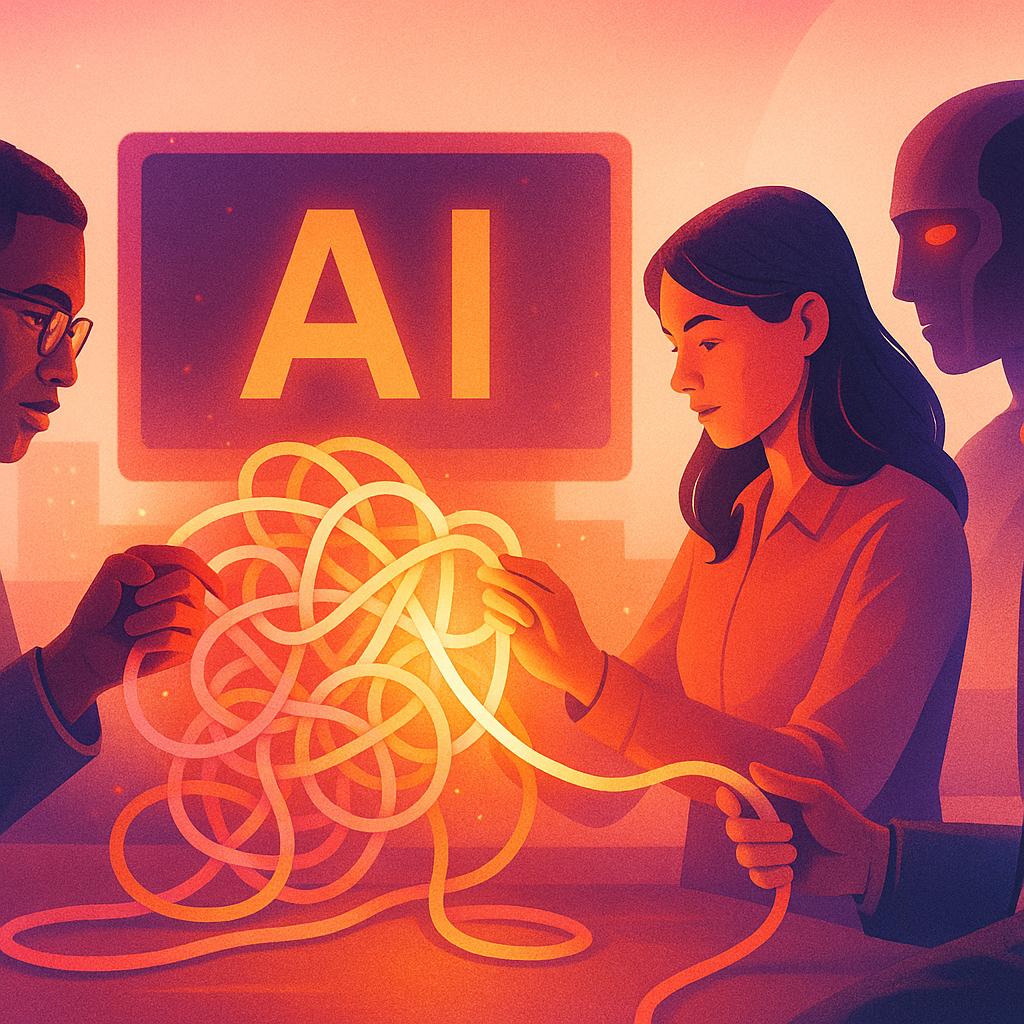



Hello, tech enthusiasts! Let’s jump right into the fascinating world of artificial intelligence (AI) and its seemingly unstoppable evolution. As we traverse this thrilling landscape, expect to encounter robust discussions around the challenges in advancing large language models (LLMs), the pressing concerns involving AI security, and the compelling impact these developments could have on any industry seeking to decode the future of AI.
One of the frontiers of AI evolution, right now, is the constant race to develop larger, more comprehensive, and ultimately more intelligent language models. These models help computers understand and interact with us in human-like ways, transforming how we work, play, and communicate. However, the journey is not without bumps. Prominent voices in the AI world, such as tech luminaries Marc Andreessen and Ben Horowitz, suggest we might be hitting a wall in the development of LLMs. They express concerns that, despite increases in computing power, there isn’t proportional growth in language model capabilities.
These concerns are primarily attributed to a mute stumbling block – the scarcity of fresh high-quality data needed to train these models. AI labs are scrambling to mitigate this scarcity, often employing a legion of professionals—from doctors to lawyers—to create this data manually. Without a doubt, the struggle for data adds another layer of challenge to the already intricate task of advancing large language models.
The complex machinery behind AI doesn’t just devour data. It also demands immense power. The needs of AI developers in the U.S. have ignited tense discussions about energy sources and their
accessibility. A balance must be struck between fuelling the AI revolution and adhering to sustainability goals. The question then becomes, how can AI continue to flourish without accelerating harmful climate change?
Parallel to these stories is the sobering narrative on AI security. The continuously expanding digital5 sphere has raised alarm bells about the potential misuse of AI technology. Concerns range from cybersecurity threats, data privacy violations, and the unsettling proliferation of ‘deepfakes’. One chilling example involves a convincingly manipulated video featuring none other than Dr. Martin Luther King Jr. voicing support for none other than Donald Trump—an unthinkable endorsement in real life.
Additionally, a spotlight shines on AI’s role in global politics, as policy-makers grapple with concerns around international AI ethics regulations, as well as the contentious dynamics related to
open-source AI and Artificial Intelligence chips. Uncertainty looms over how various administrations will treat these cutting-edge technologies and how these policies might impact AI development on both local and international scales.
So, what does this shifting AI landscape mean for mainstream consumer trends and industries attempting to stay ahead of the curve? Firstly, there is the sheer ubiquity of AI. It permeates every sector—from healthcare to entertainment—so understanding these issues is no longer a choice but a necessity.
Secondly, the challenges of data scarcity highlight the growing importance of ‘data literacy’ in the workforce. Businesses must invest in cultivating this essential skill set amongst their employees. Security concerns, on the other hand, make a robust case for proactive investment in cybersecurity and stringent data privacy measures to ensure the safe and ethical application of AI tools.
Lastly, the international politicization of AI underscores the importance of businesses staying abreast of global AI policy shifts. Both policy changes and market evolutions must be mirrored in their AI strategies, ensuring their survival and success in this exciting age of AI.
Ultimately, decoding the future of AI is like sailing on uncharted waters—full of risk and drenched in uncertainty, but also glittering with immense opportunity. As we brave these exciting tides, let our guide be constant learning and unbridled curiosity because, in the volatile world of AI, the only constant is change. Through this lens of exploration and adaptability, the challenges experienced today will become the stepping stones leading us into the thrilling future of AI.