


Picture this – your alarm clock goes off, you roll over bleary-eyed to reach for your phone, and your AI assistant is already on the case, summarizing the news headlines that rolled in while you were in the land of dreams. Among those, a headline catches your eye, and it reads, “Trump’s potential impact on AI regulation.” You instantly feel a mix of anticipation and uncertainty.
Whether you’re an everyday consumer who utilizes AI for small tasks, like Siri reminding you of appointments or a business mogul deploying complex AI systems for large scale operations, scrutiny around AI regulation touches us all, not only on a professional level but also personally.
Now with Trump’s re-election, there’s an air of ambivalence hovering over the AI landscape. His potential impact on AI regulation might shake up the trajectories of tech giants, impact the course of startups, influence investor confidence, and alter consumer outlook.
During his previous tenure, the Trump administration showed a clear inclination towards deregulation in a bid to stimulate innovation. The return of Trump 2.0 seems to hint at a similar path. His hint on “canceling Biden’s AI Executive Order (AI EO)” sends a clear message – regulations are seen more as roadblocks than as safeguards.
For AI-driven businesses, fewer regulations can indeed spell open season for innovation and opportunities. Innovations like AI chip making could be propelled forward without the hindrances imposed by regulatory bottlenecks. Will this result in an AI gold rush? Perhaps. But, as with all rushes, there’s as much risk as reward. The very factors that stimulate growth can also pose threats to market stability.
On the flip side, the impact on users of AI, whether avid consumers or just dabbled in the field, can be twofold. In the absence of regulations, there’s more scope for better and faster AI tools to emerge on the market. However, the question of transparency, privacy, and safety looms overhead.
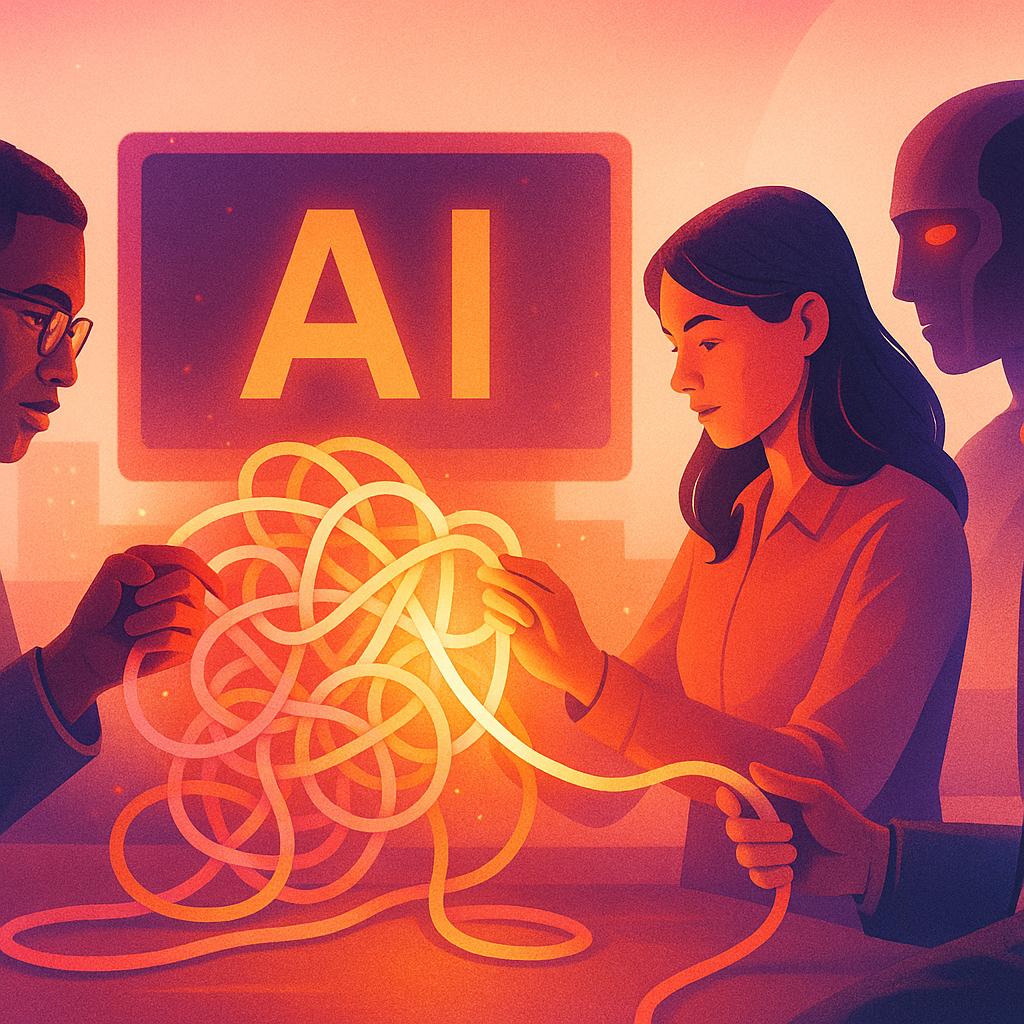
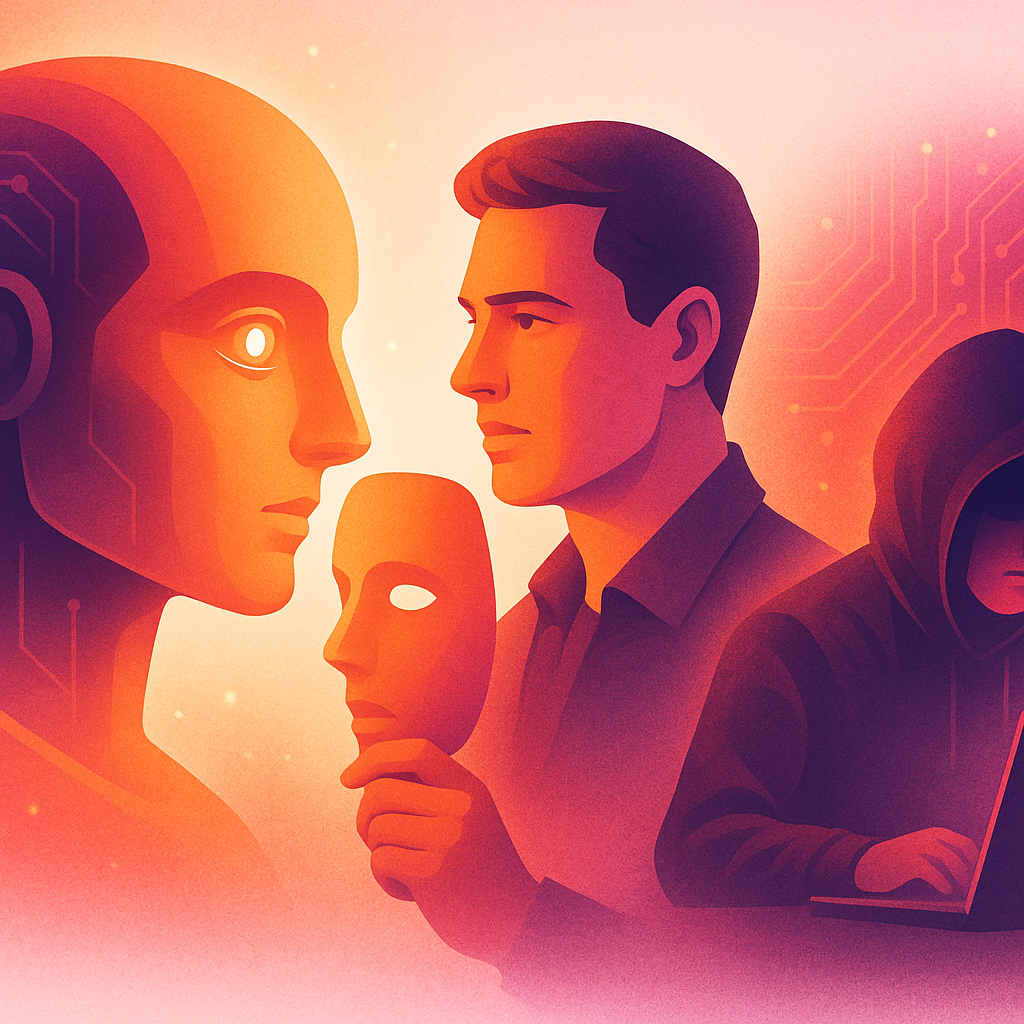
Thinking about it brings us to a balancing act of innovation versus risk. Yes, progress demands exploration and risks. However, it’s also crucial to ensure that this exploration is carried out responsibly, with the risks and errors mitigated. A failure to do so can result in AI’s enormous potential being overshadowed by mistrust.
The trend shows a wary eye has been turned towards AI regulation, notably with the leaking of Google’s AI agent, Jarvis, exposing yet another facet of this debate. Companies like Google and Apple are constantly pushing the boundaries of what AI can accomplish, from browsing the web on our behalf to new writing tools.
As consumers, we have grown accustomed to the conveniences and wonder these AI tools bring. Yet, with every update and new feature released, the call for regulation and safeguards on user privacy and data handling becomes increasingly critical.
Now, as we stare at the precipice of uncertain AI regulation policies under Trump 2.0, we find ourselves grappling with expectations and apprehensions. Thus, we circle back to the balancing act – the desire for groundbreaking AI technology against the compelling need for privacy and safety protections in an AI-centric world.
Above all, the core reminder is that at the heart of AI regulation, it’s not just about political views or market competition, but fundamentally about balancing the scales between astounding technology growth and ethical considerations. As we keep an eye on the headlines, only time will tell how this journey furthers. No doubt, it promises to be a roller-coaster ride, with its ups and downs, but hopefully, one that ends with a brighter AI future for us all.