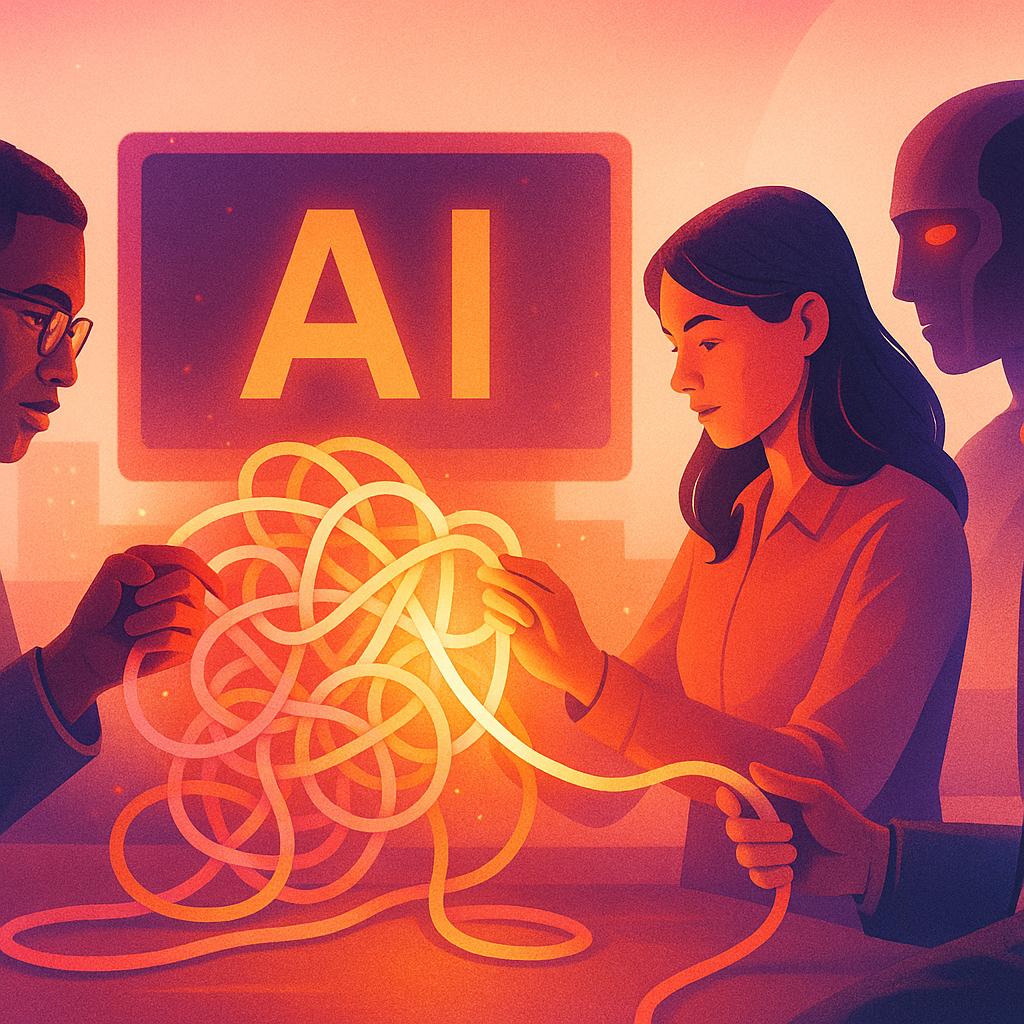



As the world races to combat climate change and achieve net zero emissions, the role of artificial intelligence (AI) is becoming increasingly prevalent in shaping the future of sustainable energy management. The recent webinar, “The Role of AI in the Transition to Net Zero,” highlighted the critical intersection of AI and climate goals, sparking conversations among industry leaders, experts, and consumers alike about the potential impact of AI on the energy transition.
The question on everyone’s mind is whether AI will help or hinder the energy transition. This debate is not just a technical discussion confined to experts in the field but has far-reaching implications for consumers and large brands. The integration of AI in energy management promises more than just efficient operations; it offers a glimpse into a future where energy consumption is smarter, greener, and more sustainable.
One of the key takeaways from the webinar was the insight provided by a panel of distinguished speakers, including Lindy Fursman, Director of Climate & Energy Policy at the Tony Blair Institute, Steve Wilhite, President of Sustainability Business at Schneider Electric, and Emiliya Mychasuk, Climate Editor at the Financial Times. Their discussions shed light on how AI is currently being deployed to optimize energy use, enhance efficiency, and drive innovations towards a greener future.
For consumers, the implications of AI in the transition to net zero are profound. As more energy management systems leverage AI
technology, consumers can expect greater transparency,
personalization, and control over their energy consumption. This means smarter energy choices, reduced environmental impact, and potentially lower energy costs for households and businesses.
Large brands are also closely monitoring the advancements in AI and their potential impact on sustainability practices. With AI-driven solutions, companies can streamline operations, minimize waste, and align their practices with climate goals, ultimately enhancing their brand reputation and meeting the growing demand for eco-friendly products and services from consumers.
The webinar serves as a reminder that the transition to net zero is not just a distant goal but a collective journey that requires collaboration, innovation, and a commitment to leveraging cutting-edge technologies like AI. By harnessing the power of AI in energy management, we have the opportunity to shape a more sustainable future for generations to come, where technology and sustainability work hand in hand towards a common goal of achieving net zero emissions and preserving our planet for future generations.