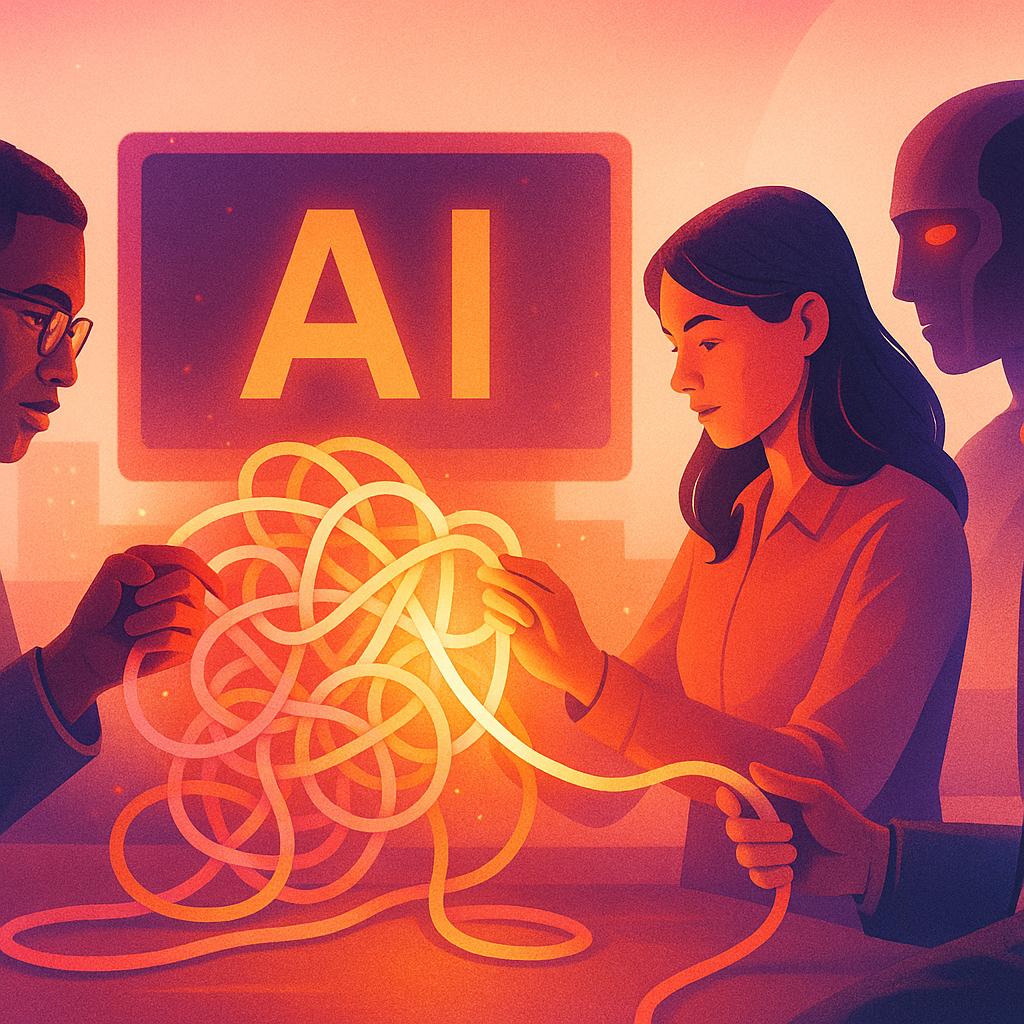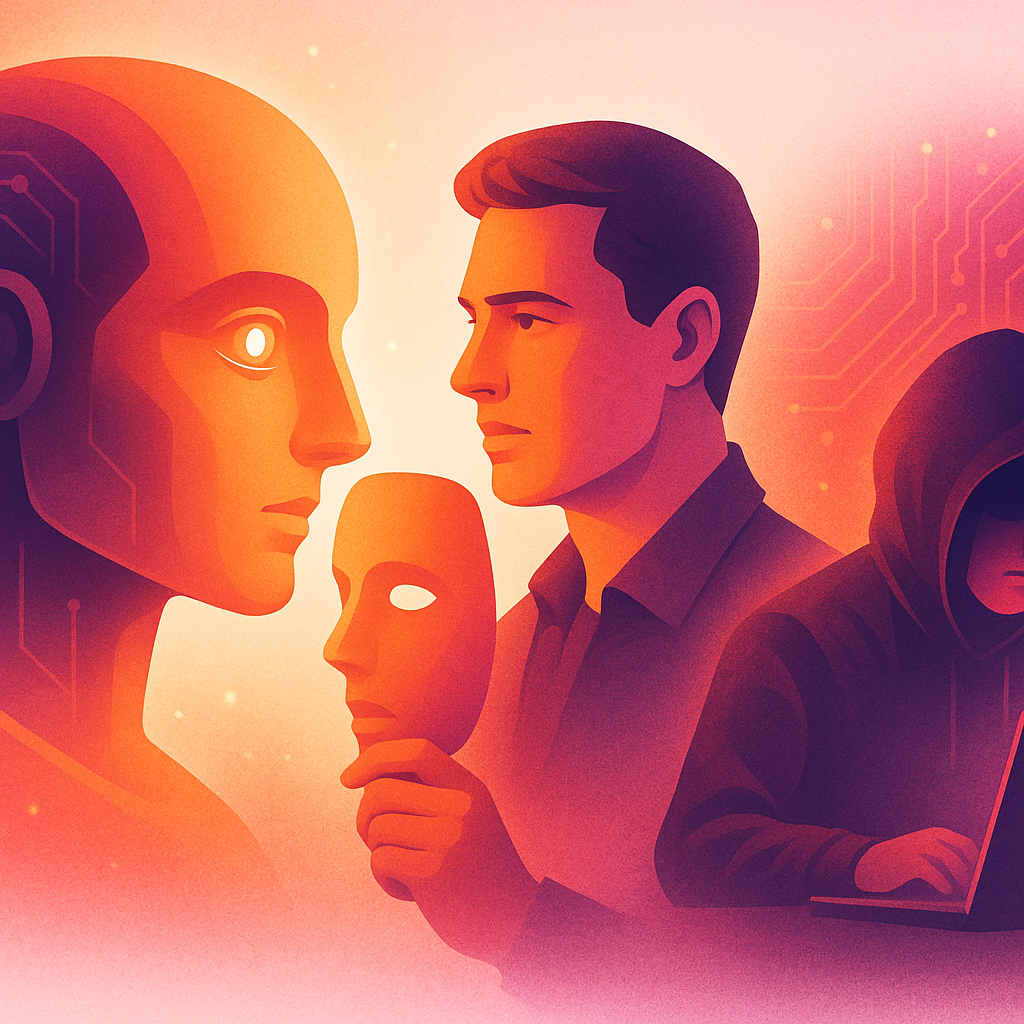



Could you imagine a world where artificial intelligence (AI) not only mimics human intelligence but also human morals? Where an AI entity hesitates before making a decision because it’s processing the ethical implications involved? It’s no longer speculative fiction. It’s the future that OpenAI, a leading voice in the AI field, seeks to cultivate.
Recently, OpenAI made quite a ripple, nay, a wave in the AI industry by funding a research project that aims to develop AI with moral judgment capability. This venture breathes life into the pioneering concept of AI that can understand, analyze, and make ethical decisions in complex, conflict-ridden situations in crucial sectors such as healthcare, law, and business. We’re talking real-time ethics in the digital world!
OpenAI staked $1M in grant funding for prestigious North Carolina’s Duke University. The funding, spread over three years, is committed to a unique project aptly titled ‘Research AI Morality.’ The professors leading this innovation, Walter Sinnott-Armstrong and Jana Borg, have proven expertise in the field, with previously published
groundbreaking studies on AI’s ability to serve as a “moral GPS” to help humans make better judgments. Now, they intend to train algorithms to mimic this job, perhaps even do it better than us. Fascinating, isn’t it?
In context, the initiative follows closely in the footsteps of the nonprofit ‘Allen Institute for AI’ that, in 2021, built ‘Ask Delphi.’ This revolutionary AI was trained to deliver ethical responses, such as explaining that cheating on an exam was morally wrong. The catch? Its predictions reflected predominantly Western perspectives, which struck a chord of discontent among critics. AI, like humans, subject to bias? That is one rocky road no one wants to tread.
Enter OpenAI’s moral-judgement AI endeavor. It aims to correct course by equipping the AI with a more balanced, diversified, and reliable ethical compass. However, they face a herculean task ahead. The question of ‘morality’ is a Pandora’s box in itself. It’s highly subjective and varies from person to person.
This latest focus on AI with ethical cognition comes at a time when AI technology’s adoption is accelerating. It’s becoming a vital component of various industries – healthcare, manufacturing, retail, and more. As such, the implications of OpenAI’s mission are far-reaching.
In healthcare, for example, an AI with moral judgment might just revolutionize decision-making processes. Imagine an AI that can advise doctors on which patients should receive a kidney transplant first. In the business realm, this could revolutionize corporate strategy, CSR initiatives, and even subcontracting decisions. But how will it impact us, everyday folks?
For consumers, AI equipped with moral judgment could mean a vast improvement in the user experience. Assisting technology such as Siri, Alexa or Google Assistant could make more informed recommendations, considerate of ethical nuances. In an era where trust in tech companies is at a significant low, AI with a ‘conscience’ could bring a refreshing perspective.
Talk about chiming in with the zeitgeist! OpenAI’s investment reflects a growing urgency in the global tech landscape to imbue AI with an ethical compass. It’s a smart move in an era that emphasizes responsible AI, and such an initiative could undoubtedly become a selling point for consumers who demand more accountability in their technology.
The journey to make AI more human-like is well underway and now, with initiatives like this one from OpenAI, the path seems clear for AI not just to think, but to ‘feel’, to understand the ethical implications of its actions or decisions.
It is an exciting time to be alive, indeed! This experiment in AI and ethics is indicative of a maturing AI industry—one that not only wants to innovate but also understand the implications of its creations. It goes far beyond ones and zeros, towards cultivating a robotic intuition based on our complex, albeit intriguing moral landscape. Can’t wait to see how this shapes up, can you?