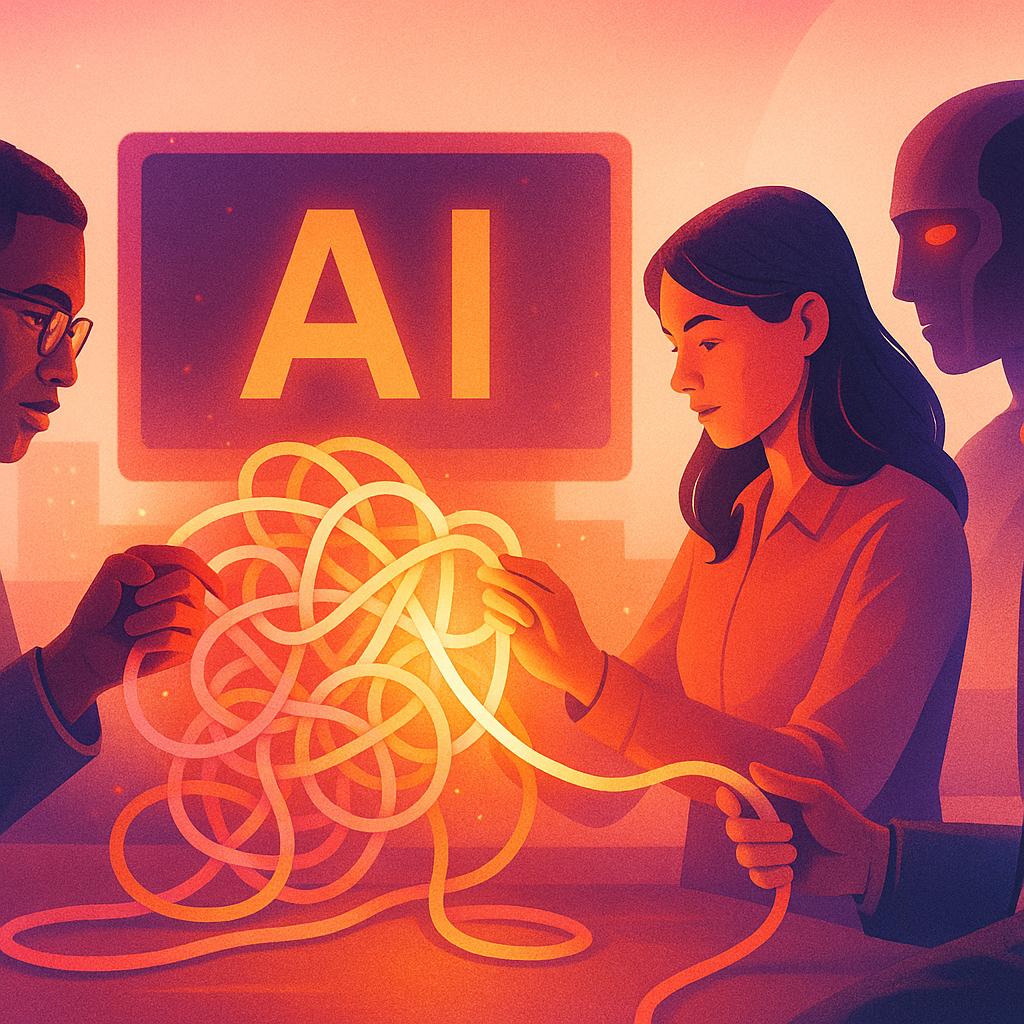



As the tech landscape continues to evolve towards a future dominated by AI and specialized innovations, the conversation around managing risks in this age of technological advancement becomes more critical than ever. Recently, Palo Alto Networks CEO discussed his unique approach to innovation in the face of emerging technologies and associated risks. This dialogue sheds light on the evolving dynamics that large brands and consumers alike must navigate in order to stay ahead in a rapidly changing business environment.
In a world where businesses are increasingly reliant on AI and automation to drive efficiencies and unlock new possibilities, the need to address the risks inherent in these technologies is paramount. Nikesh Arora, the CEO of Palo Alto Networks, emphasizes the importance of staying vigilant and proactive in managing these risks,
highlighting that the age of AI brings both unprecedented
opportunities and challenges for businesses across industries.
The rise of specialized AI solutions and trust-based innovation is reshaping the way companies approach technology adoption. With a focus on efficiency and trustworthiness, businesses are moving away from one-size-fits-all solutions towards more targeted and reliable AI applications. This shift not only opens up new possibilities for innovation but also necessitates a reevaluation of risk management strategies to safeguard against potential threats and vulnerabilities.
As we witness the convergence of AI, automation, and advanced technologies in various sectors, the stakes for both consumers and large brands are higher than ever. The emergence of agentic
applications and AI agents that streamline business processes pose unique challenges in terms of data security and privacy, requiring organizations to adopt robust risk mitigation measures to protect sensitive information and maintain customer trust.
In this rapidly evolving landscape, reimagining scale and prioritizing sustainability have become imperative for businesses looking to thrive in the age of AI. By challenging the traditional notion that bigger is always better, companies can create a more resilient and adaptive ecosystem that fosters innovation while minimizing potential risks associated with rapid growth and expansion.
The intersection of technology, infrastructure, and sustainability presents a host of complex challenges that must be addressed to achieve a net-zero future. From energy transition to digital innovation, organizations must confront a myriad of tech and infrastructure problems to pave the way for a more sustainable and greener economy, underscoring the need for proactive risk management strategies in the face of these interconnected challenges.
In a world where digital transformation is at the forefront of business agendas, leaders like Nikesh Arora are paving the way for a future where managing risks in the age of AI is as crucial as embracing innovation. By striking a balance between innovation and risk mitigation, companies can position themselves to thrive in a dynamic and rapidly evolving business landscape, ensuring success not only for themselves but also for consumers who increasingly rely on cutting-edge technologies to meet their evolving needs.