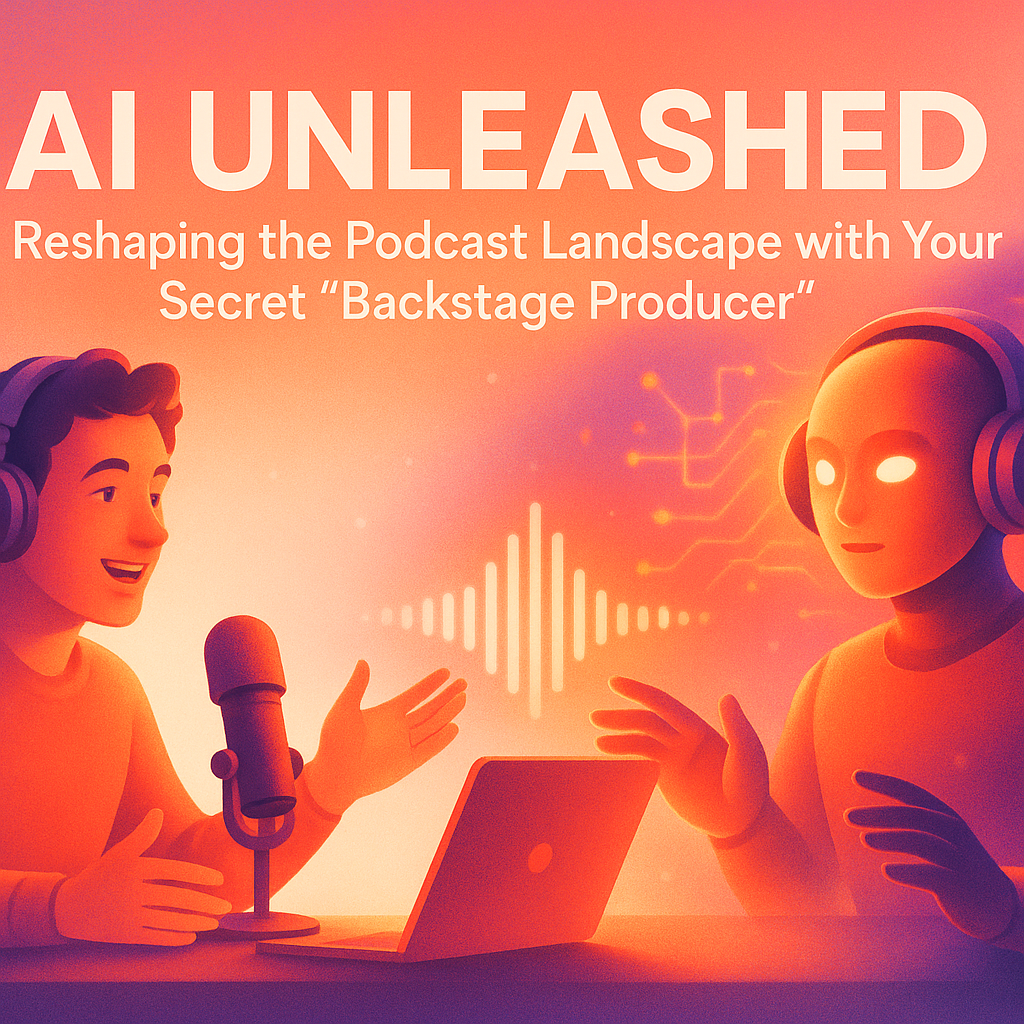


The emergence of generative AI in music and the subsequent copyright challenges it faces are painting a new landscape within the Creator Economy. As startups delve into the realm of using AI to create music, the risk of copyright infringement looms large, leading to legal battles between companies and major record labels.
Recent lawsuits filed by industry giants like Universal Music Group, Sony Music Entertainment, and Warner Records against startups Udio and Suno shed light on the delicate balance between innovation and copyright protection. While some startups defend their work under fair use, the threat of legal repercussions has prompted others to seek alternative methods for generating music without treading on copyrighted material.
One such approach is exemplified by Beatoven.ai, a startup that procures original tracks from musicians and producers to create AI-generated music for various applications. By compensating artists for their contributions, Beatoven.ai not only navigates the copyright minefield but also acknowledges and supports the creative community it draws inspiration from.
In another collaborative effort, Beatoven partnered with Musical AI to attribute AI-generated songs to influential musicians, offering a revenue-sharing model that benefits both the creators and the AI technology developers. This ethical and transparent approach ensures that rights holders are duly recognized and compensated for their artistic input.
The industry shift towards ethical practices in AI-generated music is further exemplified by initiatives like Klay’s partnership with UMG to establish a model that upholds copyright integrity. By hiring experts with a background in AI music and implementing robust frameworks, these startups are paving the way for a more harmonious coexistence between AI innovation and creative rights.
As consumers, this development underscores the evolving landscape of music consumption and production. It highlights the importance of supporting artists and ensuring fair compensation for their work in the digital age. For large brands looking to leverage AI in their marketing and creative endeavors, the legal complexities surrounding AI-generated content serve as a cautionary tale to prioritize ethical considerations and copyright compliance in their strategies.
In essence, the clash between generative AI and copyright challenges in music not only shapes the trajectory of the Creator Economy but also underscores the value of ethical innovation and respectful collaboration in the digital realm. It urges us to rethink our approach to creativity, technology, and intellectual property in a rapidly evolving landscape where AI and artistry intersect.