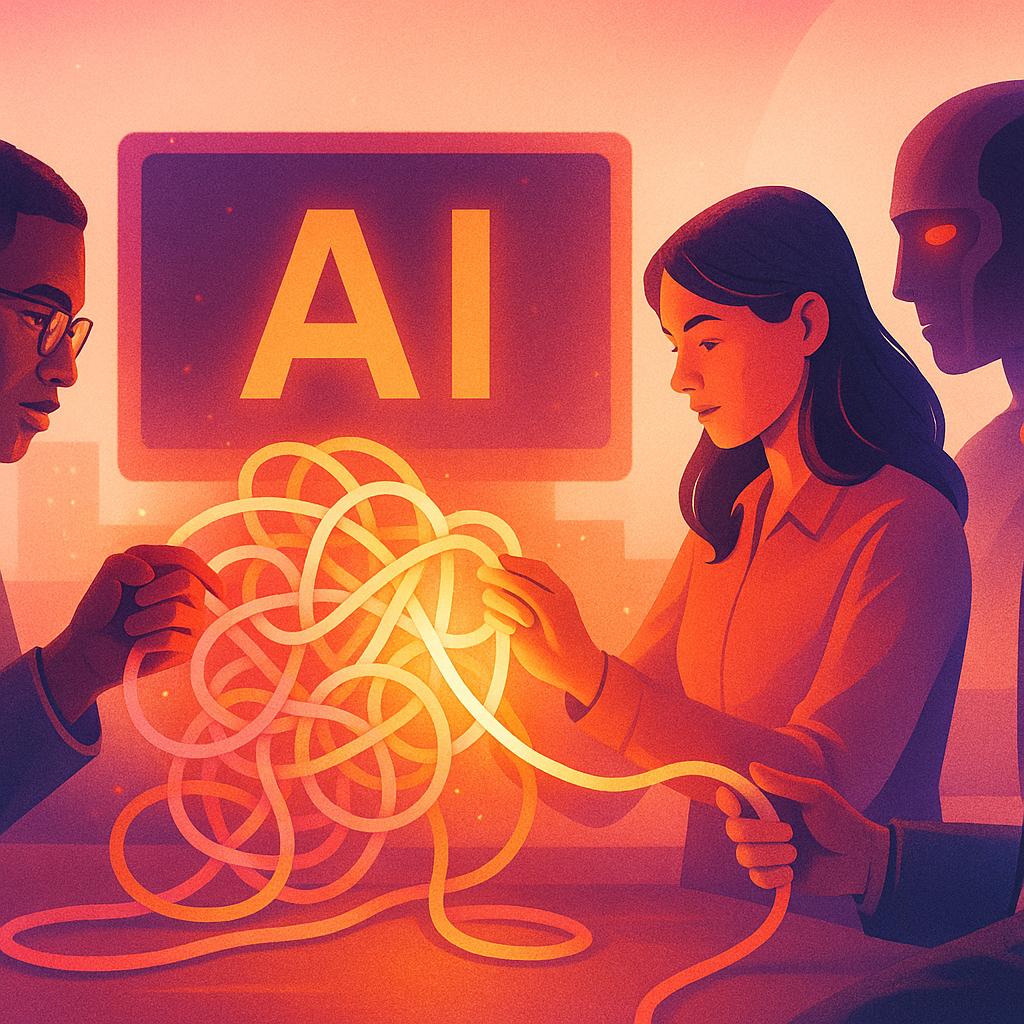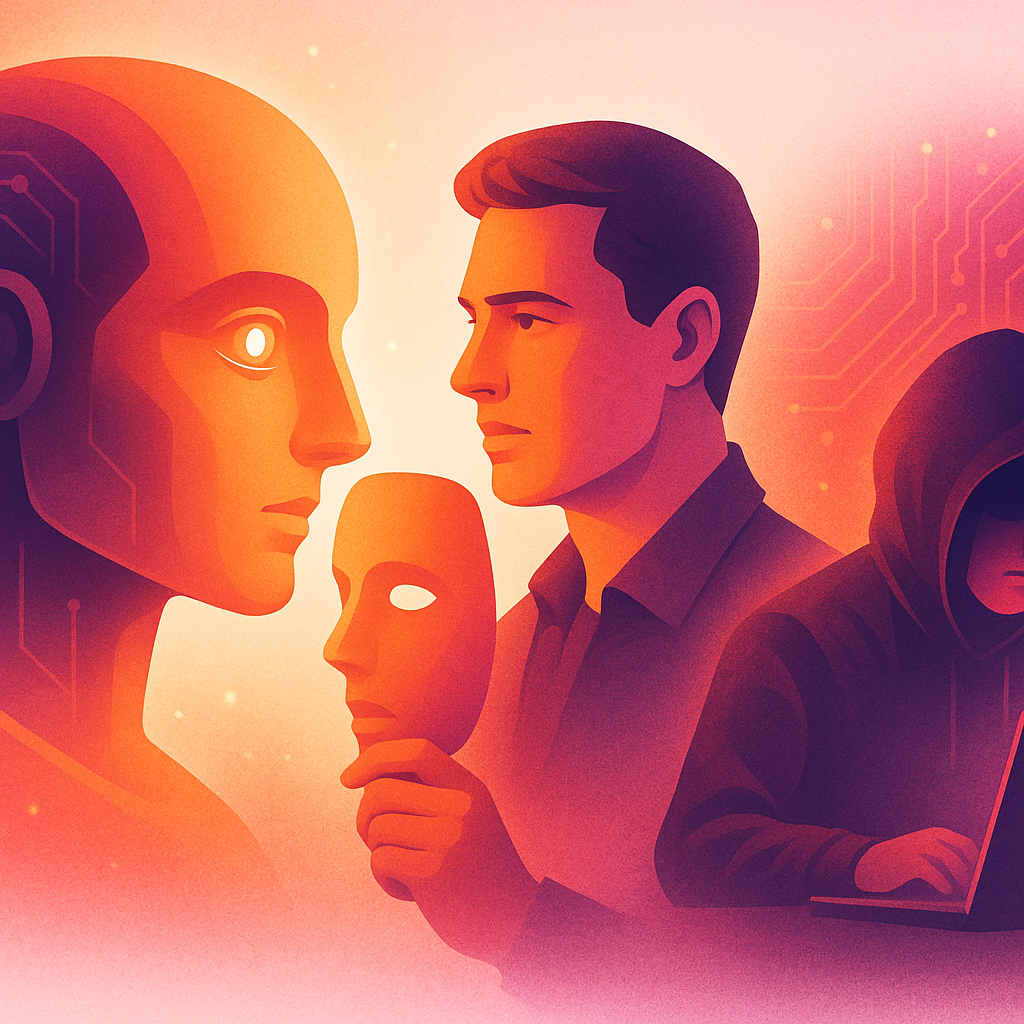
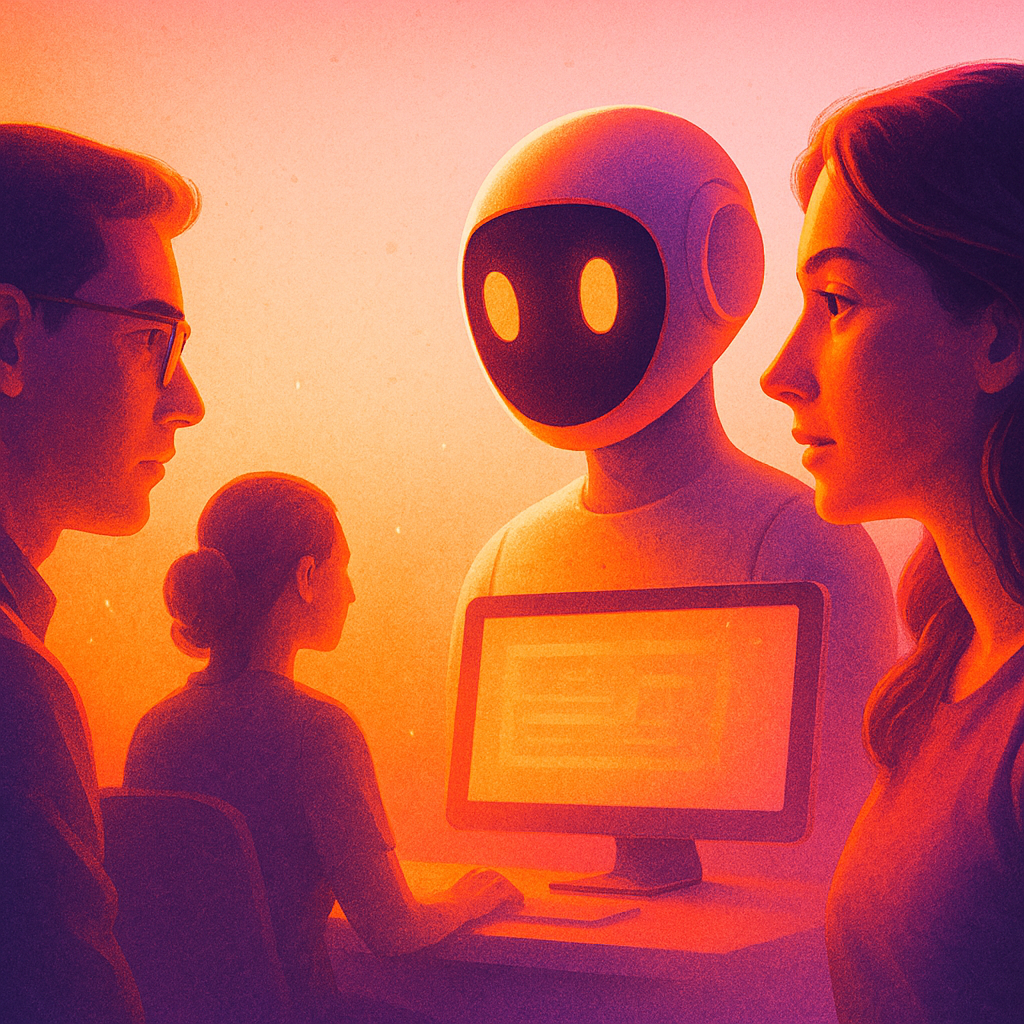


Does the future of advertising lie in the hands of Artificial Intelligence or is that a notion too robotic to keep the creativity aflame? This is the question we find ourselves grappling with, particularly when we peer into the intriguing world of Vodafone’s AI-generated advertisement. Painted with imagery meticulously woven by technology, this game-changing ad spot stands at the center of a fascinating debate on the intersection of creativity and AI.
To truly unpack this phenomenon, we need to embark on an exploration of the process that led to its birth. Anchored entirely on
AI-generated imagery, Vodafone’s ad campaign showcases the untapped potential in AI’s role within the Advertising industry. Mining from a deep well of data, AI can create comprehensive consumer profiles, enabling a customized approach to advertising that feels personal and relevant to the viewer.
The AI-powered analytical component plays a significant role in engaging audiences, such as the ever-elusive Gen Z. Operating within a digital landscape, financial brands are developing innovative tactics to resonate with this generation. The power to understand Gen Z’s preferences – their likes, dislikes, habits, and influences – is a driving force behind this shift towards AI-generated models.
However, as we step further into this exciting frontier, let’s address the elephant in the room. Has AI begun to supersede human creativity? The technological prowess of AI is undeniably impactful; however, the human element of creativity remains irreplaceable. The essence of human thought, emotion, and perception cannot be replicated, even by the most advanced AI.
There’s a fine balance to strike here, weaving AI with a human touch. The challenge businesses face today is to blend AI-generated insights with human ingenuity to craft a compelling narrative that resonates on a personal level. As we head towards that future, we need to ensure that we don’t lose sight of the irreplaceable human quality that makes advertising relatable and real.
On a different note, technology has also bred an increase in digital waste. While businesses are streamlining their processes and reducing unnecessary spending, one downside can be seen in the increase of DSP (Demand Side Platform) transaction costs. A reduced ‘made for advertising’ site spending contributes to a decrease in digital waste yet brings along some additional costs.
In a seemingly paradoxical turn of events, established TV device Roku brings a traditional feel to the advanced digital scene. Its partnership with FreeWheel to make its inventory programmatically available breathes new life into Connected TV (CTV) inventory, dispelling the notion that advancements in AI and technology are solely the realm of digital ads.
As we venture further into this AI-dominated era, we are set to witness monumental shifts within the advertising landscape. Strong narratives and compelling imagery will remain pivotal to advertising’s success, but with AI’s involvement, these aspects are set to experience a technological metamorphosis. The question then becomes, how do we deliver measurable results while ensuring adaptability and balance in this AI-driven world?
In this thought-provoking debate, one thing is clear – AI has an undeniable place in the future of advertising. Its potential to unlock new horizons and redefine our approach to creativity remains unparalleled. However, advertising’s true power lies in the seamless blending of facts and emotion, technology and human touch, analytics and creativity. The road to that equilibrium may be complex, but it promises an exciting journey and an even more thrilling destination.