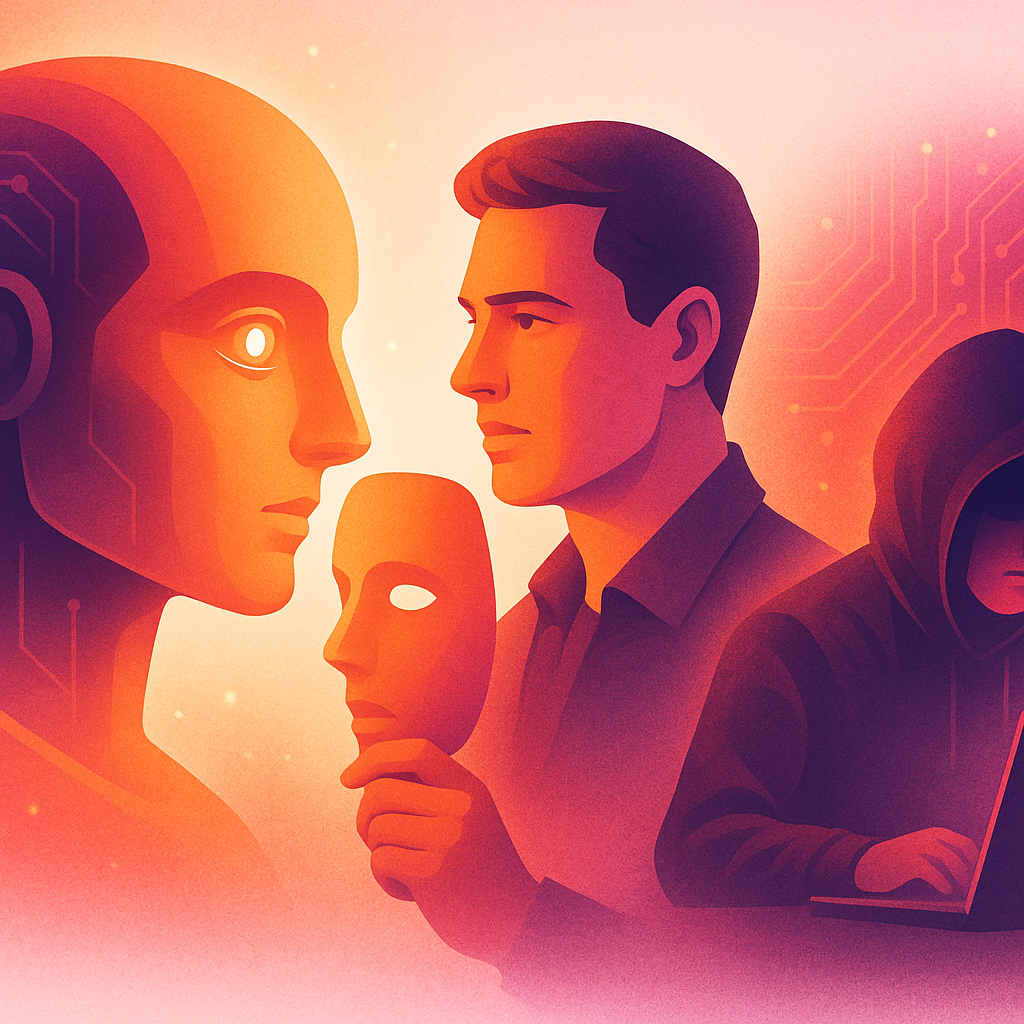


The era of digitization has brought with it a unique dichotomy, while on one hand it empowers us with knowledge and convenience, it also ushers in a new age of cybersecurity threats and identity theft. A digital footprint is no longer just about the trail of data we leave behind while using the Internet; in the realm of advanced technologies such as AI, it also encompasses digital duplicates that can replicate our images, voices, and even behavioral patterns. Consequently, the recent partnership between YouTube and the Creative Artists Agency (CAA), aimed at safeguarding digital identities, warrants a serious conversation.
Let’s try to understand this from the prism of viewership psychology. We all relish the sight of our favorite celebrities enacting their roles with panache or voicing their strong stances on global issues. But imagine the horror if those words you thought were uttered by your favorite influencer were an AI-generated simulation? Disturbing, no?
Aware of such potential hazards, YouTube and CAA have derived a solution. This strategic collaboration allows celebrities, athletes, and top YouTubers to identify and remove AI-engineered clones of their faces or voices. In essence, it provides a safeguarding mechanism to prevent impersonation and protect their digital identity. As AI continues to evolve, this move is a critical step to ensure that content creators maintain ownership and control over their digital likeness.
Now consider the implications of this partnership from a brand perspective. Brands often collaborate with popular figures to promote their products or services. Ensuring that their celebrity endorsers’ digital identities are protected means brands can maximize the impact of their marketing campaigns, safe from the fear of being sabotaged by deepfake content.
But the real gamechanger introduced by this initiative is the “synthetic singing identification technology” in the making. An answer to the rising trend of fake vocalists, this software will help music labels identify and remove AI-generated tracks mimicking real artists. This is a huge win for the music industry, securing the authenticity of artistic expression from artists to fans.
Another power move in this dynamic is the incorporation of CAAvault. This digital vault from CAA stores every aspect of a client’s likeness, from faces to voices, and full-body data. This storage mechanism is a fortification, if you may, making it a challenge for AI imposters to cross the threshold.
In essence, this collaboration is pioneering a movement—a shift in the balance of power—that positions dominion over digital identity right back in the hands of its rightful owners. It’s not mere protection against deepfakes, but an affirmation of the need for authenticity in the digital world.
Though it’s impossible to predict with accuracy where AI will take us in the future, one thing is certain: As AI gets smarter, we need to get savvier about protecting our digital identities. The synergy between YouTube and CAA sets a precedent for other digital platforms to follow suit, amplifying the importance of digital rights in every user’s life. The implications and advancements brought forth by this partnership mark a significant stride in safeguarding digital identities, not just for celebrities and big brands but for each one of us navigating this vast, ever-evolving digital landscape.
This powerful implementation is an assertion that while technology continues to evolve, efforts towards maintaining human security and integrity should not be left behind. Thus, we can safely say, tech giants aren’t just riding the AI wave; they’re also making strides to ensure that we can ride it safely and securely.