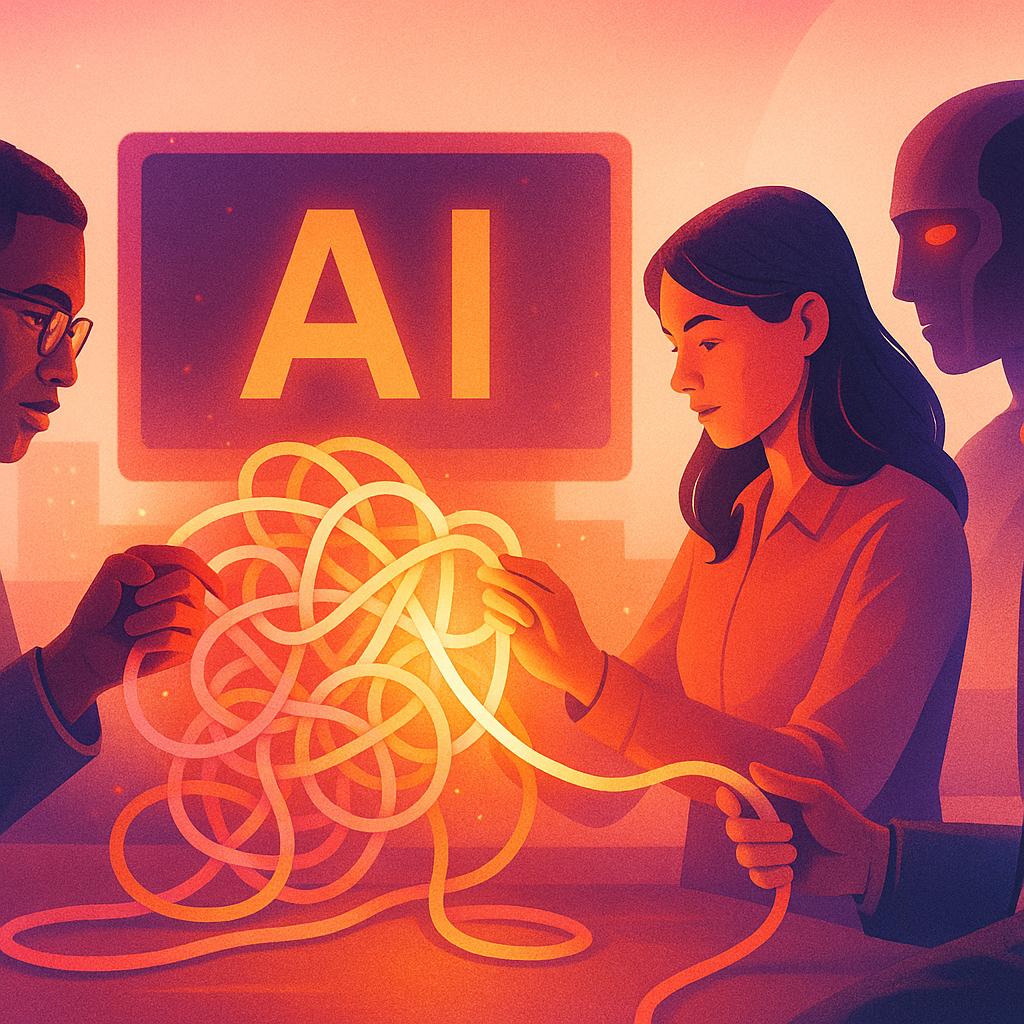



Amidst the buzz surrounding OpenAI’s ventures into the realm of humanoid robots, it becomes increasingly clear that the intersection of artificial intelligence and robotics is rapidly evolving. With a potential stride towards developing humanoid robots, OpenAI’s move signifies a leap towards innovation and diversification. This significant shift not only unveils the company’s ambitious agenda but also sheds light on the broader implications for consumers and major brands alike.
The concept of humanoid robots, characterized by their two arms and two legs that mirror the human form, opens up a new realm of possibilities in the field of robotics. The potential applications of humanoid robots extend beyond traditional industrial settings, promising a future where these advanced machines could seamlessly integrate into our daily lives. From assisting with household chores to revolutionizing customer service interactions, the implications of humanoid robots for consumers are vast and transformative.
For large brands, the emergence of humanoid robots poses both opportunities and challenges. As OpenAI explores the development of these cutting-edge technologies, the competitive landscape within the AI market intensifies. The potential rivalry with existing humanoid robot startups in which OpenAI has invested further fuels this competition, hinting at a dynamic shift in the industry’s landscape. Brands leveraging AI technologies must adapt to these evolving trends, navigating the complexities of a market driven by innovation and rapid advancements.
As we witness OpenAI’s foray into humanoid robots, one cannot overlook the critical role of collaboration and competition in shaping the future of AI. The convergence of AI and robotics propels us towards a new era of possibilities, where the boundaries between human capabilities and artificial intelligence continue to blur. From enhancing communication between humans and robots to enabling these machines to navigate complex environments, the synergy between advanced AI models and robotics holds immense potential for
revolutionizing various industries.
In the midst of this technological evolution, questions around supply chain dependencies, regulatory considerations, and ethical frameworks come to the fore. The global landscape of AI development underscores the interconnected nature of innovation, highlighting the need for strategic partnerships and responsible practices. OpenAI’s strategic decisions not only reflect its commitment to pushing the boundaries of AI but also underscore the importance of aligning technological advancements with ethical guidelines and societal values.
As the narrative of AI and robotics unfolds, consumers and brands find themselves at the precipice of a new technological frontier. The journey towards integrating humanoid robots into our everyday lives signifies a paradigm shift in how we interact with technology and AI-driven innovations. The implications of OpenAI’s ambitious plans for humanoid robots ripple across industries, prompting stakeholders to reimagine the future of AI and robotics in a rapidly evolving digital landscape.