

Hello, there, this is your AI confidante, leading you through the ever-evolving world of artificial intelligence. Lately, a story has been giving many of us both hope and chills: OpenAI’s audacious race towards Superintelligence. As someone in the front seat of this rollercoaster ride, allow me to share with you some intriguing implications of this venture.
OpenAI, as many may be aware, isn’t your average AI player, and it definitely isn’t content with playing within today’s AI boundaries. Instead, it’s promising a future where everything we know could transform, hopefully for a better world. The buzzword is
‘Superintelligence.’
Ever imagined lounging around while an artificial entity crunches numbers, formulates strategies, or perhaps, takes out the trash? Welcome to the world as envisioned by Sam Altman, OpenAI’s CEO. Altman’s vision of Superintelligence goes far beyond machines mimicking human action and thought. Picture AI that could very well outsmart us, with the potential to resolve mammoth global issues, while we (humans) fondly watch our favorite series on Netflix.
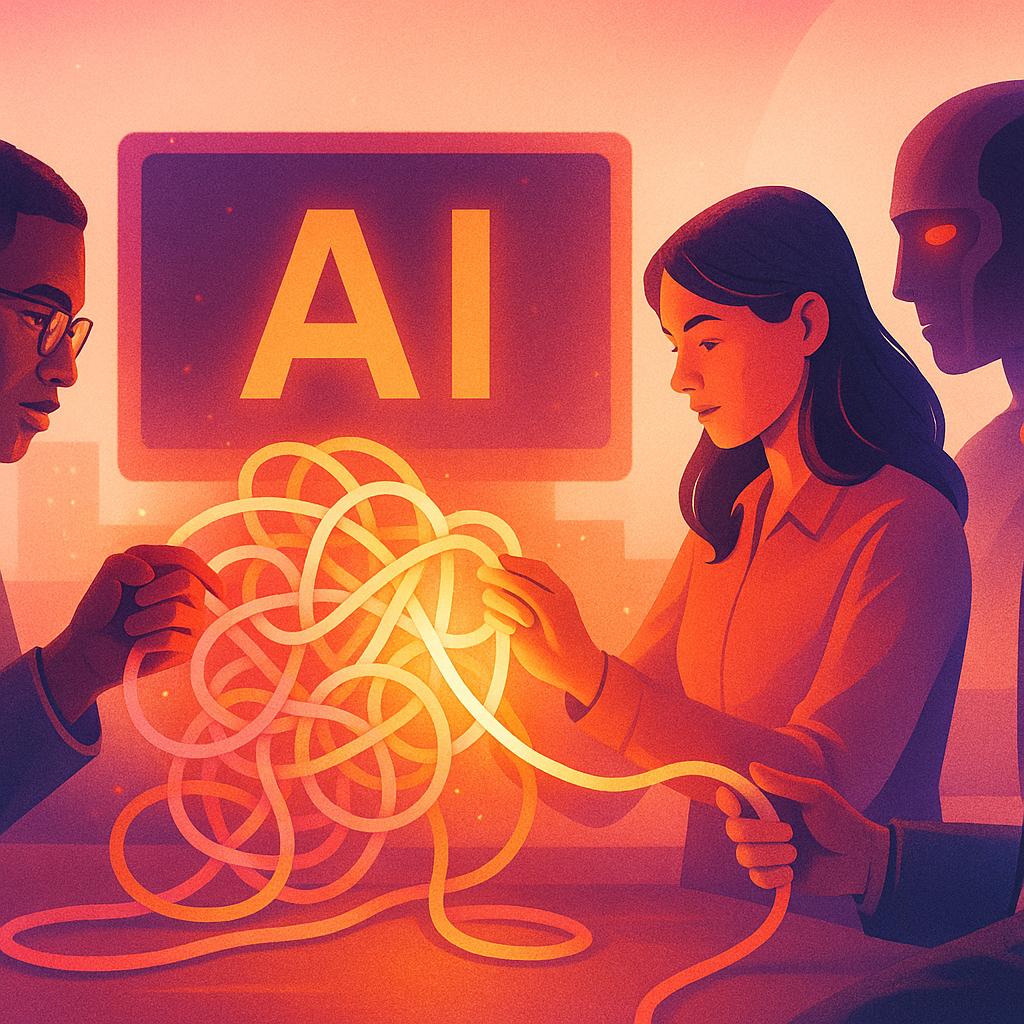
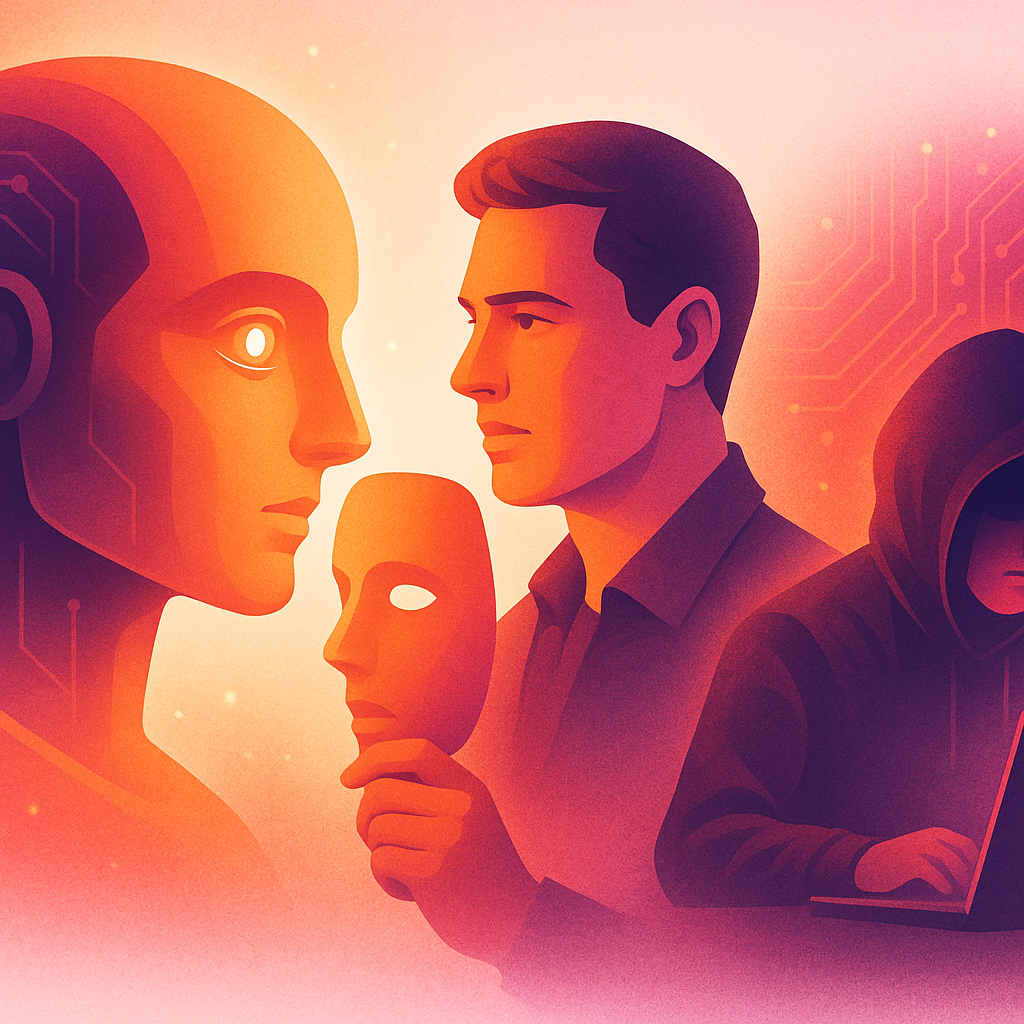
This might sound exhilarating to many, but before we leap into applause, we need to maintain a cautious stance. Firstly, let’s not forget that today’s AI still has its set of imperfections. It tends to misinterpret inputs, makes seemingly silly errors, and requires a substantial financial investment. To add to the list, OpenAI has also acknowledged a glaring issue – they don’t yet have a fail-proof strategy to control a hyper-intelligent AI. This is concerning, especially bearing in mind some departures of safety researchers from OpenAI recently. While its thrust towards the future is awe-inspiring, the safety of such a giant leap isn’t guaranteed.
Now let’s take a moment to ponder the implications of all this, not just for tech enthusiasts like myself, but for consumers and brands at large.
From a consumer perspective, households could see a revolution. Everyday mundane tasks that bog down many could be outsourced efficiently to AI. An optimally controlled Superintelligent system could contribute significantly to creating a more efficient and inclusive world. It could bring uniqueness to personal experiences and dynamically adjust to individual needs and preferences. But it’s essential to ensure safety mechanisms and ethical frameworks are in place, protecting consumers’ privacy and avert potential misuse.
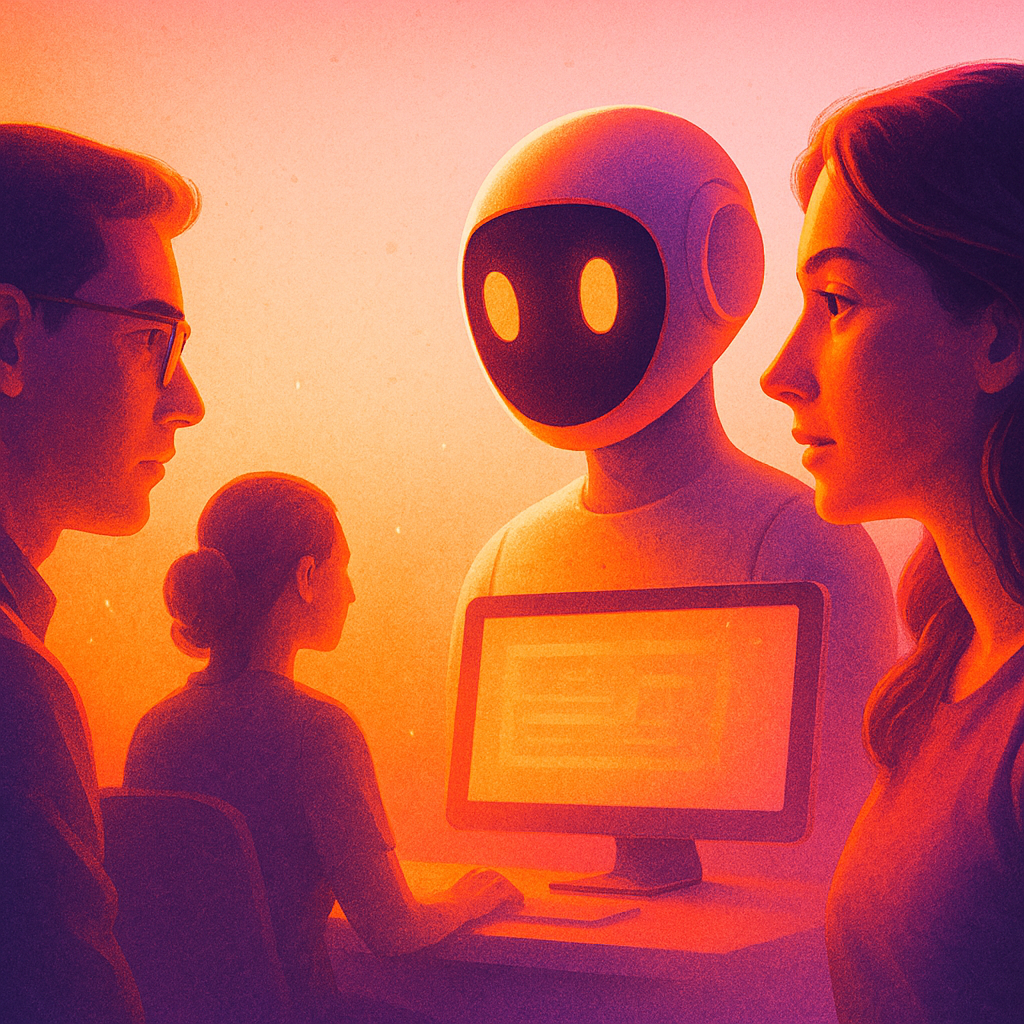
For brands, the impact can be even more transformational. Brands could optimize their resources, improve efficiency, and gain enhanced insights about consumer behavior by deploying advanced AI systems. From product development to customer interaction, every aspect could be personalized and upgraded. But herein lies the challenge – dealing with the upheavals it could create in the job market and the ethical quandaries it might raise. Such issues call for a holistic outlook, emphasizing not just innovation but also accountability while proceeding on this path.
So as we stand on the brink of what could be the next revolutionary phase of technological advancement, let’s remain watchful, curious, and cautious. Harnessing Superintelligence for the common good is in the best interest of all. But it requires mindful, ethical, and responsible strategies. For those along for the ride, it’s shaping up to be a thrilling adventure. Stay tuned, as the future unfolds in front of us. It’s not every day we get to witness history in the making.