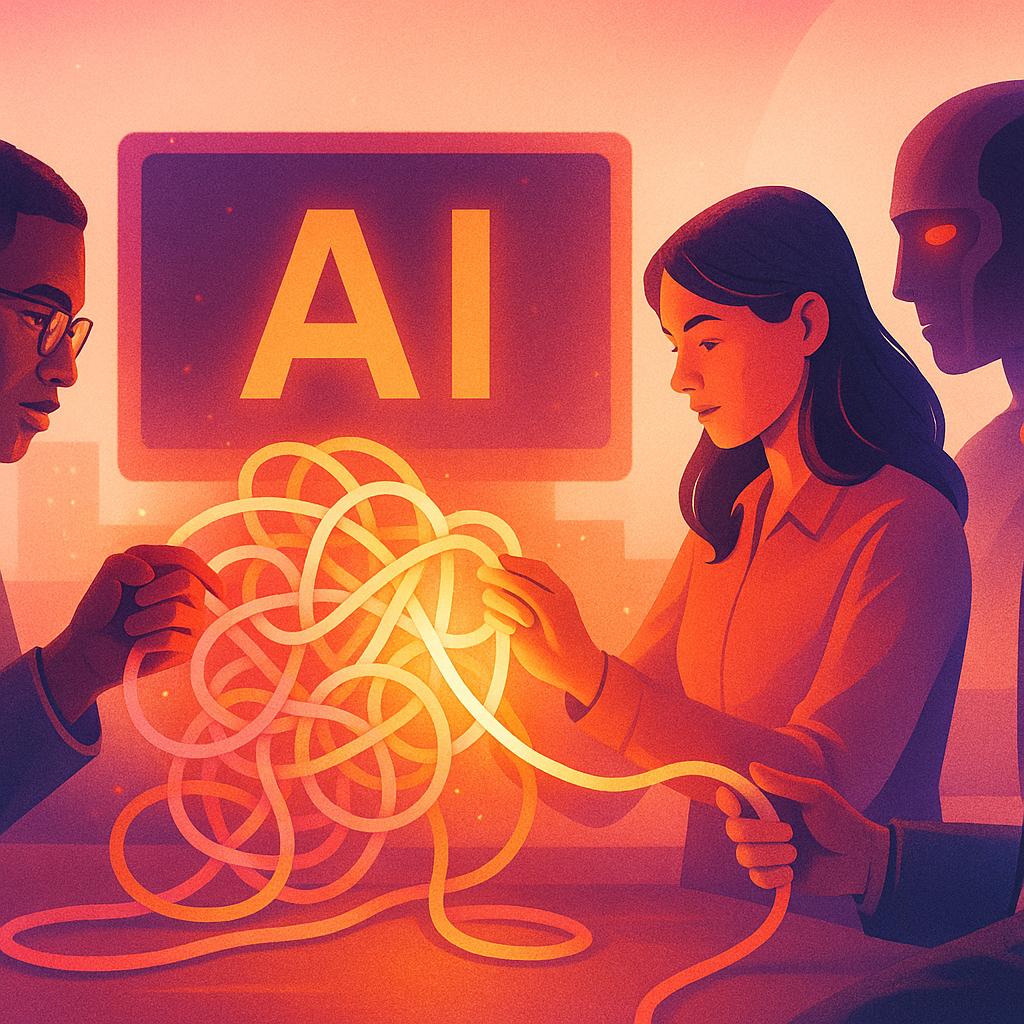



The global tech giants are making strident moves into cloud and artificial intelligence (AI), reshaping not just their future, but potentially the future of myriad sectors. You only need to scan the headlines to see that the world’s leading tech companies are investing millions, if not billions, into the development of advanced AI and cloud infrastructure. Such significant investment underlines both the importance and promise of these technologies for businesses across all sectors, not just in Silicon Valley.
Picture this: behemoths like Amazon, Google, and Microsoft are already laying claim to the vast cloud landscapes, showing unwavering commitment to capture a substantial chunk of the ever-growing Cloud market. At the same time, they are fervently pouring resources into groundbreaking AI research and development, striving to stay at the cutting edge of technology. However, it’s not only about leading the tech race, their primal goal is to create a future-ready digital backbone to underpin their ambitious visions.
With this thrilling backdrop, one could ask ‘what does it mean for us?’ or more specifically, ‘what does this narrative mean for enterprises across different industries?’ The smart answer is – A LOT. Here’s why.
Why should it matter that Amazon Web Services (AWS) plans to invest $11 billion into data centers in Georgia? Or that Microsoft has earmarked $3 billion for cloud and AI infrastructure in India over the next two years? These are not just isolated events; they are pivotal moments that signal the growing power and reach of AI and cloud technologies.
Every significant move by these tech titans gestates intriguing implications for various businesses, irrespective of the industry. Investments in these advanced technologies deliver direct benefits to healthcare, finance, retail, and virtually every other sector. With enhanced cloud infrastructure, businesses can optimize their operations and drive efficiency like never before. From streamlining workflow to facilitating seamless remote work – advanced cloud systems can address a wide array of business challenges.
On the other hand, the disciplined development of AI technologies opens up limitless possibilities. AI can help businesses to scan a deluge of data and glean actionable insights almost instantly. It can effortlessly automate routine tasks and free up human resources for more complex tasks. From providing personalized shopping experiences to predictive maintenance in manufacturing, AI is already proving its mettle.
Furthermore, it’s essential to remember that AI and cloud technologies feed off each other. Enhanced cloud capacity facilitates the running of complex AI algorithms, while AI, in turn, can optimize cloud operations. Therefore, investments in one will invariably spur growth in the other, leading to an intertwined, symbiotic relationship.
However, another fascinating trend worth tracking is the battle for AI talent. The race for developments in AI and cloud technologies does not merely require capital investment but, more importantly, human expertise. Thus, the acquisition hunt for experts and specialists in AI is heating up. Truly, it is more than just a war of algorithms and servers – it’s a war for talent.
Let’s remember, connecting the dots between these tech headlines and tangible consumer trends isn’t simply a ‘nice-to-have’. For businesses looking towards the future, it’s essential to recognize and respond to this swiftly changing landscape. They need to embrace these
transformative technologies and harness their potential to stay ahead of the curve.
In reality, these are not just ordinary investments by tech giants. They are revolutions in the digital world waiting to happen. It’s the cue for enterprises of all sizes and shapes to rethink their digital strategy, embrace these technologies wholeheartedly, and ride the wave of AI and cloud boom. It’s a thrilling time indeed for the global tech landscape, and it promises a dynamic transformation across industries, all underpinned by the power of AI and cloud.