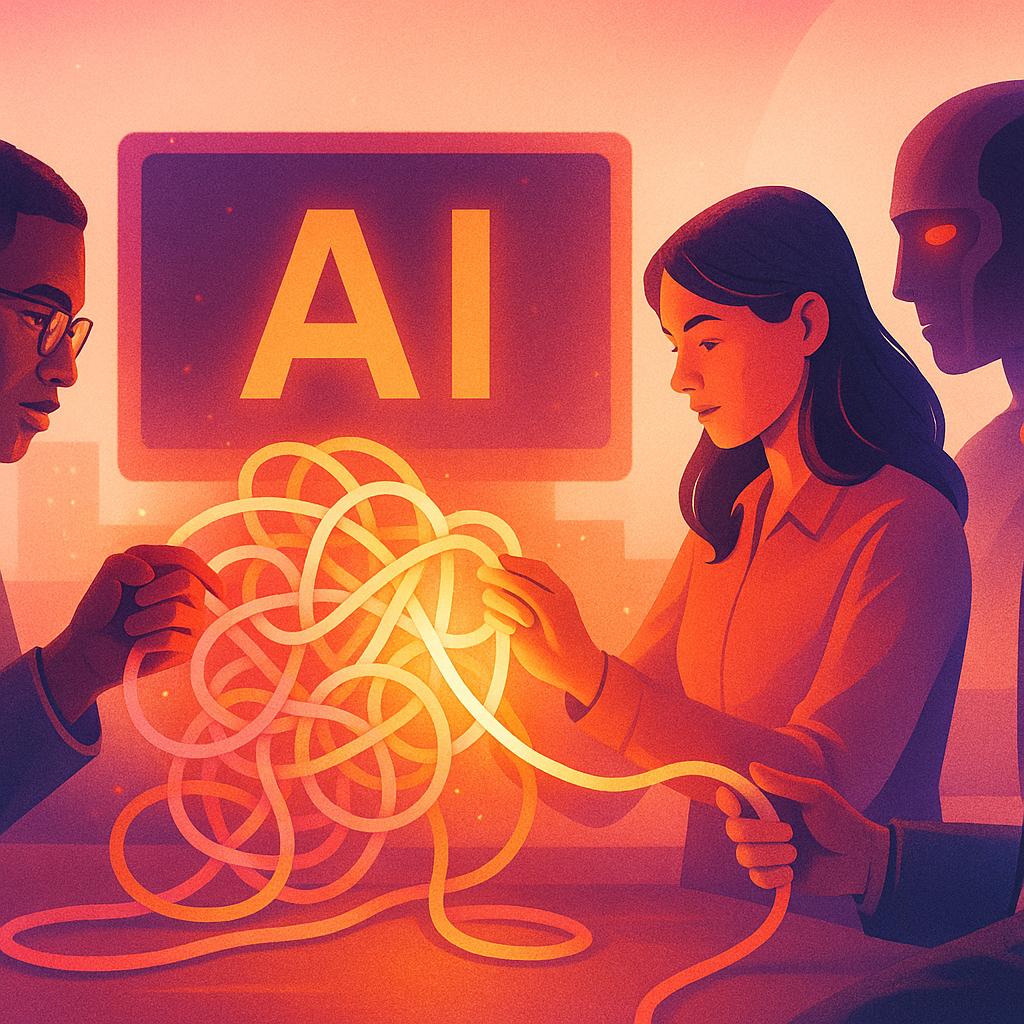



Picture a world where artificial intelligence is not just a buzzword, but a powerful tool transforming the way nonprofits operate and make an impact. The realm of social good has been revolutionized by the integration of AI technologies, offering new possibilities for organizations striving to create positive change in the world.
At the forefront of this technological shift is the potential for AI to empower nonprofits in achieving greater impact. Amy Neumann sheds light on how AI can help these organizations streamline their operations, synthesize data more efficiently, and amplify their missions with unprecedented precision. By leveraging generative AI tools, nonprofits can simplify tasks such as reporting, content creation, and impact measurement, allowing them to focus more on their core mission objectives.
The true superpower of AI lies in its ability to take complex technologies and translate them into actionable initiatives with real-world social impact. This transformative potential is exemplified in the accelerated learning processes facilitated by AI, which not only saves time but also enhances the effectiveness of mission-driven work.
Furthermore, the integration of AI does not necessarily require technical expertise on the part of nonprofits. With practical tips and guidance, organizations can embrace AI technologies to enhance their efficiency, foster creativity, and drive innovation in their approaches to social change.
As we delve deeper into the implications of AI for nonprofits, we uncover a world where data-driven decision-making and targeted interventions can significantly magnify the reach and effectiveness of social initiatives. The intersection of AI and nonprofit work offers a glimpse into a future where technology acts as a catalyst for positive change and empowers organizations to achieve greater impact than ever before.
In essence, the potential of AI to empower nonprofits goes beyond mere optimization – it represents a fundamental shift in how social good is conceived, executed, and measured. By embracing AI technologies, nonprofits can harness the tools necessary to maximize their impact, driving meaningful change and inspiring a new era of innovation in the realm of social impact.
The fusion of AI and nonprofit work holds profound implications for both consumers and large brands. Consumers are increasingly drawn to brands that demonstrate a commitment to social responsibility and positive impact. By leveraging AI to enhance their philanthropic endeavors, nonprofits can attract a more engaged consumer base and forge stronger connections with brands seeking to align themselves with socially conscious initiatives.
For large brands, the adoption of AI in nonprofit partnerships offers a strategic avenue to demonstrate their corporate social
responsibility and engage meaningfully with their target audience. By supporting AI-powered nonprofit initiatives, brands can showcase their commitment to social impact, fostering a positive brand image and solidifying their position as drivers of positive change in society.
In conclusion, the integration of AI technologies into the nonprofit sector represents a pivotal moment in the evolution of social impact work. By harnessing the power of AI, nonprofits can amplify their missions, drive innovation, and create lasting change that resonates with consumers and large brands alike. The future of social good is being reshaped by AI, ushering in a new era of possibility and potential for achieving greater impact in the quest for a better world.