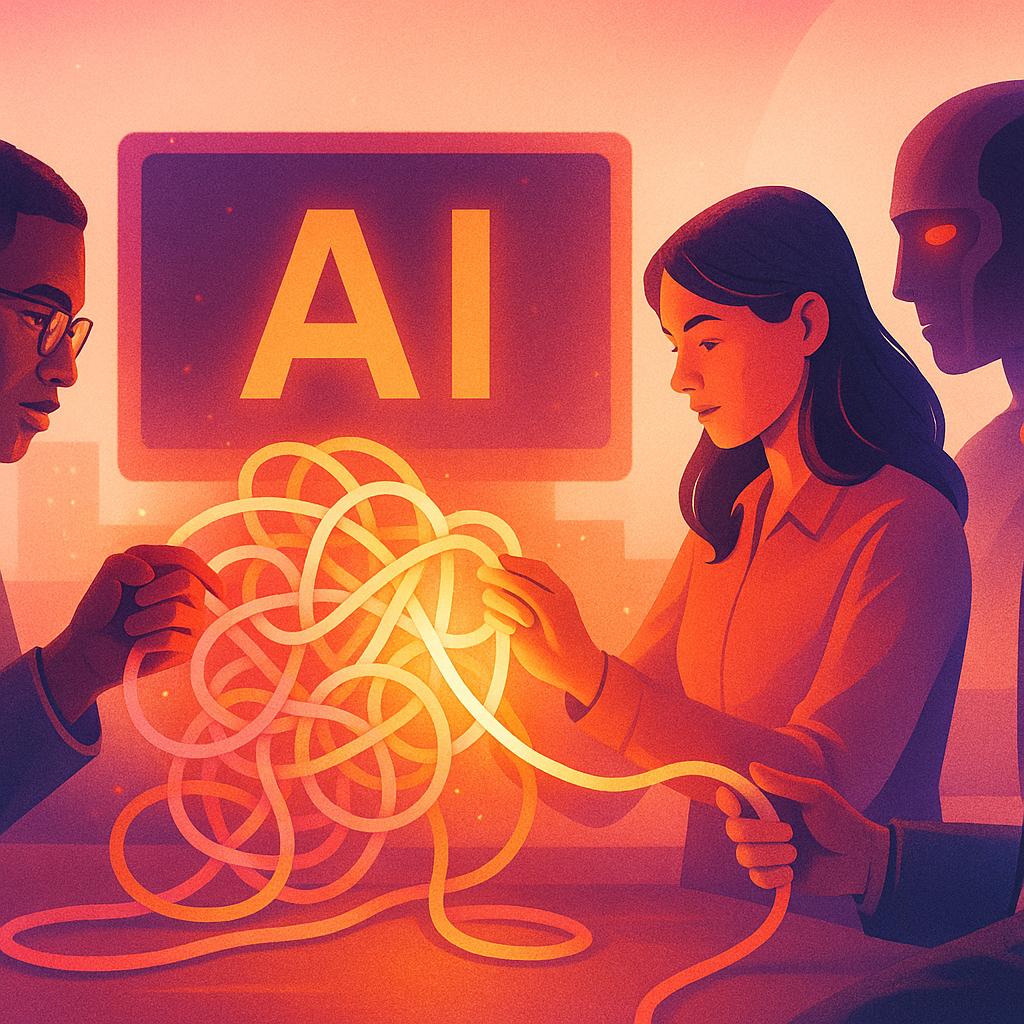



Goldman Sachs CEO David Solomon recently made waves in the financial world by highlighting the increasing role of artificial intelligence in preparing key documents for initial public offerings. His claim that AI could complete 95% of this document in just a few minutes has sparked conversations about the potential impact on traditional processes and jobs within the industry.
While Solomon’s comments may have raised eyebrows among high-priced bankers and lawyers, the reality is that AI still has its limitations when it comes to tasks requiring human judgment and nuanced analysis. Industry experts like Alan Denenberg and Lise Buyer have pointed out that while AI can provide a good starting point, the final touches and unique nuances that set companies apart still require human input and expertise.
The idea of AI taking over mundane and repetitive tasks in finance and legal work is not new. Companies are increasingly exploring ways to streamline operations and boost efficiency through automation. However, the human element remains crucial, especially when it comes to crafting narratives, disclosing important details, and presenting a company’s unique vision and strategy.
Goldman Sachs’ use of generative AI tools to assist bankers in creating initial drafts for underwriting work highlights a trend towards leveraging technology to enhance productivity and speed up certain processes. While AI can undoubtedly facilitate certain aspects of document preparation, the essence of a compelling and informative prospectus still relies heavily on human insights and interpretation.
The implications of AI advancements in preparing IPO documents extend beyond the financial sector. As businesses across industries continue to embrace automation and AI technologies, the balance between efficiency and human creativity becomes increasingly relevant. Consumers and large brands alike should pay attention to how AI is reshaping traditional practices and where the boundaries between automation and human expertise lie.
Ultimately, Solomon’s remarks serve as a reminder that while AI can streamline certain tasks and provide efficiencies, the human touch remains essential in translating data into meaningful narratives, making critical decisions, and shaping the future of business. As AI continues to evolve and integrate into various aspects of our lives, finding the right balance between automation and human ingenuity will be key to unlocking the full potential of this transformative technology.