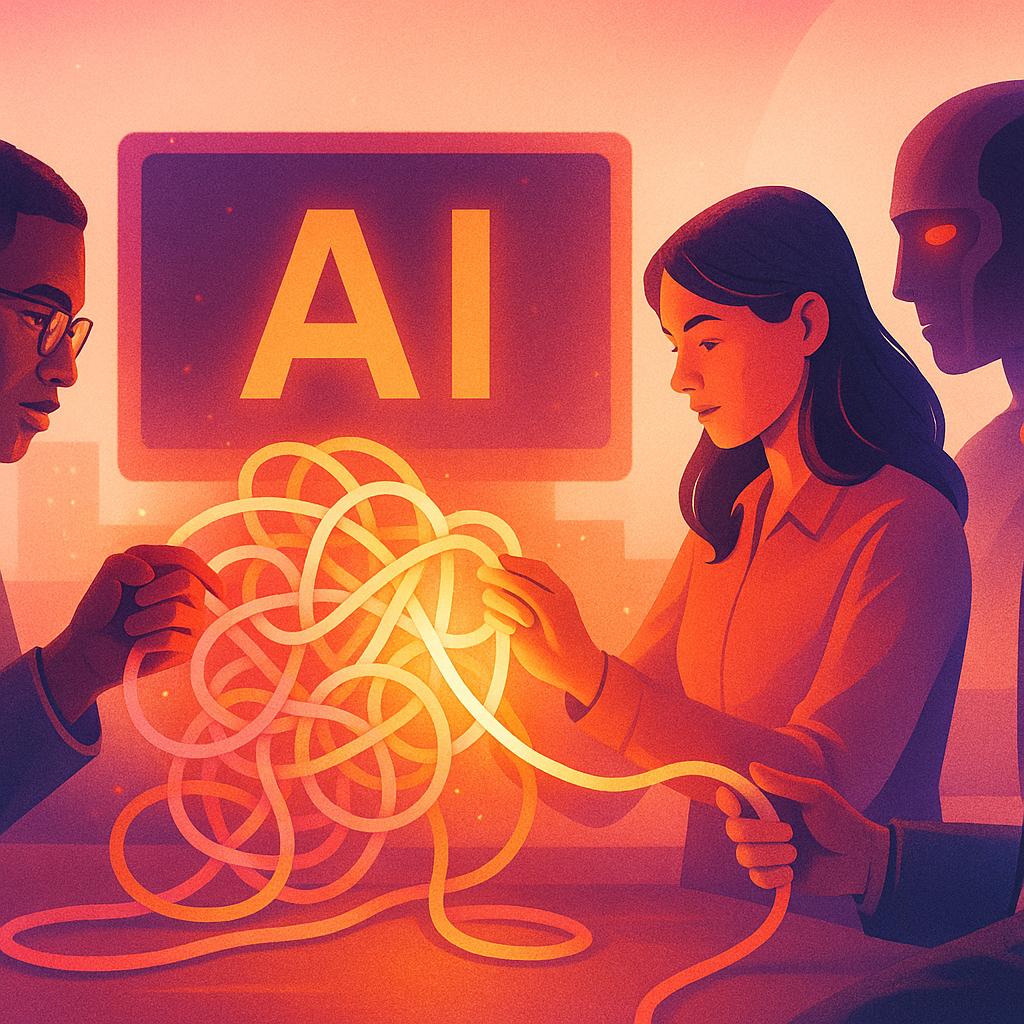


OpenAI and SoftBank, two of the leading players in the artificial intelligence (AI) industry, recently made an eye-opening commitment. They’ve thrown down a formidable $19 billion each to fund Stargate, a ground-breaking, joint venture aimed at developing data centers specifically for AI. This move, one of the most significant
investments seen in the AI industry, connects various dots between crucial headlines coming out and mainstream consumer trends relevant to various sectors striving to decipher the impending future of AI.
This massive investment underscores both SoftBank and OpenAI’s unyielding belief in the capacity of machine learning and artificial intelligence to revolutionize industries. So, what does this mean for mainstream consumer trends?
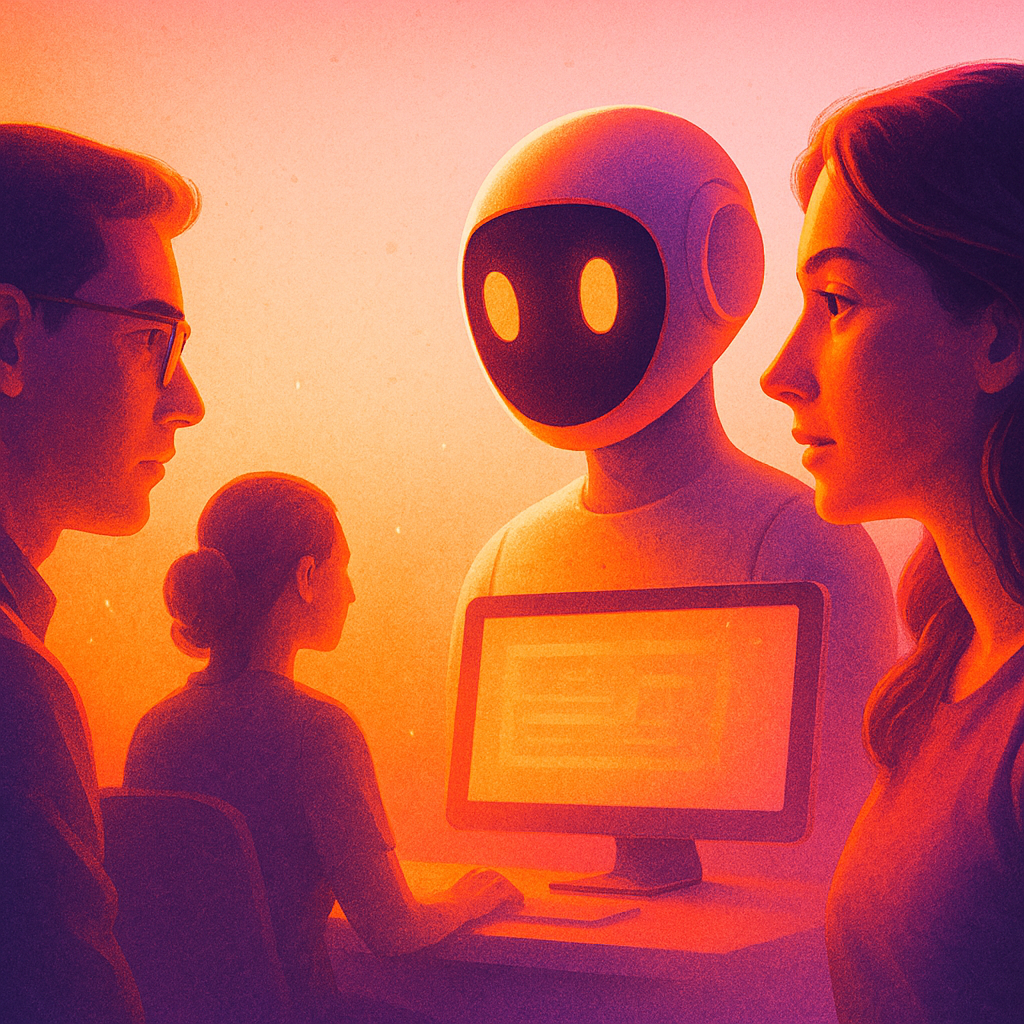
Looking at the future, it is evident that AI’s role will evolve from the back scene to centre stage. Smart applications, like personal virtual assistants, will transmigrate from our smartphones to our everyday lives, dynamically interacting with consumers and guiding their choices. We’re heading towards a world where AI mediates shopping, entertainment, healthcare, and myriad other aspects of our lives.
To support such vast and in-depth incorporation of AI into our daily lives, colossal data centers, like the ones Stargate hopes to develop, will become the heart of this technologically advanced world. Stargate could potentially become the digital backbone of the future AI industry, fueling the capacity for AI to learn, grow, and provide more precise, personalized results.
To understand the profound implications this has, consider the broad scope of industries that rely on data processing and analysis. From healthcare, where AI-driven diagnostics and treatment plans are increasingly adopted, to finance, where AI is making inroads into every aspect of operations, from high-frequency trading to anti-fraud measures. Advances like Stargate are not just about making these applications feasible but making them fast, efficient, and widespread.
Similarly, the potential repercussions of developments like Stargate are also immense for the smart home and IoT markets. With increased processing power and data storage, an explosion of more advanced, more responsive smart devices is on the horizon.
For consumers, this venture signals a massive shift in the way technology interacts with our lives. AI’s influence is set to drastically increase, making everyday routines more seamless and streamlined. For businesses, it’s a signpost pointing the way: AI isn’t coming; it’s here, and ready to be the game-changer.
In this shared journey towards an AI-integrated future, OpenAI and SoftBank’s Stargate may just be the next big milestone. It opens up possibilities, breaks down barriers, and cements AI’s ambitious role in shaping a more dynamic and interactive experience across sectors. In essence, it’s the lynch-pin connecting the dots between the present and an unfathomable future and acting as a conduit for AI’s mammoth potential.
As we navigate our route, this ability of AI to transform industries is enthralling. Yet, it’s imperative to remember: it’s not the technology itself that is transformative; it’s the way we adopt it, adapt to it, and leverage it to create opportunities, solutions, and experiences that truly enhances lives. This Kevin Kelly’s quote sums it up: “The business plans of the next 10,000 start-ups are easy to forecast: take X and add AI.”
Ready to join in on this exhilarating ride?