

Welcome to the world of tomorrow, where artificial intelligence isn’t just a feature – it’s the whole darn operating system. And you know who’s leading the charge? YouTube. Yep, the video streaming giant where cat videos and vloggers reign supreme is digging its heels deep into the techno-future with a bold AI vision for the future.
In the latest annual letter from YouTube’s top brass, they made their intentions clear – AI is more than a high-tech tool for them, it’s a game-changer, the future, the Big Kahuna. And they’ve certainly put their money where their mouth is. Over the past year, we have seen YouTube rolling out AI-powered tools for creators like video idea generators, thumbnail creators, and language translation features.
Now, they’re upping the ante. YouTube’s Partner Program members will soon gain access to AI auto-dubbing features, making it easier to reach global audiences – and show off their linguistic skills (or lack thereof).
But hold your horses, folks, because not everyone is enamored with this shiny AI future. Some fear that the floodgates will open and the hallowed halls of YouTube will be deluged with low-quality,
AI-generated gunk. Others, however, see AI as a synthesizer to the creative process, augmenting rather than replacing human creativity.
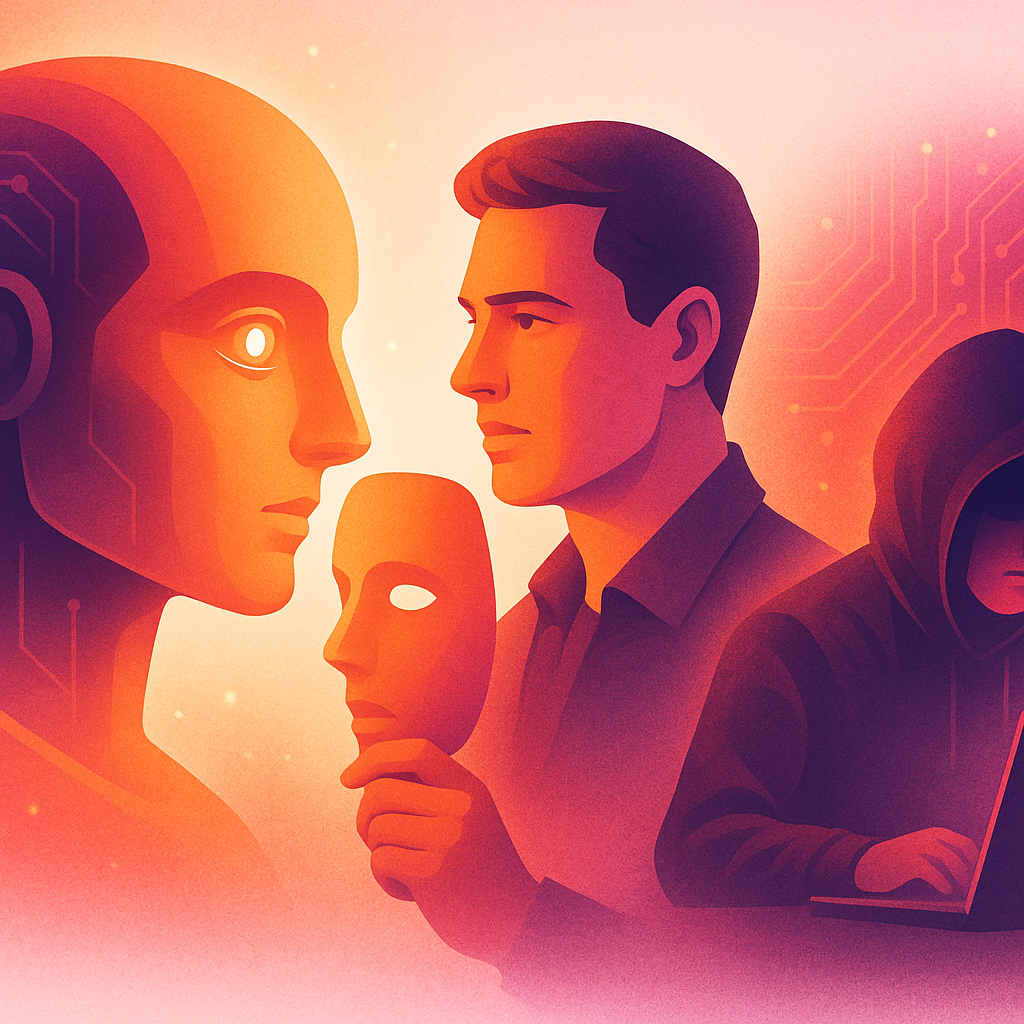
To manage potential chaos, YouTube is expanding its AI detection efforts, working with Creative Artists Agency (CAA) to help people identify and manage AI-generated content that mimics their face or voice. It’s a big step towards managing potential misuse of AI and offering a safer platform for users.
But that’s not all, folks. YouTube, ever the trailblazer, is planning to estimate users’ ages using their fancy machine-learning tech, to serve age-appropriate content. But what happens if their all-knowing AI conflates a fresh-faced 25-year-old with an underage teen? Or even worse, treats a mature-looking teenager as a full-blown adult? “Expect some chaos,” as the saying goes.
Besides AI, YouTube has other big plans in the pipeline. They’re gunning to reclaim their throne as the cultural hub of the digital age, squash the rise of YouTubers as the new Hollywood glitterati, and focus more on TV screens. In fact, for the first time, TV screens have surpassed mobile as the most popular way to watch YouTube in the U.S.
YouTube’s embrace of AI is poised to reshape the future of content creation, and everyone – consumers and brands alike – will be swept up in this exciting wave of change. However, whether this bold
AI-inundated future will bloom into a technicolor utopia or descend into a chaotic jungle of deepfakes and robotic voices is anyone’s guess.
In a surprising plot twist, the U.S. and U.K. decided not to hitch their wagon to the grand AI Summit Agreement. While 61 countries, including China, India, Japan, and Canada, pledged to develop an AI that’s open, transparent, safe, and trustworthy, the U.S. made it clear that they would follow their own path towards AI dominance.
The refusal of two significant players like U.S. and U.K. to sign the AI Summit Agreement raises lots of questions on the global cooperation on AI governance. As we watch the drama unfold, one thing is clear – the debate over global AI governance is far from over, and we are just getting warmed up.
In this fast-changing landscape, it is essential to stay on top of the news and understand the potential impact – whether you are an AI enthusiast, a consumer, or a brand owner navigating through the digital market space. As the tectonic plates of the digital landscape continue to shift, knowing how to leverage AI and manage potential chaos will be the difference between sinking or swimming.
So, grab your popcorn, keep your eyes on the horizon and buckle up for a wild ride as we journey into the AI-infused future. It’s going to be an interesting one.