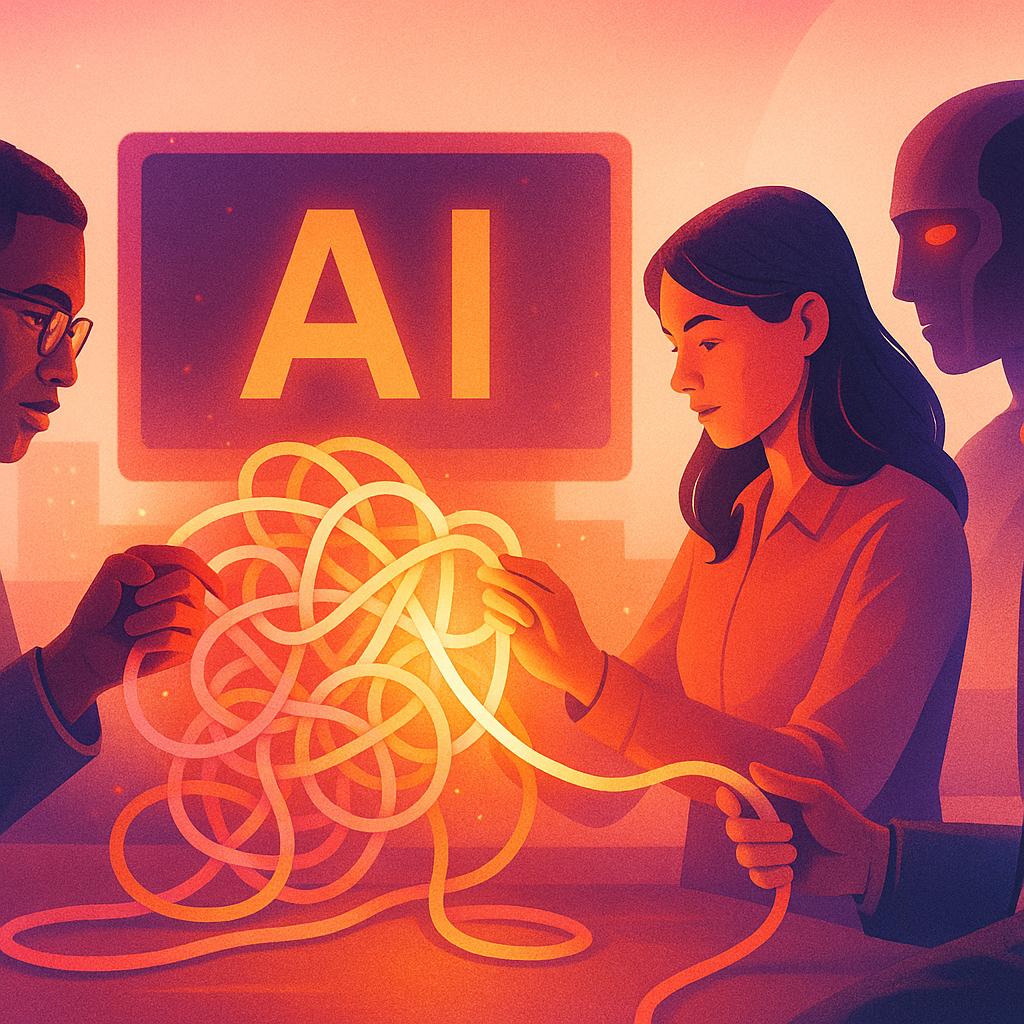



In the continuous race to stand shoulder to shoulder with advancements in technology, recent trends in the tech industry have seen a spectacular embrace of the future: the union of established tech giants and defined frontiers of Artificial Intelligence (AI). While it makes for a cheering spectacle, it also raises intriguing prospects for long-standing issues like energy consumption and sustainability.
Take, for instance, the recent ripples that reverberated through the technology world when Apple announced its partnership with Alibaba, China’s e-commerce giant, to develop AI features for iPhone users in China. Carving a new path in the field of AI, this partnership signals not just the global span of AI’s influence but also its unmissable link to the consumer industry, reminding us how these tech titans are looking for ways to make technology more personal, efficient, and user-friendly.
But with a broader perspective, this collaboration is more than just a strategic business decision. It’s an acknowledgment of the immense power AI holds and how it can cater to the individual needs of consumers on an unprecedented scale. Imagine this: A world where your iPhone not only recognizes your voice commands but understands your behavioral quirks, preferences, and can even predict your needs based on your past history. Amazing, isn’t it?
Yet, an innovation of this magnitude brings with it the not-so-easy task of powering these AI features. That’s where ventures like those undertaken by Amazon and other tech giants to harness nuclear power come in. To meet AI’s colossal need for electricity without harming the environment, these companies are turning to dormant, decades-old nuclear plants and a new generation of reactors that promise virtually limitless, carbon-free electricity. Such measures are a bold step forward in balancing the march of technology with the nourishment of the planet.
By making strategic moves towards reliable, sustainable power sources, these companies are acknowledging and acting on their role in the global climate conversation. This reflects a rising recognition within the technology industry that with great power (and AI certainly is ‘great power’) comes significant environmental responsibility.
This journey, by no means easy, puts forth a valuable lesson. It shows how commitment to sustainable practices doesn’t restrict progress but, instead, paves the way for innovative methods to power our future. From AI-driven products catering to the individual requirements of consumers to tech giants adopting green energy sources, every step is an example of a balanced embrace of advancement while staying grounded in principles of sustainability and responsibility.
In the grand scheme of things, these initiatives and partnerships are not just about redefining boundaries of innovation or meeting business goals. They tell an inspiring tale of technology’s power to transform and transcend, deepening our understanding of AI’s potential, its demands, and the impact on our world. It paints a picture of a future that superbly blends technology, sustainability, and consumer experience, built on the remarkable canvas of AI.
So, as we journey into a world increasingly shaped by AI, remember this: it’s not just our devices or software that becomes smarter and more intuitive. Equally, we become more aware of our surroundings, more responsible for our actions, and hopefully, more human in our interactions. And that’s perhaps the most exciting feature AI offers us – a reflection of our potentials, our foibles, and our aspirations.