


AI Comes for the White-Collar Worker: Implications for Consumers and Brands
In a world driven by technological advancements, the rise of artificial intelligence (AI) assistants is rapidly reshaping the landscape of specialized fields such as law, medicine, and
entertainment. The recent AI Agenda Live conference shed light on how these AI assistants are not only enhancing productivity but also posing a potential threat to traditional job roles.
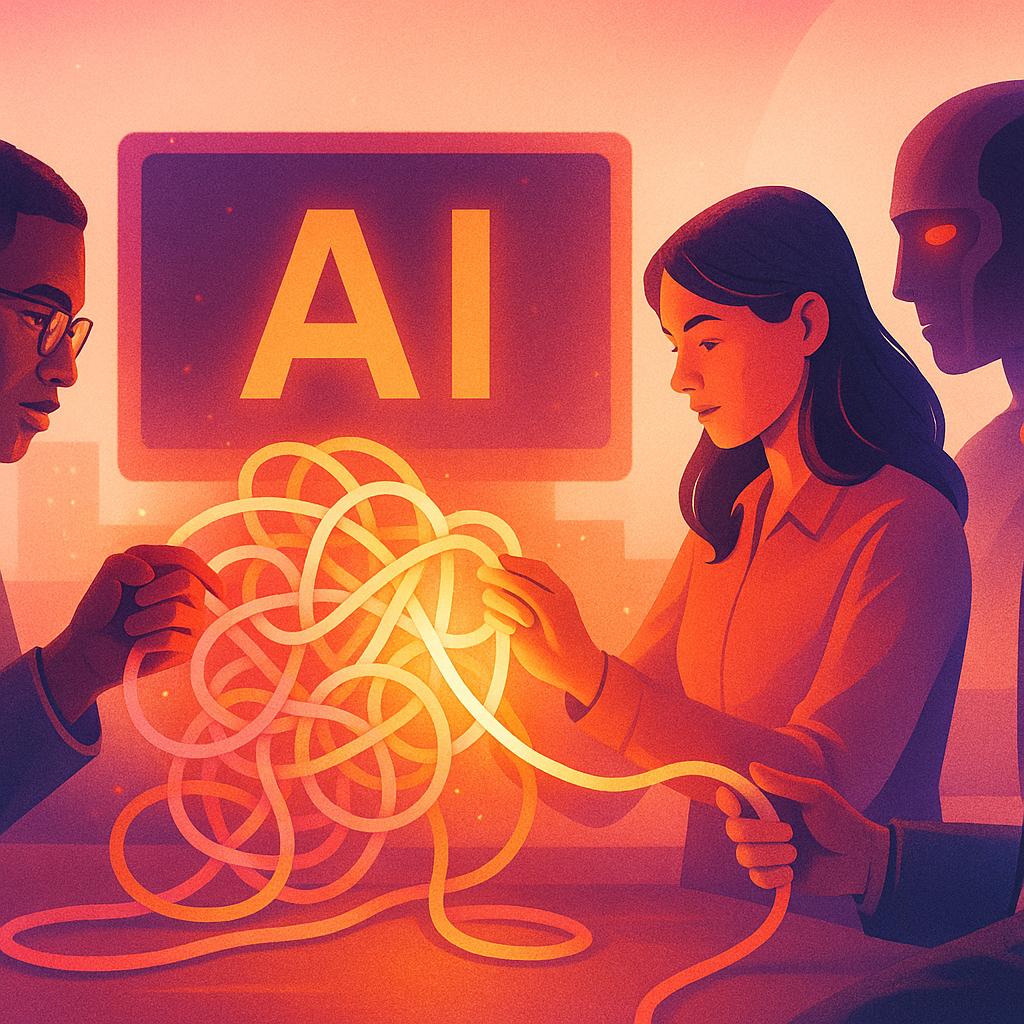
The speakers at the conference, including industry leaders from Glean, Anthropic, and Google, painted a picture of a future where AI assistants are seamlessly integrated into various professions, revolutionizing the way tasks are performed. Arvind Jain, CEO of Glean, highlighted how tech companies are actively exploring ways to streamline operations by potentially replacing human employees with AI-powered solutions in areas like IT, HR, and customer service.
For consumers, the implications of this AI-driven transformation are significant. With AI assistants becoming more sophisticated and capable of handling complex tasks, consumers can expect a more efficient and personalized experience in fields that rely on specialized knowledge. From receiving tailored legal advice to accessing accurate medical diagnoses, AI assistants have the potential to revolutionize the way consumers interact with services in these domains.
Large brands, on the other hand, need to adapt to this evolving landscape to stay competitive. Embracing AI assistants can offer brands a competitive edge by enabling them to streamline operations, improve customer service, and enhance overall efficiency. By leveraging AI technology in specialized fields, brands can deliver better services to consumers while also optimizing their internal processes.
As AI assistants become more prevalent and capable of handling specialized tasks, both consumers and large brands need to navigate this changing paradigm to harness the benefits it offers. Embracing AI technology can lead to increased productivity, enhanced consumer experiences, and improved operational efficiency. The shift towards AI assistants in specialized fields is not just a trend; it’s a transformative force shaping the future of work and consumer interactions.