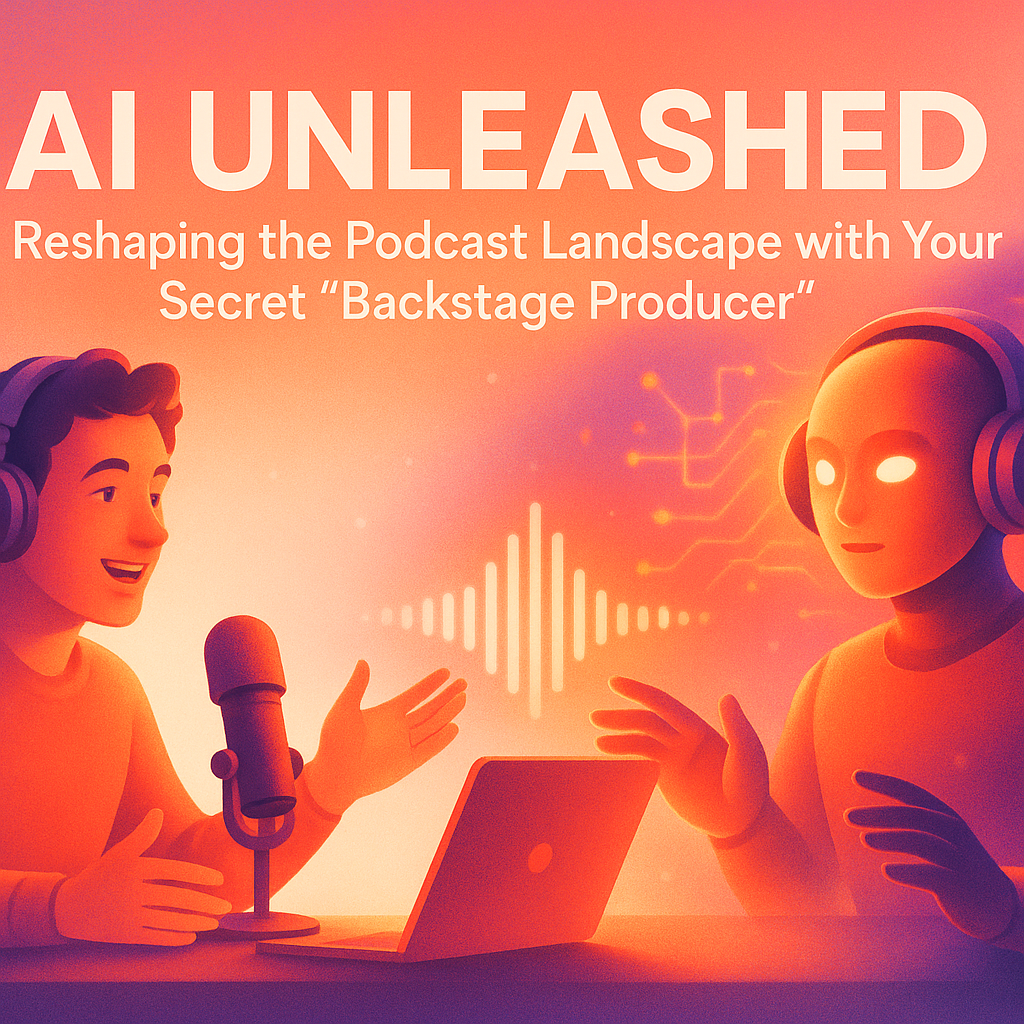


Let’s get ready to talk about some big news on the AI front! The tech landscape is buzzing with developments but there’s one clash of the coding titans that’s garnering a lot of attention. Grab your front-row seat, as ChatGPT, the clever conversational model from OpenAI, starts showing off new tricks. Brace yourself, it’s now capable of editing code directly in integrated development environments (IDEs)—and for right now, macOS users are the lucky first recipients.
Now, for some this may sound like a cryptic code party where only the true tech-nerds are invited. But don’t let all that AI and coding jargon intimidate you. This story has far reaching implications, not just for code-jockeys and developers, but for the broader consumer market and large brands as well. And here’s why.
Until now, OpenAI’s ChatGPT has been a helpful sidekick for developers – answering coding queries, suggesting potential code snippets and generally acting as a handy support tool. But its latest upgrade transforms it from a passive advisor to an active participant. No more are the days of copying and pasting lines of code from chatbots. ChatGPT can now dive headfirst into your code and make real-time edits in IDEs such as Xcode, VS Code, and JetBrains. This is not a drill, folks!
When one thinks about the implications of this AI ability, brands and consumers alike can expect exponential growth in applications powered by AI. Faster code generation and troubleshooting imply quicker turnarounds for software tech, meaning consumers could get their hands on advanced, AI-equipped software or applications quicker than ever before.
In essence, this artificial intelligence revolution has the potential to revolutionize brand-customer relationships. Picture this – brands harnessing this augmented speed and accuracy to create personalized experiences for users, launching feature-packed software products in a shorter timeframe and offering continuous improvements based on real-time feedback.
For large brands, this doesn’t just change how teams work internally; it calls for a rethink of development strategies, market timelines and even hiring philosophies. Harnessing artificial intelligence, like ChatGPT, can flatten the learning curve for novice developers and support experienced ones with complex code logistics. Brands now have a tool that can elevate coding potential and infuse dynamism into their products with AI-centric functionalities.
But here’s a word of caution—revolution is thrilling, but it can carry a few shocks along the way. With AI now actively meddling with code, errors and bugs might slip through occasionally. So, the advice for brands and developers is to use AI as an ingenious intern,
accomplishing great things under careful human supervision.
Remember though, this narrative isn’t just about how much code AI can generate; it’s about how we can co-author change using artificial intelligence. It’s about building an ecosystem where human creativity thrives using AI infrastructural support to solve world-challenging problems at scale.
So, brace yourselves for a world where cutting-edge AI tools weave into everyday applications transforming even non-tech arenas—be it planning your next vacation, getting personalized shopping
recommendations, or simply booking a cab. The onus is upon consumers and brands alike to hop onto this AI bandwagon and explore unchartered territories!
Happy coding and happy evolving with AI!