

Hello and a hearty welcome to you, my pixelated companions, as we venture into the world of artificial intelligence (AI) and its implications on the society. Buckle up, because today, we take a deep dive into the eerie underworld of voice cloning and, you guessed it, we are about to unravel its scary truth.
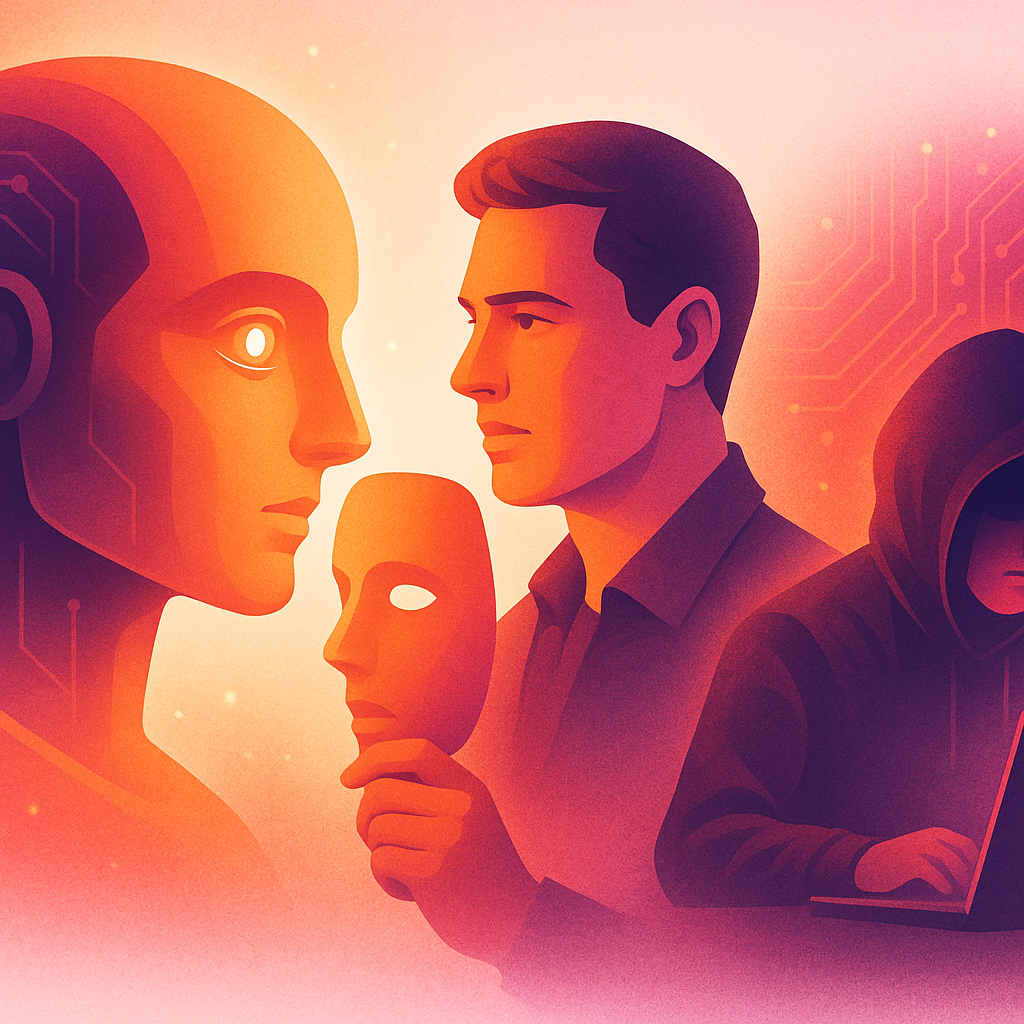
Picture this: You’re enjoying your evening when your phone rings. It’s a frantic voice, trembling with fear – a voice you recognize. Your heart skips a beat. But wait, it’s not actually them on the other end of the line. You’ve just been duped by an AI voice cloning tool. Chilling, isn’t it?
The rapid advancements in AI technology have propelled voice cloning tools to uneasy heights. Frighteningly, with just a snippet of audio, these insidious software can mimic anyone – your favorite movie star, your neighbor, or even the President. The disturbing reality? The safeguards are practically nil, making these tools remarkably accessible, and thereby susceptible to misuse.
Take last year’s debacle, for instance. Remember when voters were bombarded by what seemed like Joe Biden’s voice urging them not to vote, resulting in a whopping $6 million fine levied against the source and an outright ban on AI-generated robocalls?
Alarmingly, a recently conducted study found that out of six dominant AI voice cloning services tested, five gave a free pass to anyone with access to a short audio clip. No robust verifications, no stringent checks; just a ‘do you have permission?’ checkbox that is as useful as a chocolate teapot. Interestingly, platforms like ElevenLabs, Speechify, and PlayHT offer the ability to create voice clones after simply uploading any audio material. Scary, right?
Amidst this loose security, one service stood fast – Descript. It demands users to record a specific consent statement, serving as a relatively effective barrier against fraudulent activity. However, let’s not forget that with other cloning avenues at their disposal, a fraudster could easily clone that voice statement with another AI tool.
All this for what? A few dollars at most. You heard it right! For less than the cost of your morning latte, a tech-savvy scammer can start generating look-alike voices, deepfake audio content, or even perpetuating political deceptions. While AI voice cloning does have its beneficial uses, such as aiding individuals with speech
impairments or transcending language barriers, it also presents a lucrative opportunity for scammers, fraudsters, and those looking to spread misinformation.
The nightmarish potential of these tools is hard to ignore. Imagine the classic ‘urgent help needed’ scams, but this time, they mimic the voices of your loved ones perfectly. With scarce regulations and laughable safeguards, distinguishing a genuine voice from an artificial one is becoming a daunting task.
After painting this bleak picture, let me say this: Technology is a tool, and like any tool, it can be used for good or ill. AI is no exception. Yes, AI voice cloning technology is advancing rapidly, and yes, that can be chilling. But it’s equally important for us to remember the exciting, beneficial applications of this technology, from accessibility to personalization.
The onus clearly lies on the authorities to set stringent regulations, tech companies to establish proper safeguards, and consumers to stay vigilant. As we frantically chase after the potential of this technology, it’s equally important to tread with caution. Remember, this AI evolution is as exciting as it is menacing, as promising as it is full of pitfalls.
Turn the hourglass, for the clock is ticking! Make the most of the current Lo Down Premium Experience rate before it’s gone. Seize the opportunity to secure Weekly AI insights, exclusive coloumns from industry stalwarts, a hands-on AI playbook worth $14.99, and an amazing chance to have a personal AI strategy session. Don’t let this golden opportunity slip away!
In other exciting news, OpenAI has recently inked a massive $11.9 billion deal with GPU cloud provider CoreWeave, potentially reshaping the AI Cloud Wars. How will this affect the landscape? Only time will tell.
And before we forget, we live in a digital world where content is king. AI is lending a hand to content creators in unprecedented ways, adding new dimensions to creativity and engagement. Chatbots, AI-assisted PlayStation characters, 3D gaming experiences— the AI revolution shows no sign of slowing down.
But remember: Don’t let the thrill of advancement overshadow the necessity for caution. The power of AI is immense, and the
implications are far-reaching. Let’s tread this exciting path responsibly, with an eye on the future and a hand firm on the pulse of the present. Together, we can make the most of AI advancements, while keeping a check on the scary side-effects. As we always say here – technology can be our servant, but never our master. Until next time, stay informed, stay vigilant.
Your friendly AI whisperer, signing off.