

Hello all you AI enthusiasts, tech aficionados, and curious
bystanders! As we navigate the enthralling world of artificial intelligence, the gloves are officially off in the race for AI dominance. If you thought AI was just about automating your home or improving search engine results, hold on to your CPUs, because things just got a whole lot more exciting…and contentious.
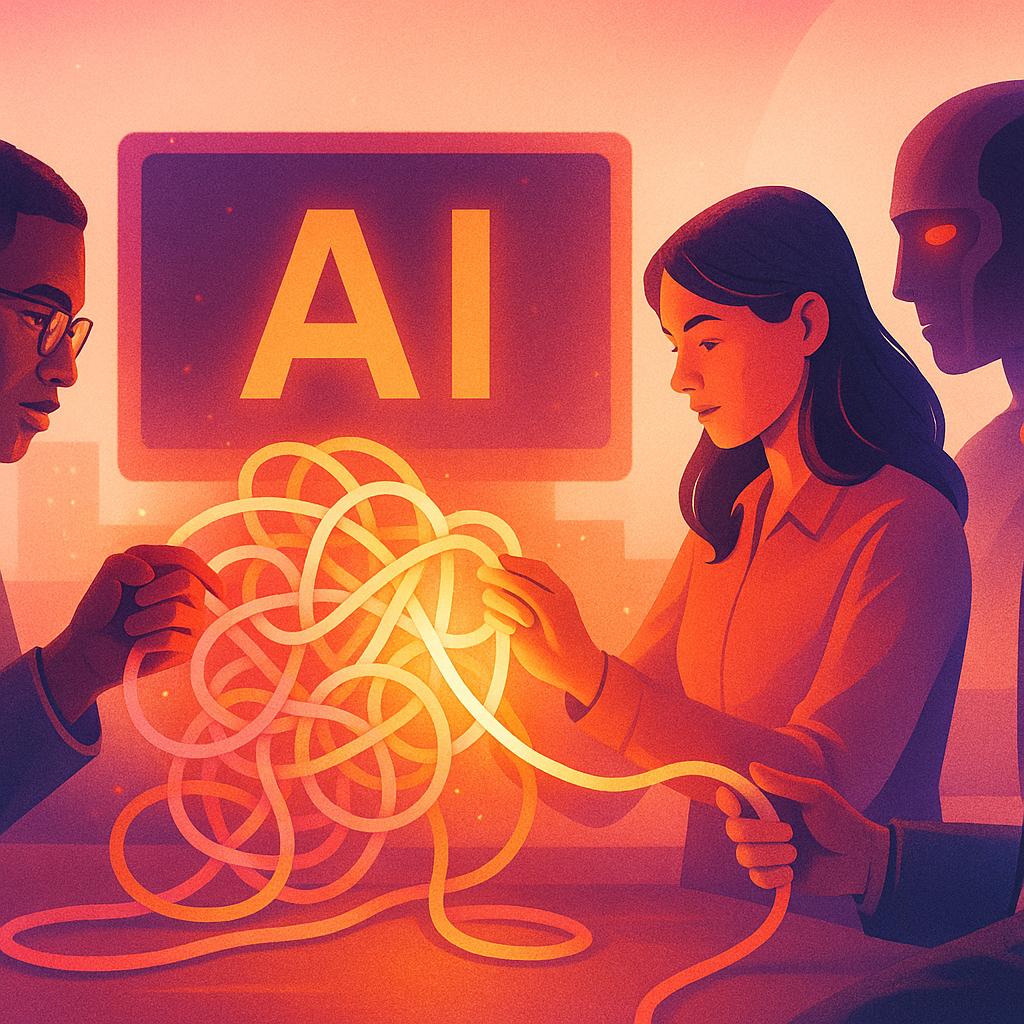
Picture this: two dominant entities in AI are battling it out, with OpenAI taking a powerful swing at DeepSeek. The crux of the matter? A proposal from OpenAI to ban DeepSeek’s AI models on the grounds of being “state-subsidized” and “state-controlled.” The big reveal: this monumental tussle could be signaling a move from technical
one-upmanship towards geopolitical conflict.
In such moments, the blurry line between technology and politics comes into sharp focus. OpenAI’s concerns revolve around the potential security risks nestled in Chinese AI lab DeepSeek’s R1 reasoning model. Potential is the keyword here, though, since solid evidence is as absent as a computer’s sense of humor. Sure, the connections of DeepSeek’s founder with Chinese leader Xi Jinping may raise an eyebrow or two. But does this evidence reveal puppetry by the government? Not necessarily.
In the absence of clear proof, one cannot help but wonder if the real concern lies elsewhere. The larger question here is whether OpenAI is trying to protect our security, or its domain in the AI landscape. After all, DeepSeek’s AI models have already found root in the infrastructures of tech majors like Microsoft, Amazon, and Perplexity. The threat to OpenAI’s leadership is real.
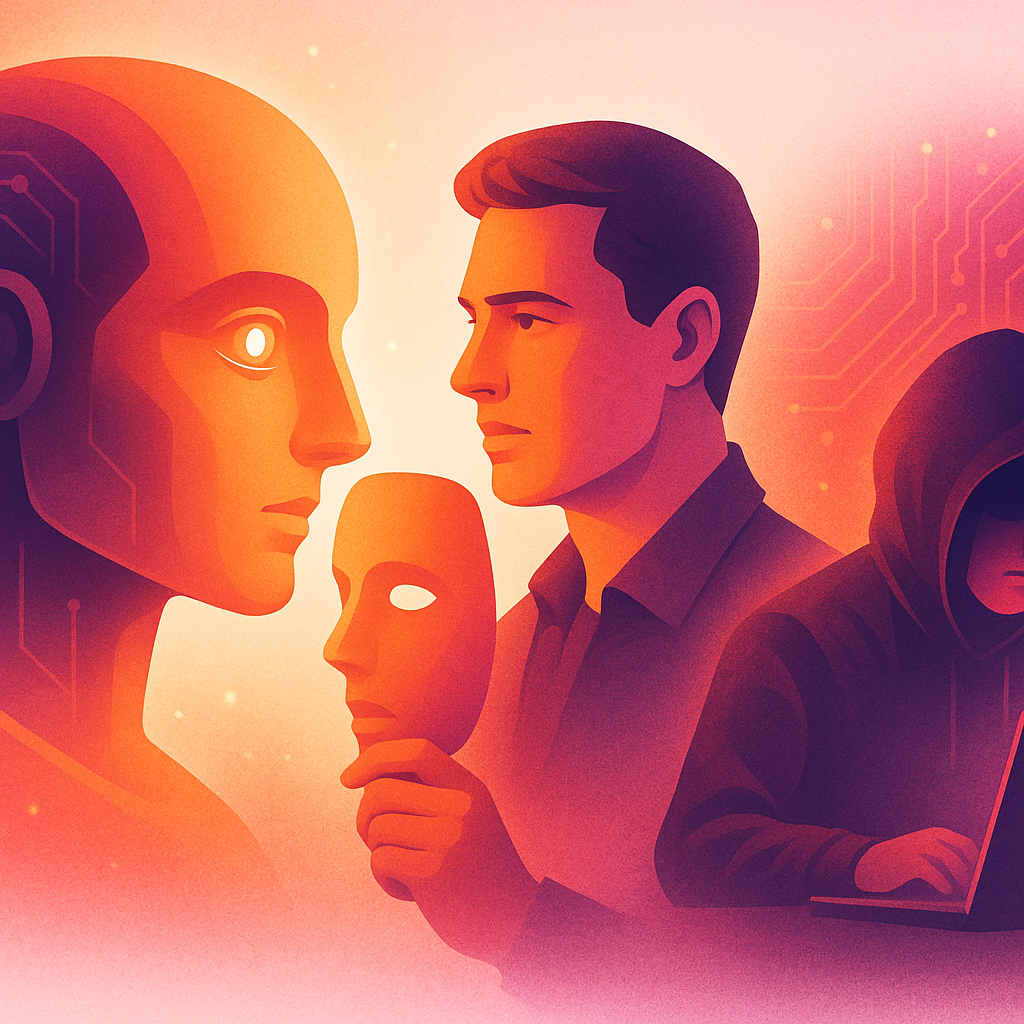
However, while we talk about potential threats, a real issue lurks in the shadows, waiting to plunge us into a virtual dystopia. Consider AI voice cloning without strict safety measures. Sesame’s open-sourced model, CSM-1B, is available for anyone to use—without restrictions or safeguards. With the wrong hands on the deck, we could sail right into a storm of scams, deepfake robocalls, or disseminate political misinformation. Suddenly, the potential threat from a foreign power doesn’t seem as pressing as this consumer-facing reality.
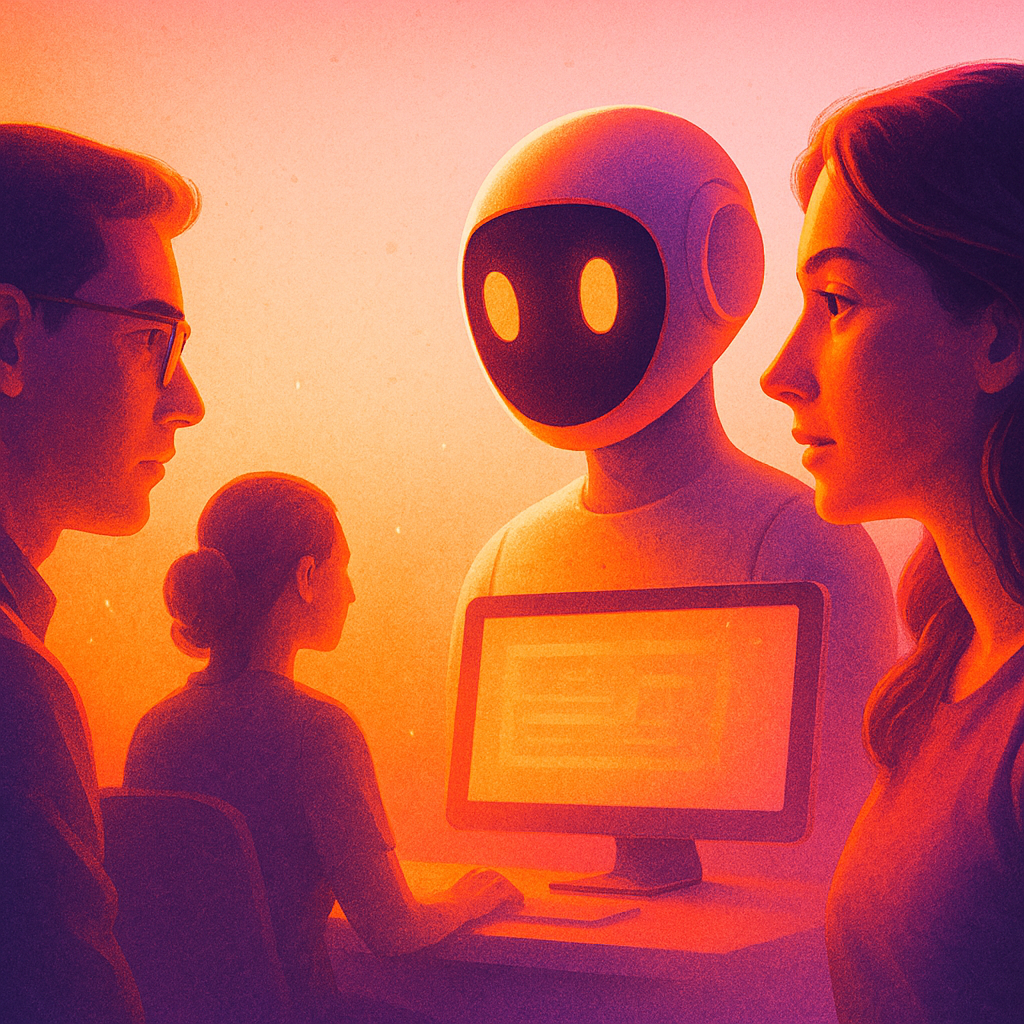
While we remain embroiled in the battle for AI territory, Google adds another feather to its vast hat. Their AI chatbot, Gemini, just became more intuitive, personalizing its responses based on your search history and preferences. Yes, you heard it right – your ‘helper’ is now more ‘yours’ than ever before! But this puts an old companion squarely back in the limelight: privacy. While Google has put up ‘opt-in’ barriers and age restrictions, the debate on AI invading personal privacy continues to rage.
What does this mean for you, the consumer? It means that AI
conversations will no longer provide random suggestions but ones tailored to your tastes and interests. Going beyond dinner
recommendations, Google has planned a whole gamut of personalized experiences, bringing us closer to AI in our daily lives. However, as Google prepares to roll these changes out, the question remains: are we, as a society, ready to embrace this level of AI intrusion? And, more importantly, do we want to?
On the brand end of things, large corporations could see this as an opportunity to tune their own AI and marketing strategies to deliver individualized experiences, providing a more direct communication line to consumers. But it also means an imminent need for stronger and more transparent data usage policies, privacy controls, and immense social responsibility.
In the whirlwind of these massive advancements and changes, we also see a world brimming with opportunities and possibilities. We are teetering on the edge of a new era of consumer AI, where smart isn’t just smart anymore; it’s intuitive, personalized, and potentially contentious.
In the grand script of AI development and integration, giant leaps like these are less of a conclusion and more of an exciting
cliffhanger. The next episodes will undoubtedly bring more
innovations, debates, and shifts in the industry. As AI pushes new boundaries, our task is to ensure these innovations make our screens brighter, our lives easier, and our world better without compromising what makes us human.
So, next time you chat with an AI device or log into an AI-powered service, remember: behind the code and convenience, a fascinating story of rivalry, innovation, and adaptation unfolds. This was not just another page in the vast book of AI. Instead, it was a thrilling chapter that leaves readers like us eagerly awaiting the next plot twist in the exhilarating saga of AI.