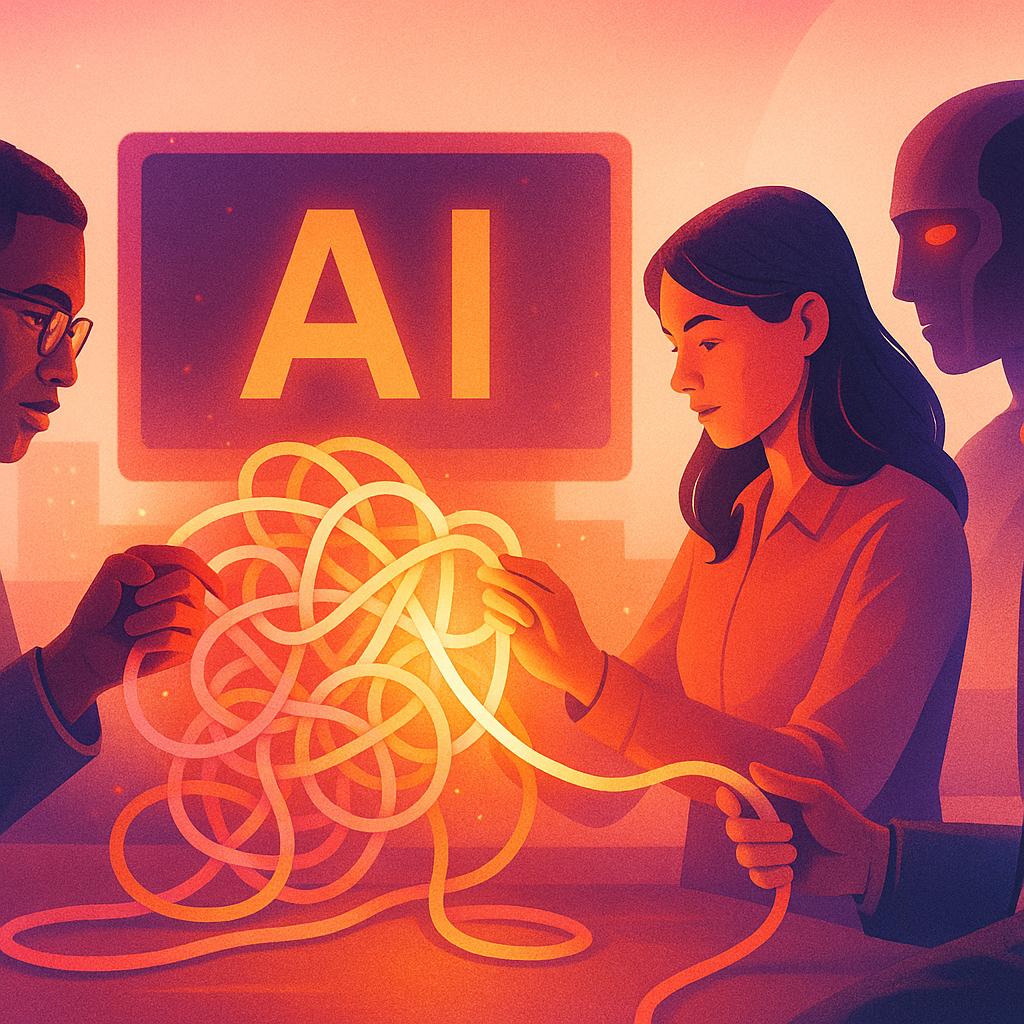



In a blink of an eye, or perhaps in the hum of computer processor, the realm of Artificial Intelligence (AI) has experienced a phenomenal surge. Recent headlines scream of new funding and dynamic
partnerships, signifying the rapid expansion and investment in the sector. The transformation is mind-boggling, beginning with the curious glimmer in a scientist’s eye and now, a global explosion of AI-based solutions. But let’s not simply skim through these exciting developments. Let’s dive deep with the curiosity of a programmer, and untangle the complex threads of these trending narratives in the AI world.
Let’s begin this journey by considering some familiar names. Nvidia, for example, has soared to previously unimagined heights, now ranking as the third most valuable company in the world. Its uncanny ability to design chips that are ahead of their time has made Nvidia the spearhead of AI hardware innovations. Elsewhere, leading tech giants like Google, Meta, and OpenAI are frantically scrambling to unravel the newest offerings by Nvidia. Yet, is it all rosy in this
high-paced, tech-driven race?
Listening in on the GTC developer conference, it becomes clear that not every Nvidia customer shares the same zeal for their latest offerings. There’s a palpable anxiety as businesses grapple with constant upgrades and the relentless march of technology. However, the divide becomes especially stark when we shift focus from tech giants to a broader palette of businesses. These smaller players, often seem content with existing technology, questioning the urgent need for constant updates.
This throws in a rather challenging dynamic into the narrative, as we caught a glimpse of Nvidia’s CEO, Jensen Huang’s future AI outlook. Huang’s assertion that customers will soon forego present-generation chips even for free, sounds slightly overshot. Despite the charm of boasting the most powerful chips, awareness of its real-world utility among smaller business demographics could be the actual game changer.
Meanwhile, the tug-of-war continues in the cloud services realm, with companies renegotiating their commitments towards the hardware giants. Amidst this tumultuous backdrop, we should not overlook the strategic moves of companies like Amazon Web Services. Their tangible efforts to decrease dependency on major players like Nvidia indicate a seismic shift in the dynamics of the AI market.
While the tug-of-war between leading AI giants and the rush to revolutionize AI capabilities continues unabated, it’s crucial to step back and assess the potential impact on mainstream consumer trends. Could the dazzling advancements in AI potentially widen the digital divide among market segments, instead of narrowing it?
In other industry news, new funding and partnerships in the AI arena are sprouting at a blistering rate. Agentic Marketing Technologies’ funding indeed hints at the burgeoning significance of AI in shaping future marketing strategies. Currenc Group and Arc Group’s massive $100 million fund for AI infrastructure investment add more gravitas to the emerging narrative.
Simultaneously, the autonomous car industry isn’t shy about infusing AI into its operations either, as demonstrated by General Motor’s partnership with Nvidia. Imagination becomes reality with AI redefining user experiences, thus blurring the lines between physical and digital worlds.
The realm of AI keeps expanding, with newer players like SpangleAI launching innovative software solutions for e-commerce. Startups like Prezent seek to revolutionize presentation making with AI-powered solutions. These developments collectively paint a compelling picture of AI seeping into almost every aspect of our lives.
Piecing together these narratives, a clear picture emerges. The AI industry is charging forth with unparalleled speed and intensity. But amid rapid development and investment, it’s also important to deliberate on the widening gap between innovation and its adoption across different consumer segments.
Despite the potential turbulence ahead, what remains unshakeable is the irrefutable fact that AI stands tall as the game-changer in every industry, shaping our future like never before. It’s a chess board where new strategies continue to emerge, capitalizing on advancing technologies to remake the business world. In this dynamic scenario, the challenge isn’t just about keeping pace with AI development, but aligning consumer trends with these breakthroughs, thereby achieving market solutions that truly resonate with everyone.