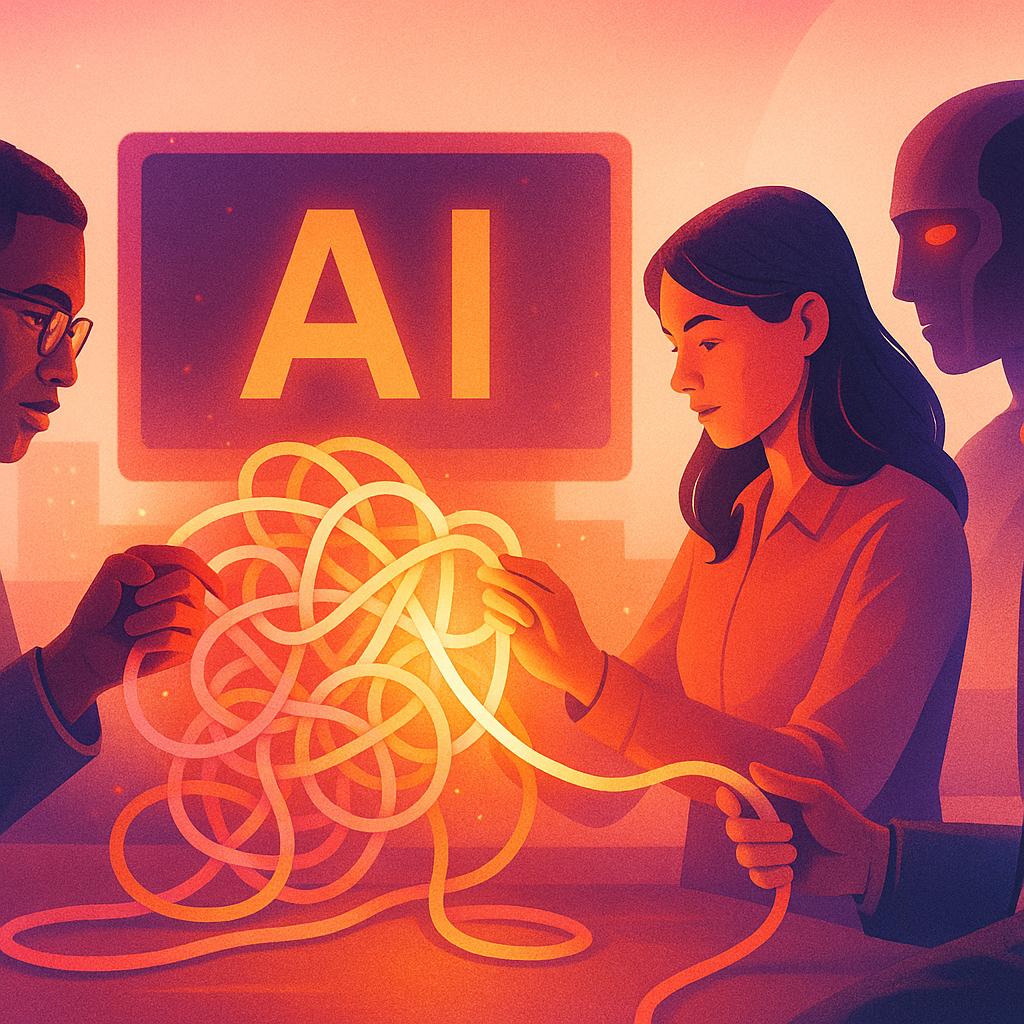



Behind the recent Microsoft layoffs lies a rapidly expanding push towards automation, spearheaded by the integration of artificial intelligence technology into the company’s operations. This shift is exemplified by Jeff Hulse, a Microsoft vice president, who directed his team of software engineers to utilize an AI chatbot to generate a substantial portion of the computer code they produce. This directive marks a significant leap from the current 20% to 30% of code AI contributes within the company.
As automation efforts intensify, Microsoft’s decision to lay off more than a dozen engineers from Hulse’s team, as part of a larger scale-down affecting 6,000 employees, underscores the transformative impact of AI on traditional job roles. Employees in engineering positions appear to be bearing a heavier brunt of these layoffs, reflecting the company’s strategic pivot towards increased automation.
For consumers and large brands alike, this development signifies a broader trend shaping the future of work and customer interactions. With Microsoft leveraging AI not only in internal processes but also in the development of a Help Agent designed to enhance customer support, the company is paving the way for a highly automated future. Moreover, Microsoft’s plan to commercialize this AI technology for broader customer use hints at a larger industry shift towards AI-integrated solutions.
The implications of Microsoft’s automation drive extend far beyond its internal restructuring. As consumers, we are witnessing a fundamental shift in the way technology is harnessed to streamline processes and enhance user experiences. For large brands, this signals the increasing importance of integrating AI and automation into their operations to remain competitive and relevant in a rapidly evolving digital landscape.
In a world where AI is increasingly becoming synonymous with innovation and efficiency, Microsoft’s bold automation efforts serve as a testament to the transformative power of technology in reshaping industries and consumer experiences. These developments not only reflect the ongoing evolution of the tech sector but also highlight the imperative for businesses to adapt and harness the potential of AI to drive growth and success in the digital age.