

In today’s fast-paced world where technology changes occur in the blink of an eye, staying on top of key trends has never been more critical. One such trend making waves across various industries is Artificial Intelligence (AI), a term that no longer only resides in the realm of sci-fi movies or complex tech discussions, but now nests comfortably in our daily vocabulary.
An intriguing story recently unfolded within the corporate corridor of the tech giant, Microsoft. The unveiling of massive layoffs sent ripples across the industry, highlighting the pressure tech companies are under to keep up with today’s cut-throat competition. However, behind the scenes of these corporate reshufflings is a trend that fuels our ongoing conversation on the future of AI. Center stage in this development is a boom in automation efforts.
This surge in automation, though greeted with enthusiasm for its potential in increasing efficiency, is also stirring anxieties among the workforce. With machines taking over routine tasks and also moving into roles traditionally held by humans, it’s not hard to see why employees are raising eyebrows and bristling with concerns.
Yet, through the lens of AI, this situation is not as bleak as it seems. The dial shift toward automation should not be viewed as merely a harbinger of unemployment but as an impetus for further innovation and exploration into the untapped potentials of AI.
Take, for instance, Anthropic, another key player springing up in the AI landscape. They’ve taken AI discussions to a more sophisticated level by developing a new kind of reasoning model. This innovative advance signals the exciting directions that AI is likely to venture into, providing food for thought on AI’s evolving role in the broader tech context.
Furthermore, the AI industry isn’t without its challenges. Take the example of Cohere, an enterprise AI company, which faced a difficult time reaching its revenue goals. While it’s easy to paint a
silver-lined optimistic picture of AI, it’s essential to acknowledge the struggles and failures that come with breaking new ground.
However, even within these struggles lie hidden industry insights, waiting to be unpacked. The AI difficulties faced by companies such as Cohere shed light on the complexities of marrying artificial intelligence with real-world business needs.
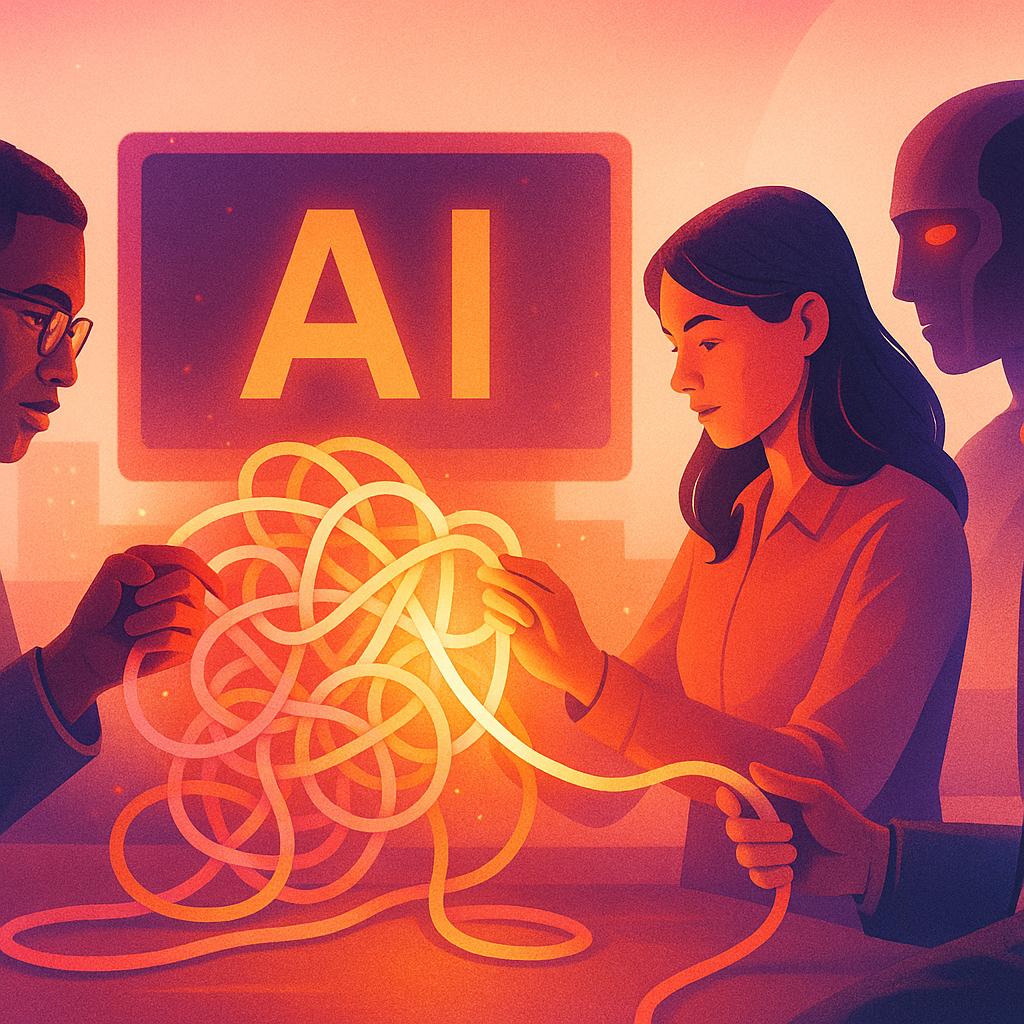
As AI continues its foray into various sectors, it’s crucial for businesses, employees, and consumers to stay informed and curious. From Microsoft’s layoffs and automation boom to the sophisticated reasoning models being developed and the revenue struggles faced by enterprise AI, these stories are more than isolated corporate maneuvers or technological advancements. They are pieces in a larger puzzle of decoding the future of AI.
Whether it’s fear, excitement, adversity, or innovation, these stories will continue to shape our understanding of AI’s relevance to mainstream consumer trends in specific industries. Line them all up, and we can begin to sketch a picture of what the future could hold. We may not have all the answers right now, but one thing’s for sure; the AI revolution is underway in earnest, and it’s a space watch closely.