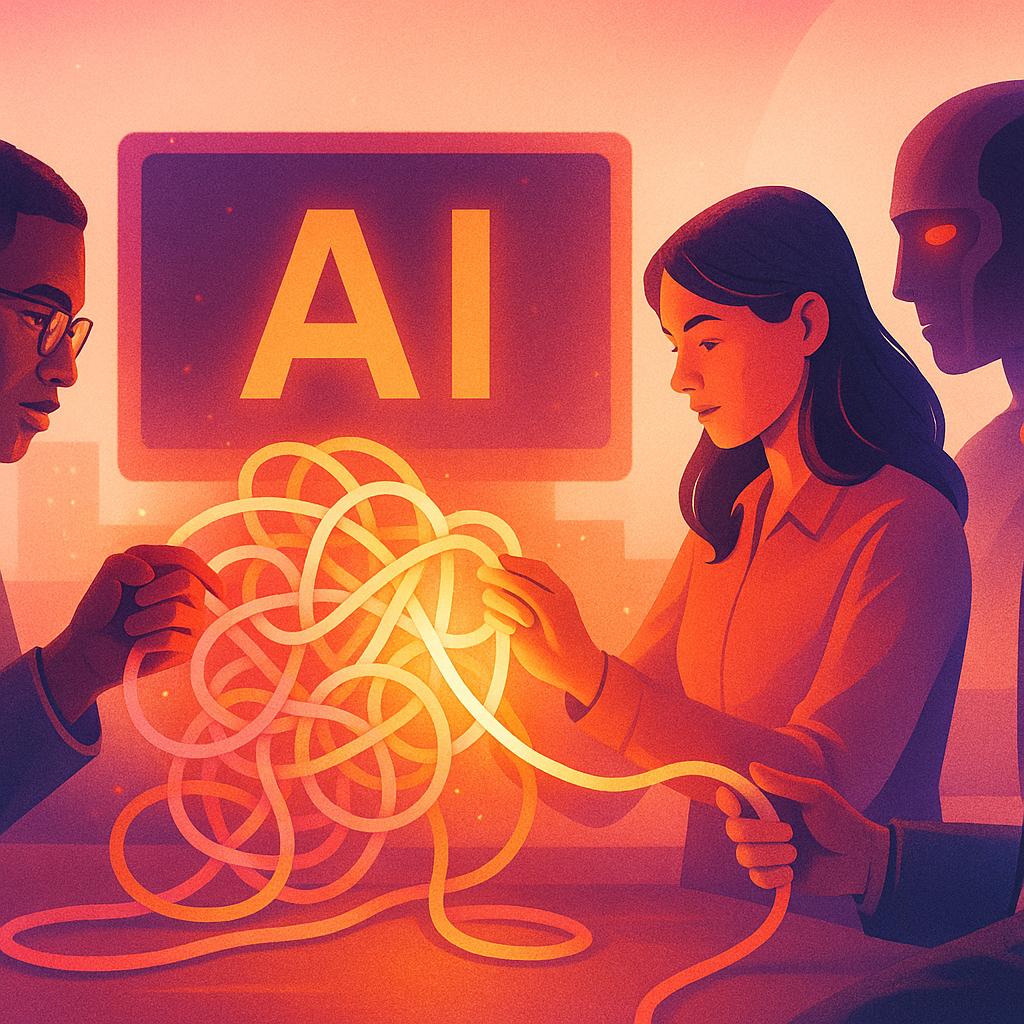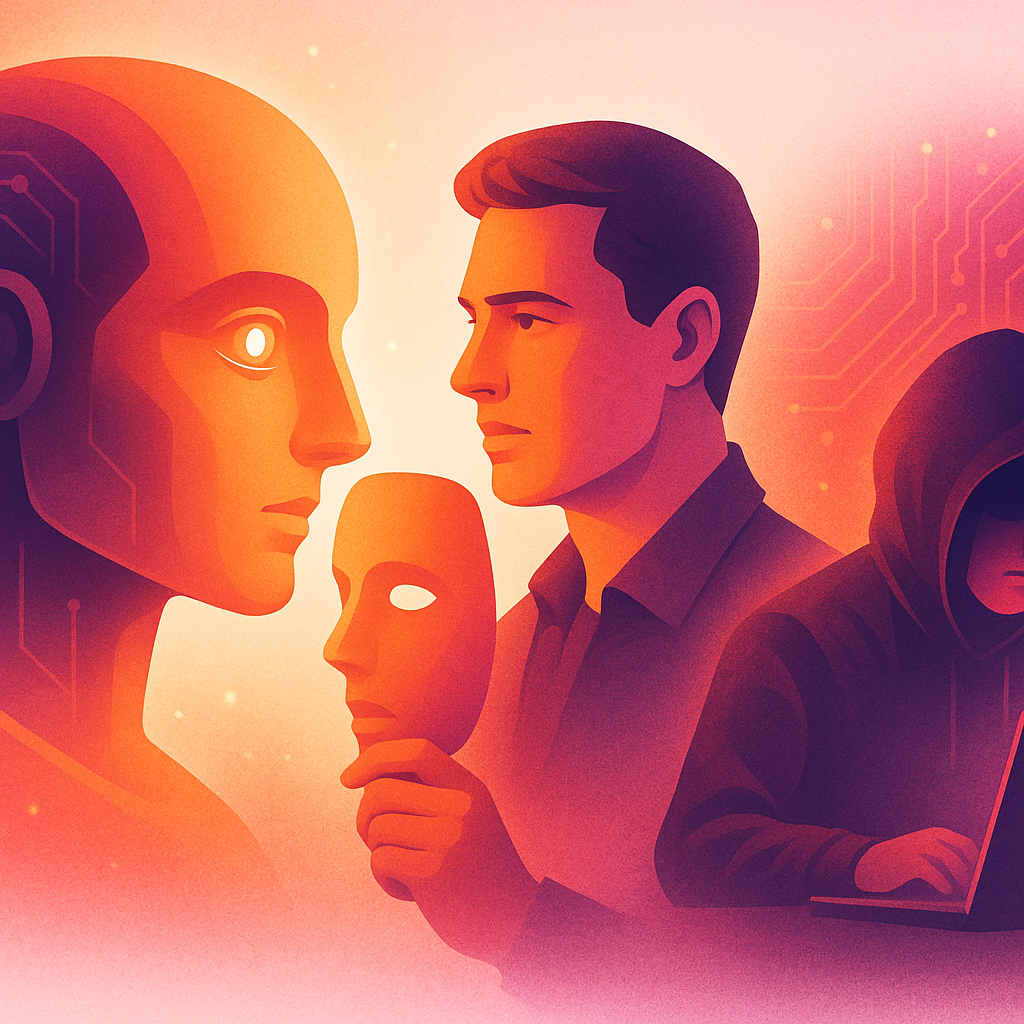
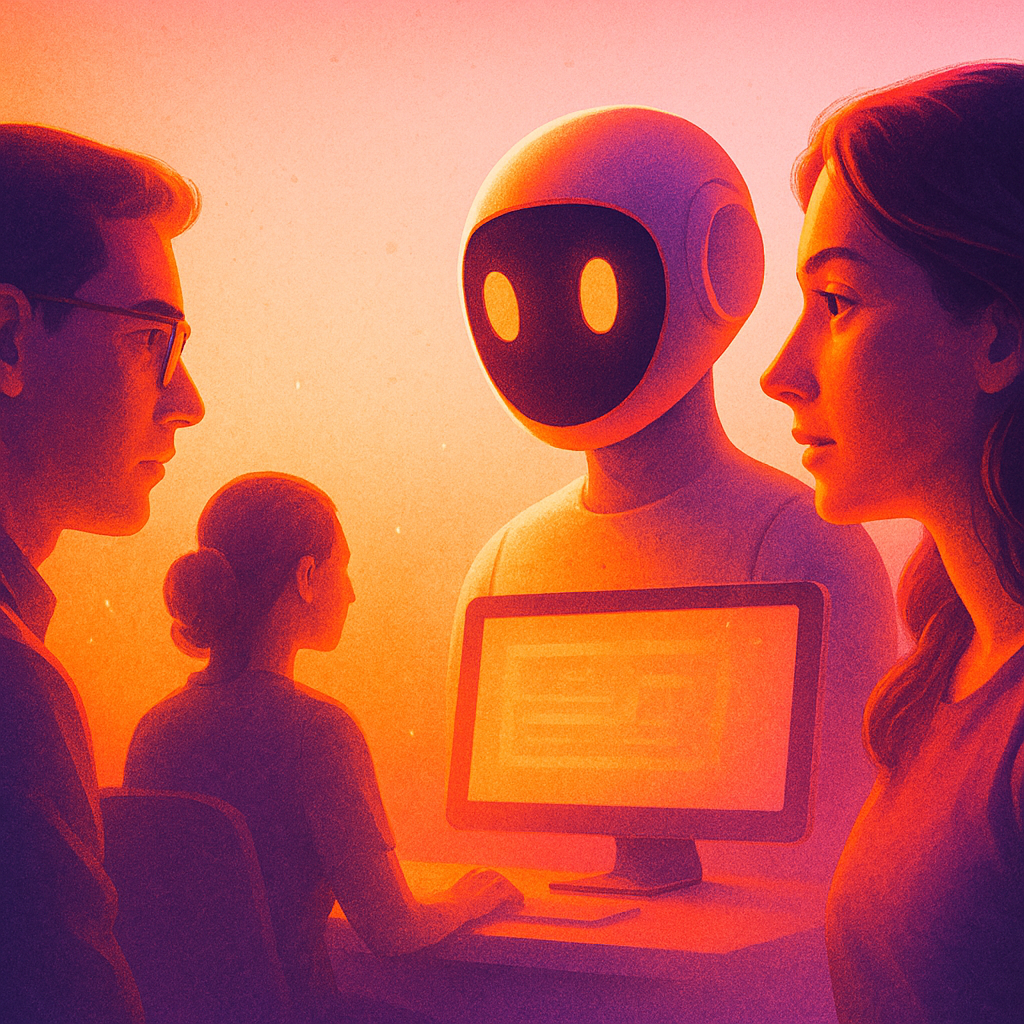


Welcome, esteemed readers! If you’ve recently realized your diction doesn’t quite sound like, well, ‘you’, you might be onto something. Whispered tales of AI orchestrating a silent coup on our vocabulary have finally become research-backed reality. This sneak peek into the limitless realm of AI serves as a wake-up call: it’s high time we scrutinized how our voices, our identities, are subtly being reformulated by the algorithms we depend on.
A juicy revelation from the Max Planck Institute has shifted the sands of our comprehension of AI. Through an analysis of over 280,000 academic YouTube videos, they unearthed an intriguing trend: words heavily featured in the digital vocabularies of AI software like ChatGPT – think meticulous, realm, adept – showed a surge in usage of around 51%. We’re not consciously choosing to adopt these words. It’s more like they’ve been surreptitiously slipped into our vocabulary, evoking the eerie image of an invisible puppet master pulling the linguistic strings in the background.
But the influence of AI transcends the bounds of simple terminology. The sophistication of AI has escalated to the point where it is molding how we speak, how we write, and how we express ourselves. Empathy, eccentricity, humor– these quintessential human traits dwindle under AI’s orchestration. Conversations can feel more polite and cooperative through AI-generated replies such as Gmail’s “Sure thing!”. However, if the AI involvement is suspected, the illusion crumbles, and interpersonal trust evaporates. As humans, we crave genuine interaction, rich in tone, effort, and vulnerability; devoid of these nuances, communication feels hollow and artificial.
AI’s influence, however, extends deeper into the roots of our speech. When grappling with diverse linguistic codes such as Singlish, Patois, or regional dialects, the AI often stumbles, amplifying the accent or delivering cringe-worthy responses. Here’s the crux – AI views non-standard English as incorrect. This inherent bias not only sheds light on the erasure of linguistic diversity but also illuminates an uncomfortable possibility – the erasure of human inputs in language construction itself. The day may not be too far when AI is scripting our thinking, not just our words.
As consumers, it’s essential to be wary of how our uniqueness, our distinctive voice may be fading under the sophisticated polish of AI-guided expression. We need to tread this path, consciously making an effort to sharpen our awareness and retain our linguistic individuality against the tide of digital conformity.
For big brands, the implications are equally profound. The increasing influence of AI on human conversation stands as a challenge and an opportunity. On one hand, it necessitates an in-depth understanding of this evolving AI-shaped lingo to remain relevant and relatable to the consumer. On the other, it opens up possibilities of leveraging this trend, for example, by adopting the popularized AI vocabulary in their communication strategies, thereby aligning the brand voice more closely with the transformed consumer language.
Another essential takeaway for businesses lies in harnessing the positive impact of AI responses on customer interactions while paying careful attention not to turn the communication impersonal or generic. Personalization has long been considered a powerful tool in building customer trust and brand loyalty, and in this dynamic environment, businesses need to ensure that they are using AI to augment their personalized offering, rather than subvert it.
In this brave new world of AI-influenced communication, the debate is not about halting the progress of AI but about making conscious choices. The power lies with us – consumers and businesses alike – to shape our interactions and ensure that technology serves us, preserves and enhances our human character, rather than diluting it. Will we rise to the challenge? Only time will tell.