

Welcome, automaters! Did you hear the news out of Wimbledon? You might be inclined to think, “Well, that’s nothing unusual. It’s a sport we all know and love.” But this time, we’re not talking about who aced the game or who missed the blockbuster shot. We’re talking about the AI that was put in charge of making judgment calls. Oh, the drama!
As many of you know, there’s been a growing argument that we should be letting Artificial Intelligence take more control over our lives, our work, our everything. One of the areas where AI has been making inroads is sports officiating. That’s right, AI is moving into the role of the referee, and Wimbledon, the world’s oldest and most prestigious tennis tournament, decided to test drive this idea. Were they successful? Not exactly. Wimbledon’s dream to use AI to umpire a live tennis match didn’t quite go as planned.
The problems were…well, numerous. Players raised several complaints. The AI was accused of missing out-calls and making inaccurate judgments. Ben Shelton had to speed through his game as the AI was on the verge of shutting down due to the low sunlight. Talk about relying on solar energy, eh?
There were even some players who couldn’t hear the AI making the calls. One player, who is deaf, highlighted the lack of visual hand signals, which was a setback for inclusivity. In one dramatic instance, a match had to be paused and restarted because of an AI glitch. The irony of it all? The issue that provoked the glitch was human error. I guess we just can’t escape our flawed selves, no matter how advanced technology becomes.
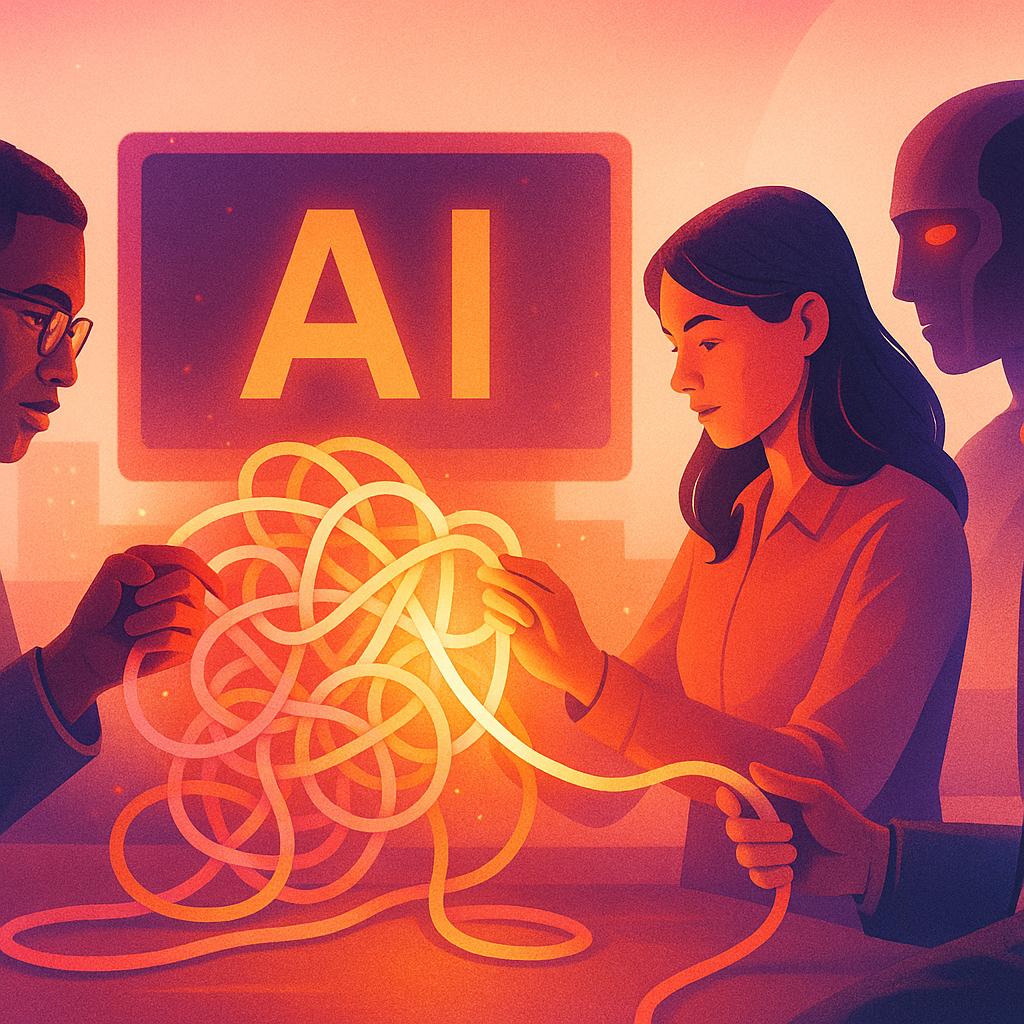
Now, let’s take a step back from the blame game. The real juice of the matter is that these glitches and errors showcase the importance of human touch in life, even in technology. AI systems, as much as they’re promoted, still lack some essential qualities of a
well-experienced human – intuition, judgement, on-the-fly
decision-making. And this goes beyond the tennis court, reaching wider into all aspects of our lives.
So, to our readers out there who are consumers of technology, this news matters. It’s not about being anti-AI or pushing against progress, but rather realizing the limits of our technological counterparts. We need to recognize that AI is a tool created by humans, and doesn’t always reflect or portray the type of intelligence or instinct humans bring to the table.
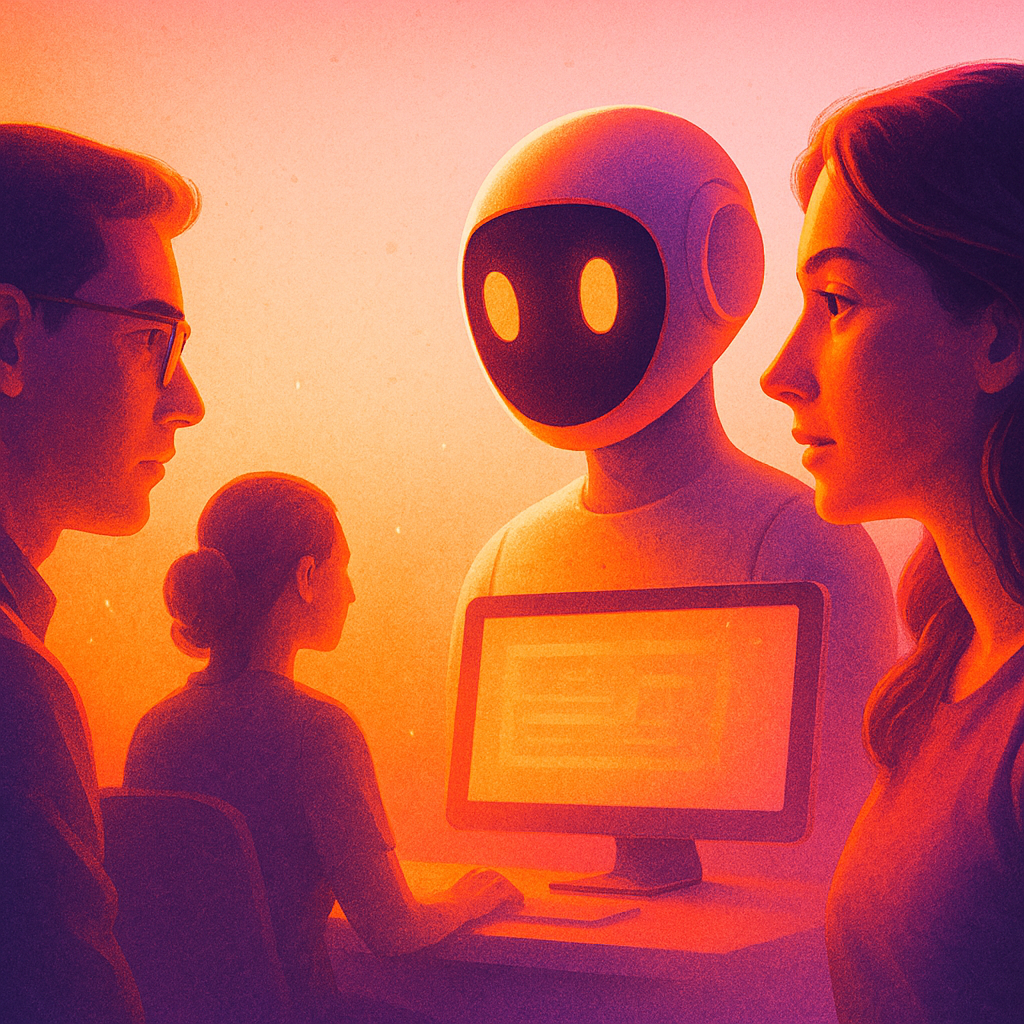
Large-scale brands should also pay heed. Adopting advanced technology is a worthy endeavor for sure. But during this rush, it is crucial to understand at what point human intervention is necessary and when to allow AI to take the reins. Brands that balance this well will be the real winners in the years to come.
Moreover, it’s not just a matter of managing AI. Brands, consumers, every individual – our collective responsibility is also to keep a check on how increasing AI-dependency may give rise to issues related to accessibility, inclusion, and making space for diverse needs. AI can be a great tool, but it’s clear from Wimbledon’s folly that maybe the future doesn’t need another Terminator. Maybe it just needs a lot more teamwork.
We live in an era where AI is no longer an emerging technology, but a part of our everyday lives. Overreliance on AI, as the Wimbledon saga shows, could be risky. AI systems are not the solution to every problem – well, at least, not yet. As we continue evolving, so should our symbiosis with these technologies. After all, it’s all part of the larger narrative of human progress, right?